Manufacturer & Exporters of:
Instrumentation Pipe Fittings & Valves

Flanges for Kuwait Refinery Projects Following KNPC Requirements

The flanges we supply are commonly used in crude and product pipelines, refinery processing units, offsite piping, storage and transfer systems, and utility services. These systems run continuously, so fit-up accuracy and sealing performance matter just as much as the material grade itself.

We regularly manufacture and supply flanges in carbon steel, alloy steel, stainless steel, and other grades suitable for refinery service. Weld neck, blind, slip-on, RTJ, and other configurations are selected based on design requirements and service conditions, not convenience. In refinery work, even small dimensional issues can cause delays during installation.

Documentation is something we take seriously, because refinery inspections are rarely quick. For KNPC projects, inspectors usually expect mill test certificates that are easy to follow, clear heat number traceability, and inspection records that actually match the flange delivered. Before dispatch, we go through the paperwork carefully to avoid questions later at site.
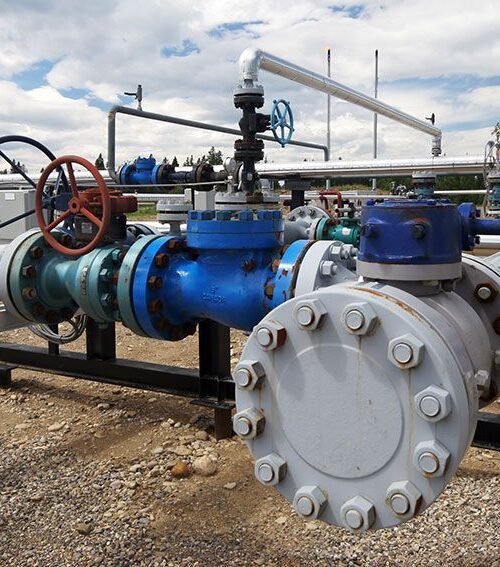
KNPC Approved Flanges UAE

How We Handle KNPC-Related Enquiries at the Start

When an enquiry comes in for work connected to Kuwait National Petroleum Company projects, we don’t jump straight to pricing or availability. The first thing we look at is where the flange will actually be used. A flange for a processing unit, for example, is treated very differently from one meant for a utility or transfer line.

At this stage, we usually review the project specification, drawings, and any notes related to inspection or testing. Getting these details clear early helps us avoid assumptions later and makes sure the flange we supply matches what the site and inspectors will expect.

Things We Usually Confirm Before Moving Forward

Before we go any further with a KNPC-related order, there are a few points we always like to clear up. From experience, these are the areas that cause confusion later if they’re skipped at the start.

  • Where exactly the flange will be installed (process line, utility, offsite, etc.)

  • The operating pressure and temperature, not just the pressure class on paper

  • Material grade and any specific heat treatment requirements

  • Facing type and surface finish expected at site

  • Inspection and testing scope required for that particular project

  • Documentation format preferred by the client or consultant

Let’s Talk Before You Finalise the Order

If you’re working on a refinery or oil sector project that follows KNPC requirements, it’s always better to talk through the details before placing the order. A short discussion at the beginning often prevents delays, rework, or inspection issues later on.

If you have drawings, specifications, or even partial project details, share them with us and we’ll review them from a practical point of view. Our team at Mcneil Alloys will help you confirm what’s required, what will work, and what needs attention before manufacturing or supply begins.

Get in touch with us  we’re happy to discuss your KNPC-related requirements and support your project from the UAE with the level of care refinery work demands.

Frequently Asked Questions – Project Coordination & Inspection

Do you need full drawings before requesting a quote? +
Not always. Even partial drawings or a clearly defined specification help us understand the scope and identify what will work. The more information shared upfront, the more accurate and reliable the quotation will be.
Can you work with tight shutdown timelines? +
Yes, but success depends on clarity. Tight shutdown timelines are achievable when inspection scope, documentation requirements, and approval expectations are clearly defined from the start.
Are stock flanges suitable for KNPC projects? +
Sometimes. Suitability depends on material condition, testing history, documentation, and what the specific KNPC project allows. Stock material must still fully comply with project requirements to be accepted.
What usually causes delays at site inspection? +
The most common cause of delay is missing, incomplete, or unclear documentation. Even when the product itself is acceptable, paperwork gaps can stop inspection progress.
When should we contact you during a project? +
As early as possible. Early discussion helps identify constraints, confirm feasibility, and avoid last-minute changes that can affect schedule, inspection, or approval.
Our Global Reach Connect Anytime And Anywhere