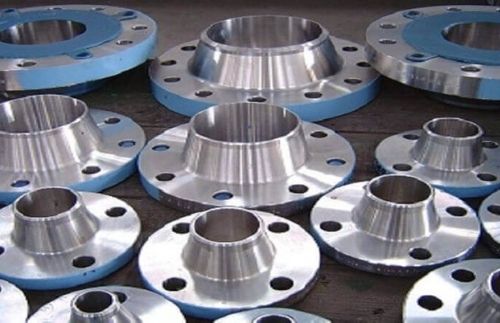
When we talk about flanges supplied for Qatar Gas–related projects, the first thing I usually explain is that LNG work is very different from general piping supply. At Mcneil Alloys, we handle enquiries for gas and LNG facilities that follow the technical requirements used by QatarGas, and those requirements tend to be detailed and non-negotiable.
From our side in the UAE, we manufacture, supply, and export flanges that are intended for use in gas processing units, LNG trains, utility systems, and supporting infrastructure. These environments run continuously, and once the system is live, access is limited. Because of that, flanges are expected to be right the first time, both in terms of material and fit-up.
When an enquiry comes in, we don’t look at it as just a size and pressure class. The first thing I want to understand is where the flange will actually be installed. A flange in a liquefaction unit behaves very differently from one used in a utility line or transfer system. That one detail usually decides the material grade, testing scope, and inspection level.