Manufacturer & Exporters of:
Instrumentation Pipe Fittings & Valves

SABIC Approved Flanges for Process Plants in UAE

When a project is specified under SABIC requirements, flange selection is mainly about material stability and long-term performance in chemical service. SABIC approved flanges are typically chosen to match defined pressure ratings, temperature limits, and corrosion conditions so the piping system can operate continuously without unexpected degradation.

From a practical point of view, these flanges also need to pass inspection smoothly. That means consistent dimensions, correct material certification, and clear traceability. When those basics are right, installation is easier, inspections move faster, and the system can be commissioned without avoidable delays.
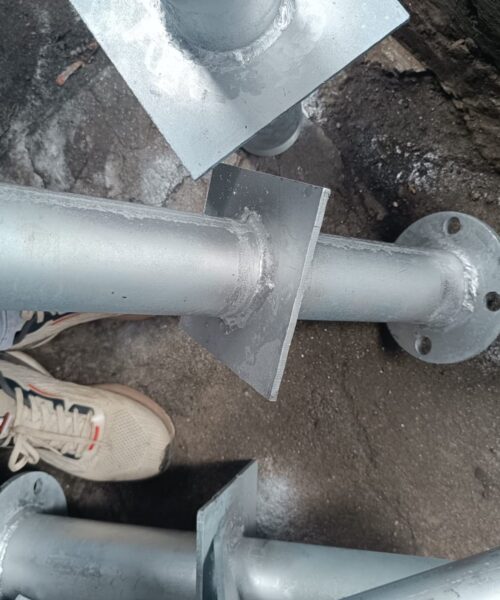
Sabic Approved Flanges In UAE

How SABIC Approval Affects Piping and Equipment Selection

  • Material choice becomes non-negotiable
    SABIC approval usually means the material grade is already defined based on chemical exposure, operating temperature, and service life. This limits substitutions and ensures the piping system behaves predictably over long-term operation.
  • Pressure ratings are selected for operating reality, not margin alone
    Flanges and piping are chosen to match actual operating and design pressures, helping avoid overdesign while still maintaining safety and compliance with SABIC project standards.
  • Dimensional consistency is critical for fit-up
    Approved components are expected to align correctly during installation. This reduces field modifications, gasket issues, and misalignment between connected equipment.
  • Inspection and documentation influence component selection
    Equipment and piping items must be supplied with clear material certificates, test records, and traceability. Components that cannot support this level of documentation are typically excluded early.
  • Compatibility with connected equipment is prioritized
    Flanges and piping must integrate smoothly with pumps, reactors, heat exchangers, and valves used in SABIC facilities, avoiding interface issues during assembly.
  • Long-term operability is part of the selection process
    SABIC approval focuses not only on installation but also on how the piping system will perform under continuous operation, maintenance cycles, and process variations.

Types of SABIC Approved Flanges We Supply

For projects that follow SABIC requirements, flange selection is usually tied to service conditions rather than convenience. At Mcneil Alloys, we supply the flange types most commonly specified in petrochemical and industrial plants, based on pressure, temperature, and operational demands.

  • Weld Neck Flanges
    Preferred in critical process lines where strength, fatigue resistance, and long-term reliability are important, especially under high pressure or thermal cycling.

  • Slip-On Flanges
    Commonly used in utility and secondary systems where installation speed and alignment flexibility are required without compromising basic performance.

  • Blind Flanges
    Applied for line termination, isolation during maintenance, and pressure testing points within process and utility piping.

  • RTJ (Ring Type Joint) Flanges
    Selected for high-pressure services where a metal-to-metal seal is necessary to maintain tightness under severe operating conditions.


Frequently Asked Questions – SABIC Approved Flanges

Why are SABIC approved flanges usually specified in projects? +
SABIC projects typically require tighter control over materials, pressure ratings, and inspection scope. Specifying SABIC approved flanges helps ensure these requirements are met from the start, reducing technical queries and avoiding issues during inspection and site acceptance.
Are SABIC approved flanges different from regular flanges? +
In most cases, yes. Even when dimensions appear similar, SABIC approved flanges usually follow specific material grades, defined testing requirements, and additional dimensional checks that standard stock flanges may not satisfy.
What documents are normally required with SABIC approved flanges? +
Typically required documents include material test certificates, inspection reports, dimensional records, and clear material traceability. These documents support technical review and help ensure acceptance before fabrication and installation at site.
Our Global Reach Connect Anytime And Anywhere