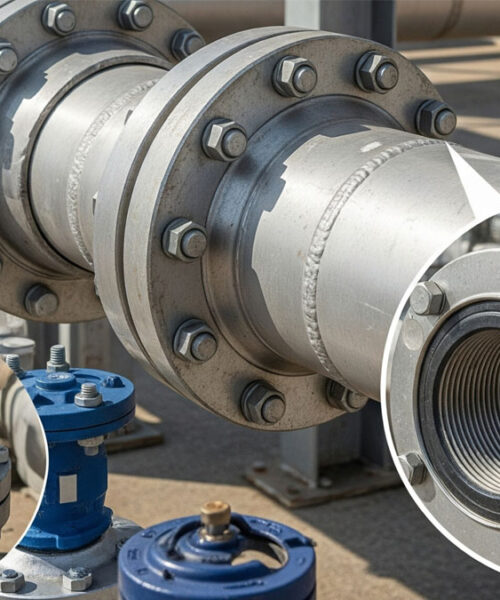
What People Usually Mean by ExxonMobil Flanges
When someone asks for ExxonMobil flanges, they’re usually not talking about a special product with a label on it. What they really mean are flanges that are suitable for use on projects where ExxonMobil specifications, engineering practices, or inspection standards are being followed.
These projects are typically part of large oil and gas developments — refineries, petrochemical units, pipelines, or offshore facilities — where components are checked very closely before installation. In this kind of work, a flange is treated as a critical part of the system, not a simple connector.
When These Flanges Are Required
Flanges like these are needed when a project is operating under strict engineering control. That usually happens when:
-
the line is carrying high-pressure oil, gas, or process fluids
-
operating temperatures are high or fluctuate constantly
-
the system is expected to run continuously with limited shutdowns
-
inspections are detailed and documentation is reviewed line by line
How This Changes the Way Flanges Are Supplied
From our side at Mcneil Alloys, supplying flanges for ExxonMobil-type projects means slowing down at the beginning. The first step is always to understand where the flange will be used and what conditions it will see in service.
Once that’s clear, decisions around material grade, heat treatment, testing, and machining tolerances become much more straightforward. The goal is not just to meet a standard on paper, but to make sure the flange will pass inspection and perform reliably once installed.
Why Documentation Matters So Much
On projects like this, paperwork is often reviewed before the flange itself. Inspectors look for clear traceability, matching heat numbers, and test reports that actually relate to the item being installed.
In our experience, most delays happen when documentation is unclear or incomplete, not because the flange is poorly made. That’s why we pay close attention to certificates and inspection records before anything leaves our facility.
Why Clients Bring Us in Early
On projects that follow ExxonMobil requirements, most clients are trying to avoid one thing: surprises at site. Experience has taught them that fixing an issue after delivery almost always costs more than getting it right at the beginning.
-
clear, direct technical communication
-
fewer questions raised during inspection
-
flanges that fit properly the first time
-
documentation that inspectors can review without follow-up