KOC Approved Flanges
Seamless KOC Approved Flanges wholesaler and distributor in UAE


Mcneil Alloys is a leading manufacturer nd supplier of industrial flanges and piping components for oil & gas, petrochemical, power, and EPC-driven projects. We focuses on approval-based supply, controlled manufacturing, and project-specific documentation, supporting clients that require compliance with defined technical standards, inspection procedures, and traceability requirements across domestic and export projects.

Seamless KOC Approved Flanges wholesaler and distributor in UAE

Trusted supplier and wholesaler of Saudi Aramco approved flanges in the UAE

Leading UAE distributor for ADNOC approved seamless flanges
Seamless PDO approved flanges supplied and distributed throughout the UAE
Exporter and stockist of Takreer approved seamless flanges in UAE
Reliable supplier and wholesaler of Bahrain Gas approved flanges
Seamless flange manufacturer for Dolphin approved applications
Distributor and exporter of Shell approved flanges across the UAE
Approved supplier of Qatar Petroleum seamless flanges for UAE projects
Wholesale supplier of GASCO approved seamless flanges in UAE
Wholesaler supplying Saudi Electricity Company approved flanges
In industrial and energy projects, flanges are not accepted simply because they meet a standard size or pressure rating. They are approved only after the manufacturer and the product itself have been reviewed against specific project and end-user requirements. Approved flanges are those supplied by manufacturers who meet the technical criteria, quality controls, and documentation practices defined by oil companies, gas operators, EPC contractors, or industrial utilities.
Approval typically covers more than just the flange design. It includes verification of raw material sources, manufacturing controls, inspection procedures, and traceability systems. This ensures that the flanges used on a project are consistent, auditable, and suitable for long-term service under defined operating conditions. Because of these requirements, approved flanges are most often specified for critical applications in oil & gas facilities, refineries, offshore installations, petrochemical plants, and power generation projects.
In large industrial projects, even a small material issue can stop the entire job. Using non-approved flanges often leads to problems such as rejected materials, repeated inspections, and delays during installation. Project teams cannot afford uncertainty when pipelines are part of safety-critical systems.
Approved flanges are used to avoid these risks. They give engineers and procurement teams confidence that the material quality is consistent, the manufacturer follows defined processes, and inspection requirements will be accepted without repeated questions. Because approvals are already in place, EPC contractors spend less time on technical clarifications and site inspections, helping projects move forward without unnecessary delays.
Choosing the right flange is not just about what is available in a catalogue. In industrial piping systems, flange selection depends on process conditions, project specifications, and applicable standards. Each factor must be checked carefully to ensure safety, compliance, and long-term performance.
The first step is to know the design pressure and design temperature of the piping system. These values are usually defined in the piping class or line list. They help decide:
The correct pressure class of the flange
The suitable material grade
Compatibility with pipe thickness and bolting
Flanges must follow the codes and standards specified in the project. Common standards include ASME B16.5, ASME B16.47, and ASTM material specifications. Some projects also have their own technical datasheets issued by the end user or EPC contractor, which must be followed during selection.
Many oil & gas and energy projects allow flanges only from approved manufacturers listed on the Approved Vendor List (AVL). Approval usually covers:
Manufacturing capability
Quality systems
Inspection and testing procedures
Documentation control
Material selection depends on:
Operating temperature range
Corrosion conditions
Type of process fluid
The flange type is chosen based on pressure level, mechanical load, and installation method.
Weld neck flanges are preferred for high-pressure and critical services
Slip-on, socket weld, or threaded flanges are often used for lower-pressure systems, where allowed by the piping specification
The correct flange type helps ensure joint strength and reliable operation.
Flange facing, bolt material, and gasket type must match:
Flange material
Pressure and temperature conditions
Piping class requirements
These elements are important to achieve a tight, leak-free joint during operation.
For project supply, flanges often require specific inspection and documentation, such as:
Mill Test Certificates (EN 10204 3.1 or 3.2)
Dimensional inspection
PMI testing
Mechanical testing
Third-party inspection, if required
Large industrial projects operate under strict technical and commercial risk controls. Generic piping components introduce uncertainty in areas such as material consistency, inspection quality, and long-term performance. Approval-based sourcing is used to eliminate that uncertainty before construction begins.
Approved flanges help project teams maintain control over material quality, ensure compliance with project specifications, and confirm that manufacturing and inspection practices meet defined standards. For EPC contractors and procurement teams, working with approved manufacturers also reduces delays during technical reviews and inspections, as compliance has already been established within the project framework.
Our flanges are manufactured with a focus on material integrity, dimensional compliance, and controlled production, making them suitable for demanding oil & gas, petrochemical, power, and EPC project requirements.
Verified material grades
Flanges are manufactured using specified grades such as carbon steel, low-temperature carbon steel, alloy steel, and stainless steel, selected in accordance with project design conditions and applicable standards.
Compliance with international standards
Manufacturing and dimensions conform to recognized standards including ASME B16.5 / B16.47 and applicable ASTM material specifications, along with project-specific technical datasheets where required.
Controlled chemical and mechanical properties
Raw materials are verified to meet defined chemical composition and mechanical strength requirements, ensuring suitability for pressure, temperature, and service conditions.
Inspection and quality verification
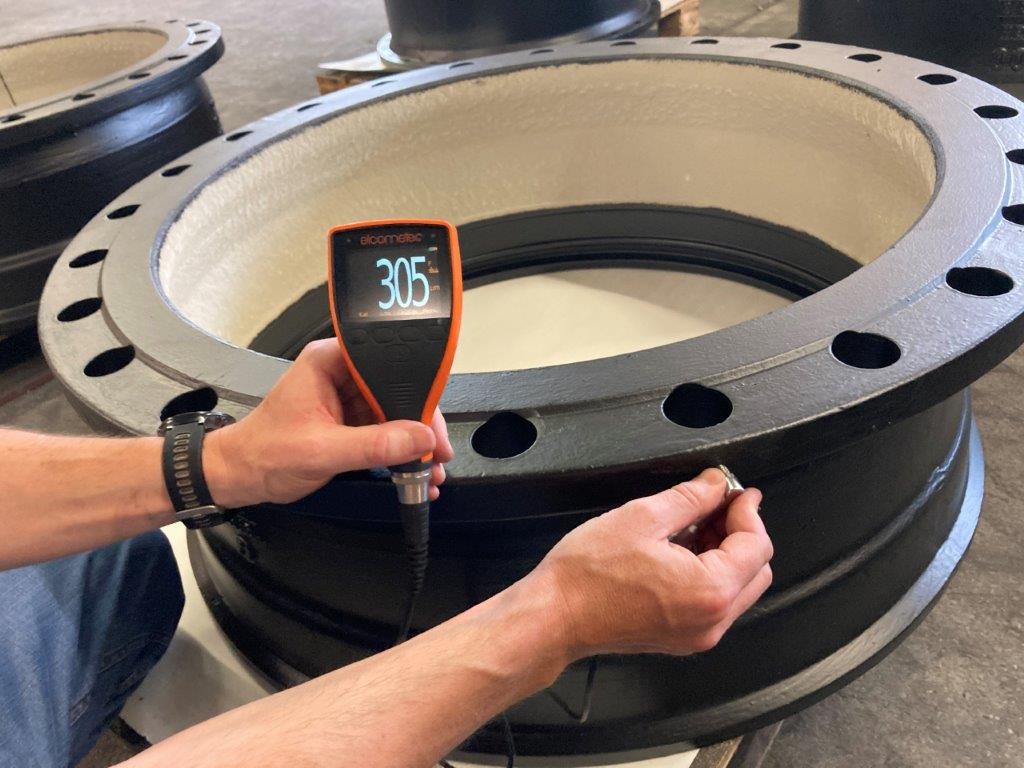
Flanges are supported with inspection and testing such as dimensional checks, PMI, mechanical testing, and third-party inspection, as required by project or approval criteria.
Traceability and documentation
Full traceability is maintained from raw material to finished flange, supported by mill test certificates (EN 10204 3.1 / 3.2) and project documentation packages.
Experience with approval-based specifications
Our team is familiar with end-user and EPC approval requirements, ensuring alignment with approved vendor lists (AVL), inspection procedures, and audit expectations.
For projects that require flanges manufactured to defined material grades, standards, and inspection requirements, Mcneil Alloys supports engineering and procurement teams with technically compliant flange supply from the UAE.