KOC Approved Pipes
Manufacturer supplying KOC-approved pipes for GCC oil and gas infrastructure projects.

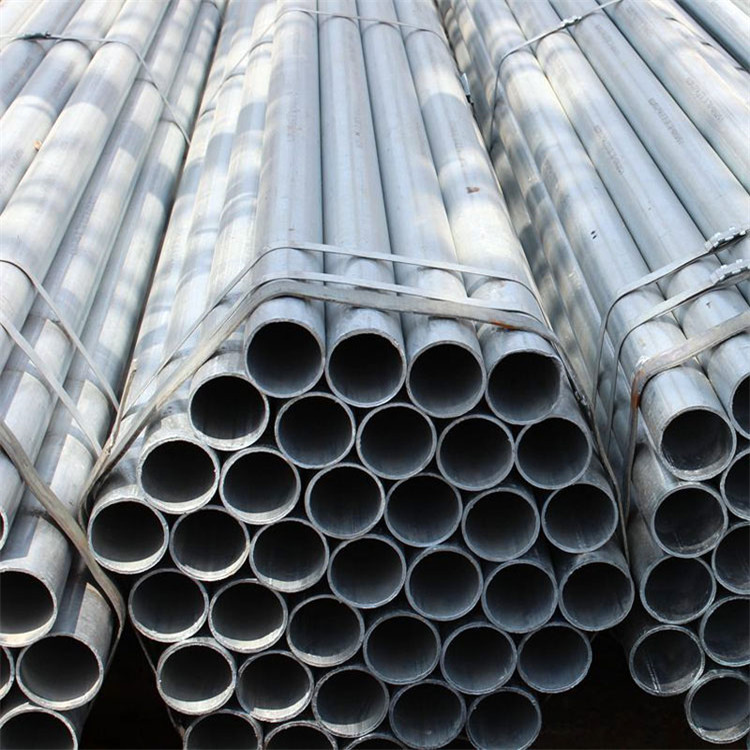
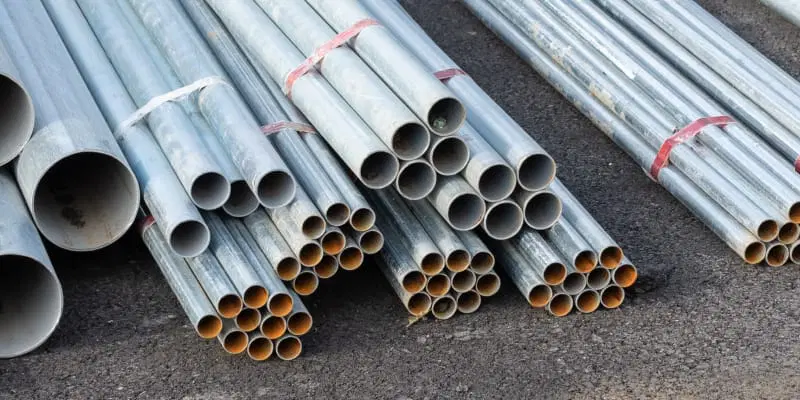
In real project conditions, pipes are rarely chosen only by diameter, thickness, or grade. They are evaluated on chemical composition control, mechanical performance, manufacturing process, and documented compliance. We supply pipes produced from certified heats, meeting applicable ASTM, ASME, API, and project-specific standards, suitable for high-pressure lines, elevated temperature service, corrosive environments, and sour gas applications. Every material is selected with its service condition in mind, not just availability.
We work closely with EPC contractors, consultants, refinery operators, power plants, and fabrication yards across the UAE and the wider Middle East. One of the biggest issues we see on projects is material getting delayed or rejected because approval requirements were not addressed early. Missing test reports, incomplete traceability, or non-aligned specifications can stop progress even when the material itself is good. These issues cost time, money, and create pressure across procurement and construction teams.
At Mcneil Alloys, approved pipes are supplied with complete documentation, traceable heat numbers, mechanical and chemical test results, and inspection support as required by the end user. We review project specifications before offering material and align our supply with the approval process from the beginning. Our objective is simple: when the pipes reach your site, they are already technically acceptable, inspection-ready, and aligned with your project approval requirements.
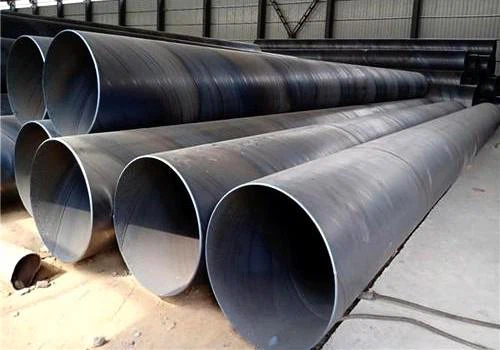
Manufacturer supplying KOC-approved pipes for GCC oil and gas infrastructure projects.
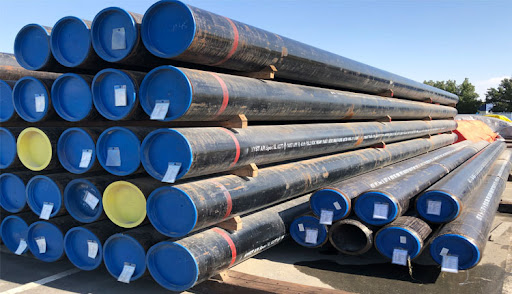
Gulf supplier of Saudi Aramco-approved pipes for large-scale energy developments.
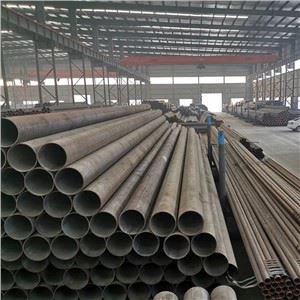
UAE-based distributor of ADNOC-approved pipes for onshore and offshore applications.
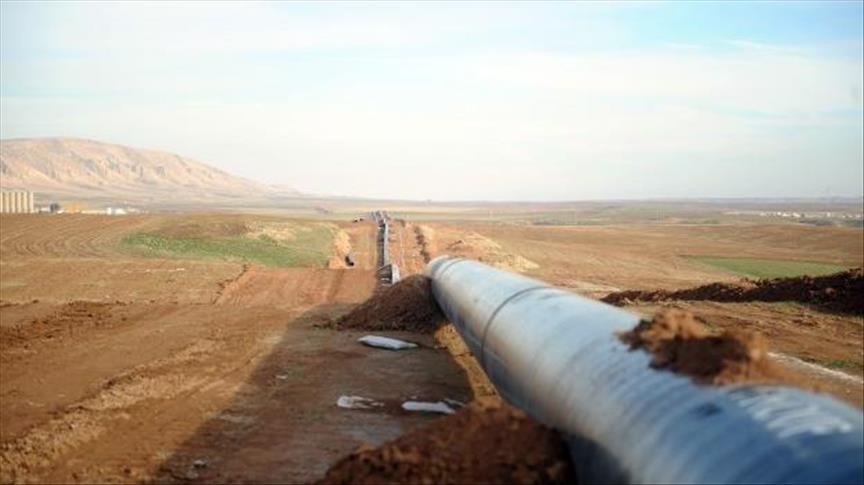
Exporter supporting PDO-approved pipe supply across Oman and the wider GCC.
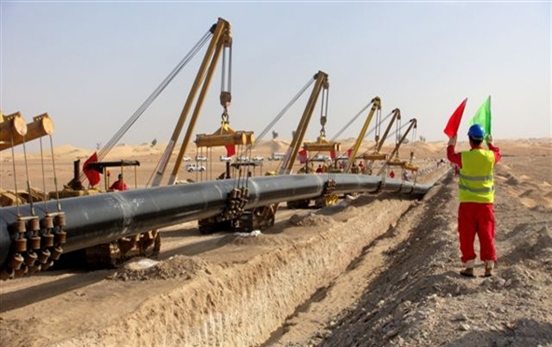
Supplier of Takreer-approved pipes for UAE refinery and processing facilities.
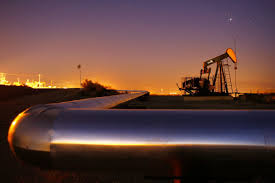
Manufacturer supplying approved pipes for Bahrain Gas and Gulf energy networks.
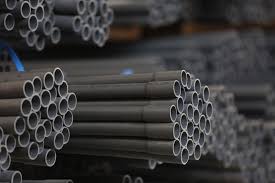
Distributor of Dolphin Energy-approved pipes for cross-GCC gas transmission systems.
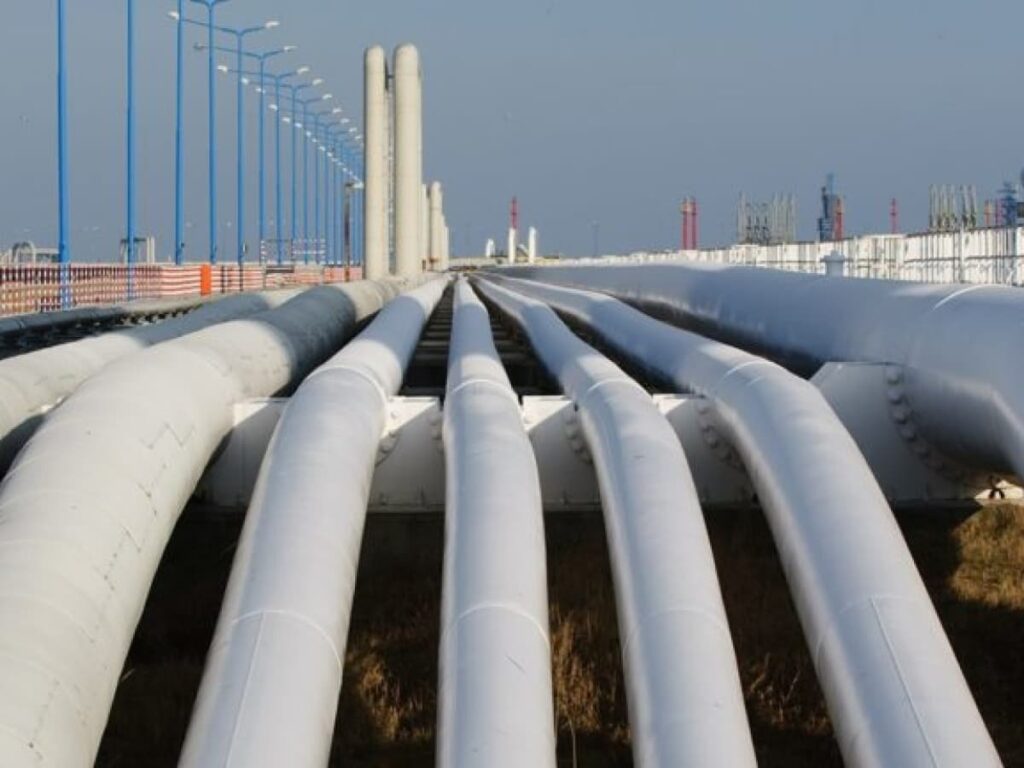
Gulf supplier of Shell-approved pipes for regional oil and gas projects.
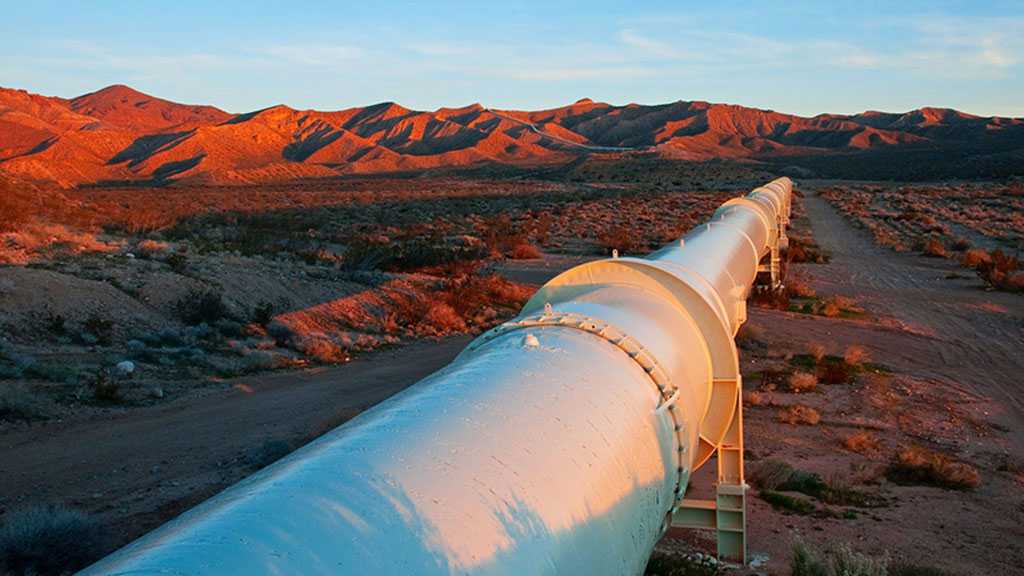
Exporter of approved pipes supporting Qatar and GCC upstream developments.
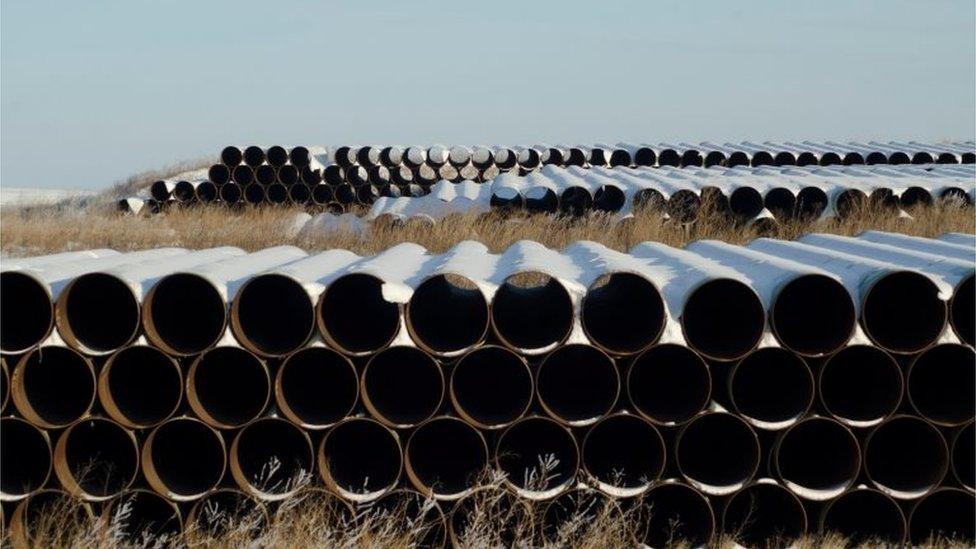
Manufacturer of ExxonMobil-approved pipes for UAE and Gulf energy projects.
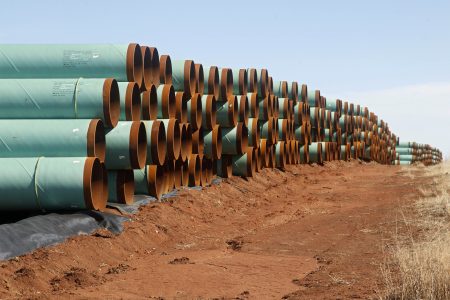
Supplier supporting TotalEnergies-approved pipe requirements across the GCC region.
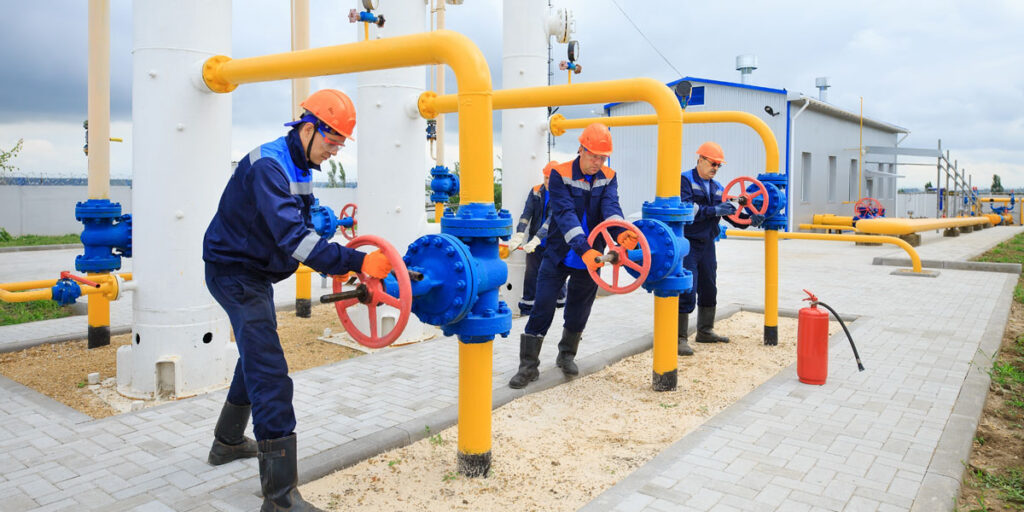
UAE distributor of GASCO-approved pipes for gas processing infrastructure.
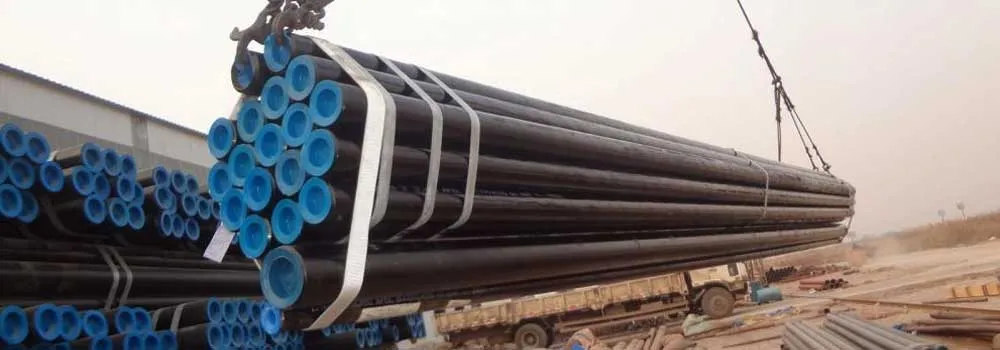
Exporter supplying Chevron-approved pipes to Gulf oil and gas projects.
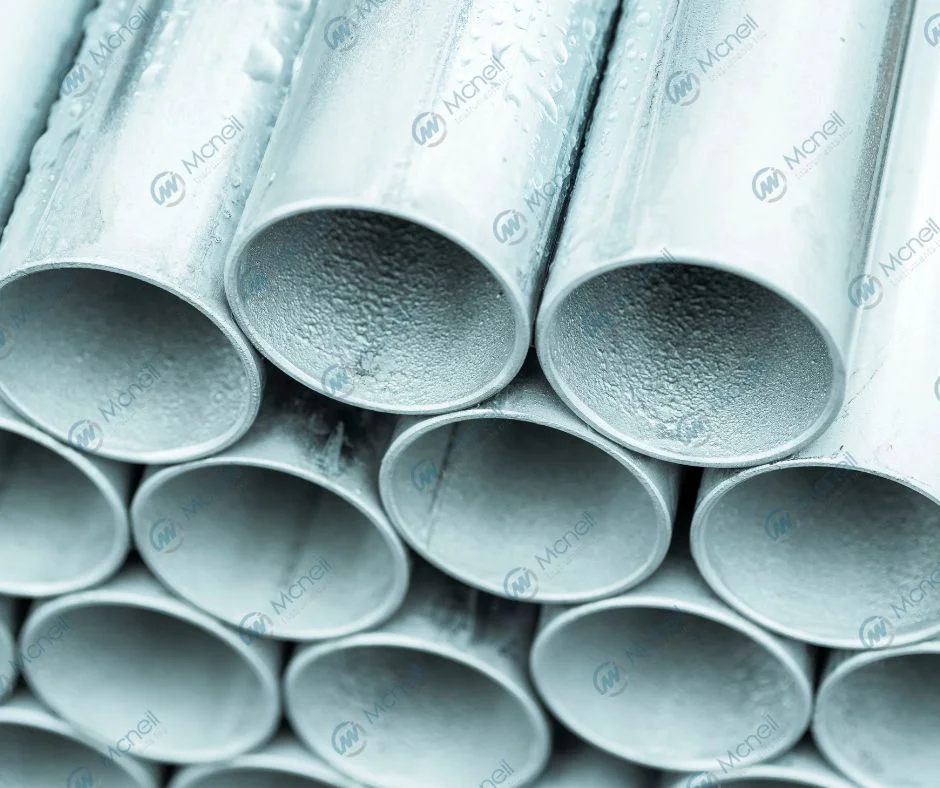
Supplier of Oxy-approved pipes for demanding GCC oilfield operating conditions.
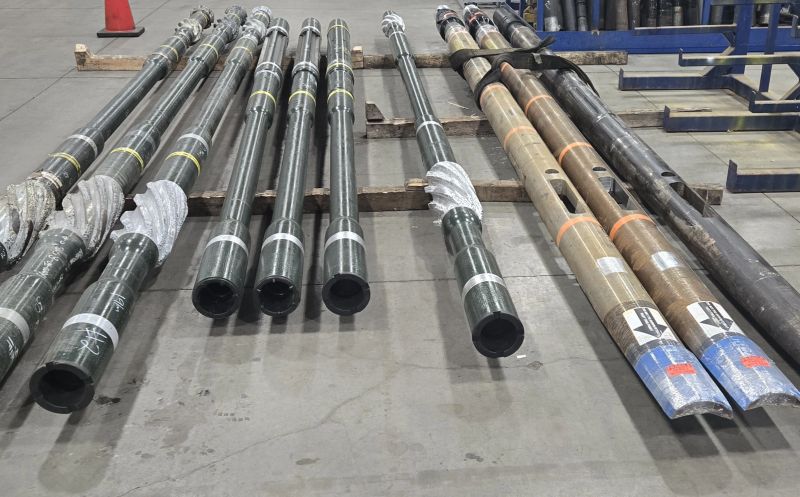
Manufacturer supplying Baker Hughes-approved pipes for Gulf energy applications.
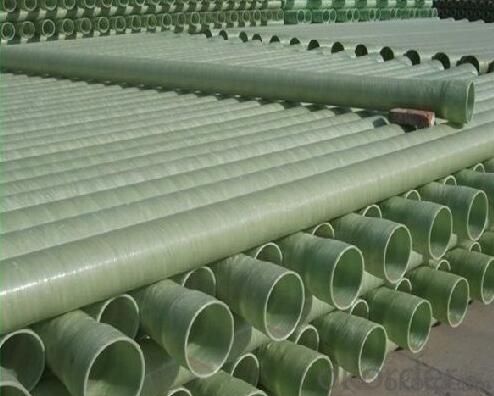
Exporter supporting ONGC-approved pipe supply from UAE to regional projects.
Supplier of EIL-approved pipes for EPC projects across the GCC.
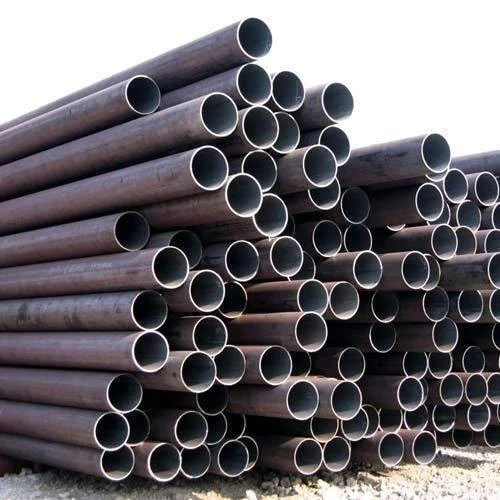
Distributor of IOCL-approved pipes supplied through UAE for regional projects.
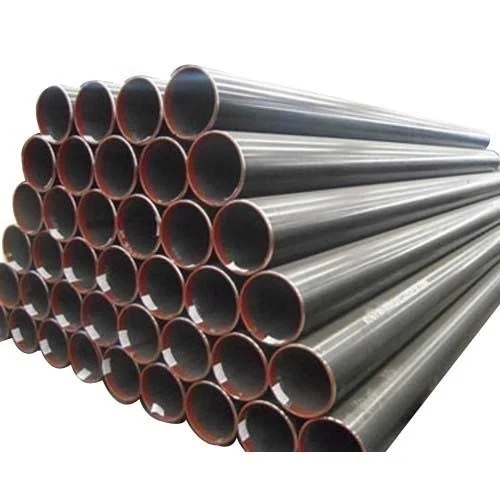
Manufacturer of HPCL-approved pipes supplied to Gulf refinery developments.
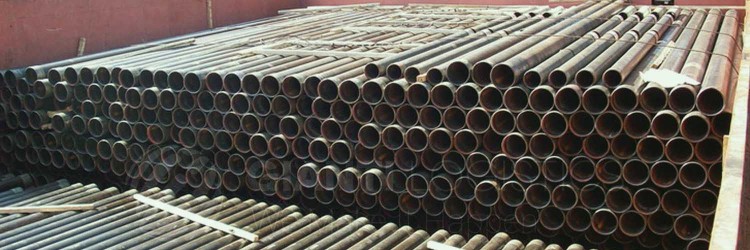
Supplier of Petronas-approved pipes for UAE and GCC oil and gas projects.
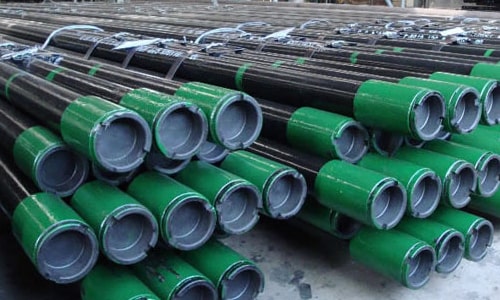
Exporter supporting Technip-approved pipe supply across the Gulf region.
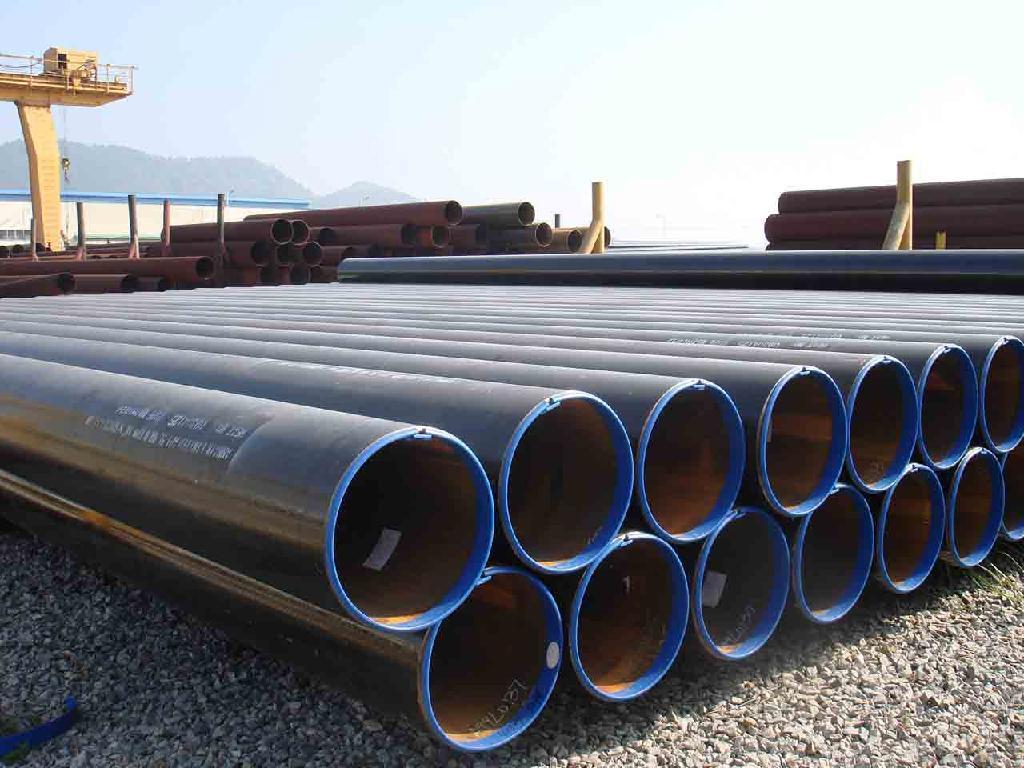
Manufacturer supplying NOV-approved pipes for GCC energy equipment projects.
Supplier of OMV-approved pipes for UAE and wider Gulf industrial operations.
Distributor of SABIC-approved pipes for petrochemical facilities across the GCC.
Supplier of approved pipes for Petro Rabigh projects serving Gulf markets.
Manufacturer supplying SEC-approved pipes for GCC power infrastructure.
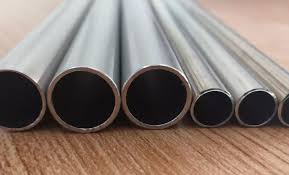
Exporter of KNPC-approved pipes supporting Kuwait and GCC refinery projects.
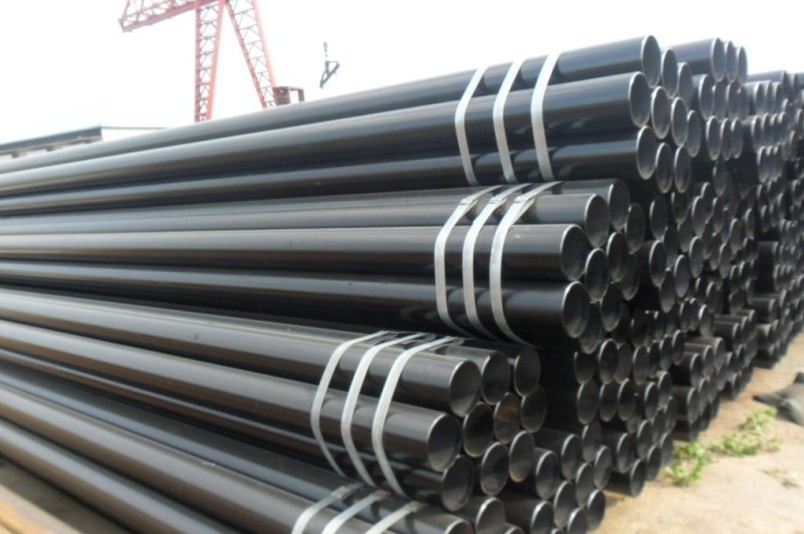
Supplier of Lamprell-approved pipes for UAE fabrication and offshore yards.
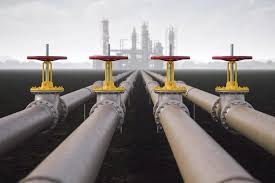
Distributor of QatarGas-approved pipes for LNG facilities across the Gulf.
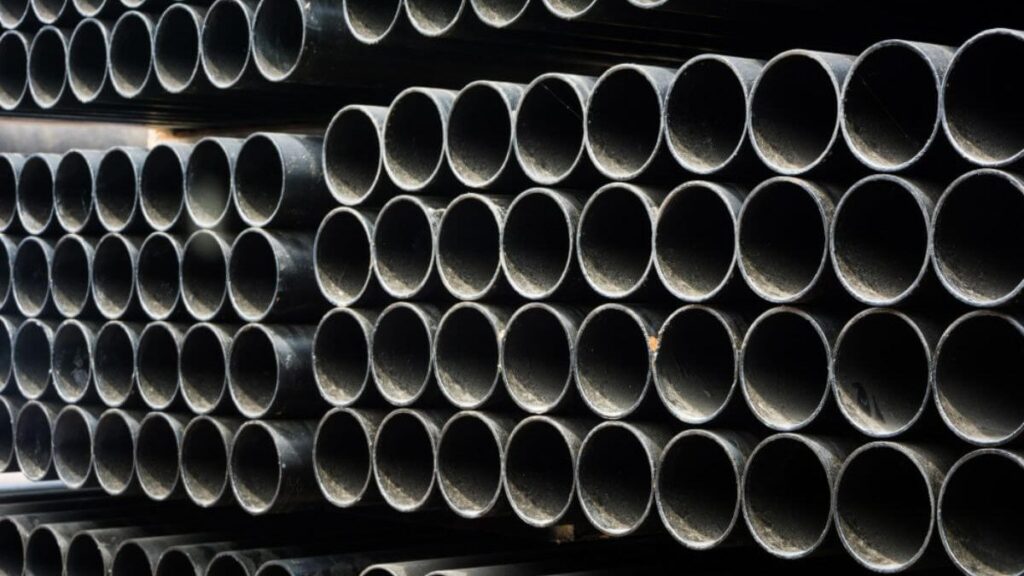
Manufacturer supplying GPIC-approved pipes for Bahrain and GCC petrochemical plants.
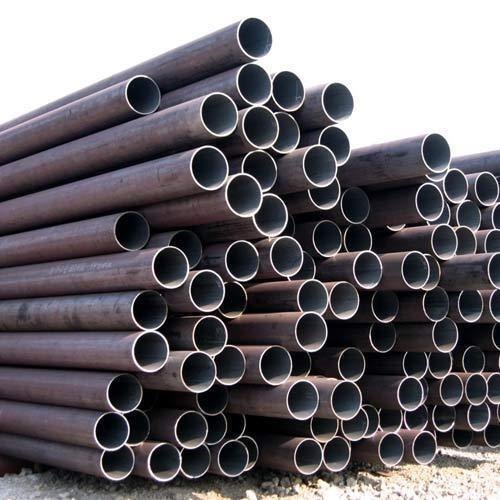
Supplier of BP-approved pipes for UAE and Gulf oil and gas developments.
In most oil, gas, and industrial projects, pipes are not accepted just because they meet a standard or are available quickly. Approval is a separate process. It starts with the manufacturer, but it ends only when the pipe, documents, and inspection results are accepted by the end user or consultant.
At Mcneil Alloys, we deal with this process every day. As a UAE-based pipe supplier, we handle approved pipe requirements for operators such as ADNOC, Saudi Aramco, KOC, PDO, and other regional end users. Each of these approvals comes with its own technical expectations, document formats, and inspection practices. Our job is to align the supply with those expectations before the material ever reaches your site.
From our experience, the biggest concern on piping packages is not price or lead time — it is risk. One rejected pipe can stop fabrication, delay hydrotesting, or hold up an entire system.
Non-approved pipes often create issues like:
Documents not matching project formats
Chemical or mechanical values outside allowed ranges
Missing traceability between pipe and certificate
Inspection rejection at site
Approved pipes reduce these risks. When a pipe is sourced from an approved manufacturer, project teams know the production process, testing methods, and quality controls are already accepted. This saves time during technical review and avoids repeated inspection questions.
We do not treat approved pipe supply as a stock sale. Before we offer material, we review the actual project requirement.
We typically check:
Service pressure and operating temperature
Line fluid and corrosion conditions
Project piping class or line list
Applicable standards and end-user specifications
Approval or AVL requirements
At Mcneil Alloys, our role is simple: make sure the pipes you receive are technically acceptable, approval-ready, and usable without delay.
Choosing pipes that will not be rejected starts with understanding how the pipe will actually perform in service. Design pressure and operating temperature define wall thickness, material grade, and manufacturing type. Service conditions then guide the selection between carbon steel, low-temperature carbon steel, alloy steel, or stainless steel. For high-pressure or critical lines, seamless pipes are generally expected, while welded pipes may be acceptable for less demanding services where project specifications allow.
These selections must always align with the standards defined in the project documents, such as ASTM, ASME, API, or specific end-user technical datasheets. When material, manufacturing, and standards are aligned from the beginning, approvals move faster and site issues are avoided. If you need support in selecting approval-ready pipes for your project, contact Mcneil Alloys to discuss your technical and approval requirements.
To review approved pipe options for your project, contact Mcneil Alloys and share your technical details.