Manufacturer & Exporters of:
Instrumentation Pipe Fittings & Valves

Carbon Grade P5, P9, P11, P22 & P91 Pipes Wholesaler & Supplier in UAE

When people talk about Carbon Grade P-series pipes, they often group them together. In reality, each grade behaves very differently once it’s installed and operating. At Mcneil Alloys, we treat these grades based on how they perform in the field  not just how they look on a specification sheet.

From our operations in the UAE and gulf, we supply Carbon Grade P5, P9, P11, P22, and P91 pipes for power plants, refineries, steam systems, and high-temperature industrial piping. Some clients approach us with a fixed grade already approved. Others are still trying to understand whether P11 is enough, or if their service conditions really justify moving up to P22 or P91. We support both situations by focusing on operating data, not assumptions.
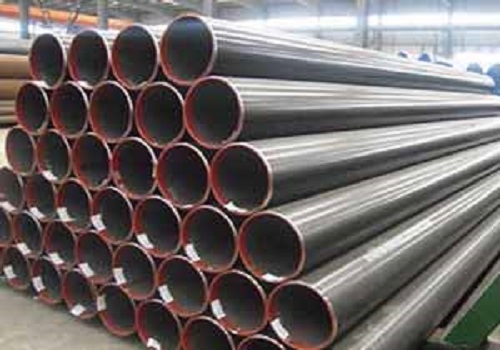
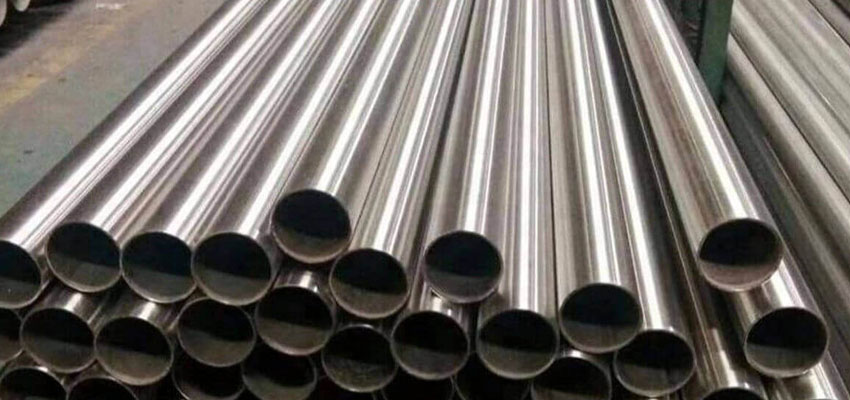
What Carbon Grade P-Series Pipes Mean to Us at Mcneil Alloys

When we talk about Carbon Grade P-series pipes at Mcneil Alloys, we’re usually referring to materials selected for systems that run hot, stay pressurised, and are expected to operate without trouble for years. These are not pipes chosen casually — they’re specified when operating conditions leave very little room for error.

From our experience supplying projects in the UAE, these grades are mainly used where regular carbon steel has already shown its limits.

We handle P-series pipes because they:

  • Keep their shape and strength when exposed to heat for long periods

  • Perform consistently in steam and high-pressure environments

  • Are widely accepted across power and refinery specifications

What Does mean by P5, P9, P11, P22 & P91 Grades ?

When you ask us about P-grades, we don’t explain them from a textbook — we explain them based on how they behave once installed.

  • P5 and P9 are grades we usually see in systems that run hot but don’t face constant pressure changes

  • P11 is what we recommend when steam pressure becomes a regular operating factor

  • P22 is supplied when both temperature and stress levels are high and service life is critical

  • P91 is reserved for applications where operating limits are pushed and material performance is non-negotiable

Our job is to help you select a grade that matches how your system actually runs — not to oversell a higher grade or risk under-specifying the material.

Some Of Our Graded Carbon Steel Pipes

P5  Carbon Grade Pipe

P5 pipes are usually selected when systems operate at higher temperatures but remain relatively steady. We see this grade used where reliability matters more than extreme strength, especially in refinery piping and heat transfer equipment running continuously without sharp pressure fluctuations.

P9 Carbon Grade Pipe

P9 pipes come into discussion when heat levels increase and surface stability becomes important over time. This grade is often used in process lines that stay hot for long durations, where material degradation needs to be controlled without moving to higher alloy solutions.

P11 Carbon Grade Pipe

P11 is commonly chosen once temperature and pressure start working together. We often supply it for steam and boiler-related systems where pipes are under constant load, and long-term performance is expected without frequent shutdowns or material fatigue issues.

P22 Carbon Grade Pipe

P22 pipes are used when operating conditions become demanding and service life is a major concern. This grade is typically found in main steam or reheater lines, where thermal cycling and stress require a material that holds up over years of operation.

P91 Carbon Grade Pipe

P91 pipes are selected only when operating limits are pushed to the extreme. We usually see this grade specified for advanced power systems where temperatures and pressures are very high and material performance directly affects plant efficiency and long-term reliability.

P5 Carbon Grade Pipe for High-Temperature Industrial Service

P5 Carbon Grade pipes are usually selected when operating temperatures are higher than normal, but system conditions remain stable and predictable. We often supply this grade for refinery units and industrial heating systems where consistent performance over long operating hours is required. It’s a practical option when reliability matters but extreme pressure resistance is not the primary concern.

Why clients choose P5:

  • Performs well in steady high-temperature service

  • Reliable for refinery and industrial process piping

  • Cost-effective compared to higher P-grade materials

  • Easier fabrication and welding during installation

Technical Specification
Parameter Specification
Composition Chromium 4–6%, Molybdenum 0.45–0.65%
Temperature Range Up to 600°C
Tensile Strength ≥ 415 MPa
Yield Strength ≥ 205 MPa
Hardness ≤ 85 HRB
Standards ASTM A335 / ASME SA335

P9 Carbon Grade Pipe for Continuous Heat Process Lines

P9 Carbon Grade pipes are typically used in systems that remain hot for extended periods and where oxidation resistance becomes more important over time. We see this grade applied in process lines and power-related systems where surface stability and long-term durability help reduce maintenance and replacement frequency.

Why clients choose P9:

  • Better resistance to heat-related degradation

  • Suitable for continuously hot process lines

  • Improved surface stability compared to lower grades

  • Often selected as a step up from P5 for demanding service

Technical Specification
Parameter Specification
Composition Chromium 8–10%, Molybdenum 0.9–1.1%
Temperature Range Up to 650°C
Tensile Strength ≥ 415 MPa
Yield Strength ≥ 205 MPa
Hardness ≤ 90 HRB
Standards ASTM A335 / ASME SA335

P11 Carbon Grade Pipe for Steam and Boiler Systems

P11 Carbon Grade pipes are widely used once pressure and temperature act together on the system. At Mcneil Alloys, we regularly supply this grade for boilers, steam piping, and power plant applications where pipes operate under constant load. It offers dependable performance for systems expected to run for long cycles without interruption.

Why clients choose P11:

  • Designed for combined high pressure and temperature

  • Commonly accepted in power and steam systems

  • Maintains strength during long operating periods

  • Suitable for continuous-duty industrial applications

Technical Specification
Parameter Specification
Composition Chromium 1–1.5%, Molybdenum 0.44–0.65%
Temperature Range Up to 600°C
Tensile Strength ≥ 415 MPa
Yield Strength ≥ 205 MPa
Hardness ≤ 85 HRB
Standards ASTM A335 / ASME SA335

P22 Carbon Grade Pipe for High-Stress and High-Temperature Applications

P22 Carbon Grade pipes are chosen for more severe service conditions where both thermal stress and pressure levels are high. We usually supply this grade for main steam lines, reheaters, and critical refinery piping. It’s selected when long service life and resistance to deformation are key project requirements.

Why clients choose P22:

  • Strong resistance to thermal fatigue

  • Handles high stress and temperature cycling well

  • Preferred for critical steam and power systems

  • Supports long-term, high-load operation

  • Chosen where reliability and performance are non-negotiable

Technical Specification
Parameter Specification
Composition Chromium 1.9–2.6%, Molybdenum 0.87–1.13%
Temperature Range Up to 650°C
Tensile Strength ≥ 415 MPa
Yield Strength ≥ 205 MPa
Hardness ≤ 90 HRB
Standards ASTM A335 / ASME SA335

P91 Carbon Grade Pipe for Extreme Pressure and Power Plant Systems

P91 Carbon Grade pipes are specified for the most demanding operating environments. We typically see this grade used in advanced power generation systems where temperatures and pressures are extremely high. Material selection, heat treatment, and inspection are especially critical at this level, as performance directly affects system efficiency and safety.

Why clients choose P91:

  • Excellent long-term strength at extreme temperatures

  • Designed for high-pressure, high-efficiency systems

  • Used in modern and supercritical power plants

  • Chosen where reliability and performance are non-negotiable

Technical Specification
Parameter Specification
Composition Chromium 8–9.5%, Molybdenum 0.85–1.05%, with Vanadium and Niobium
Temperature Range Up to 700°C
Tensile Strength ≥ 620 MPa
Yield Strength ≥ 440 MPa
Hardness ≤ 100 HRB
Standards ASTM A335 / ASME SA335

Why Choose Mcneil Alloys for Carbon Grade P-Series Pipes

When you source Carbon Grade P5, P9, P11, P22, or P91 pipes, the biggest risk is not the price — it’s getting material that doesn’t match how your system actually runs. That’s where we focus our effort.

Why clients work with us:

  • We help you confirm the right P-grade based on real operating temperature and pressure

  • Pipes are supplied with correct heat treatment and inspection-ready documentation

  • We understand how these grades are used in power plants, refineries, and steam systems

  • Our team coordinates supply to suit shutdowns, replacements, and project timelines

  • Material is traceable, properly marked, and prepared to pass inspection without delays

  • We support both UAE-based projects and export requirements from a single point

Talk to Us About Your P-Grade Pipe Requirement

If you’re planning to use Carbon Grade P5, P9, P11, P22, or P91 pipes, share your application details with us. We’ll help you confirm the right grade, documentation, and supply plan so you can proceed without unnecessary back-and-forth.

Contact Mcneil Alloys today to discuss your requirement or request a quotation.

Talk to Mcneil Alloys today and let’s get it right from the start.  

Frequently Asked Questions – Carbon Grade P-Series Pipes

What are Carbon Grade P-series pipes used for? +
Carbon Grade P-series pipes are mainly used in high-temperature and high-pressure services such as boilers, steam lines, refineries, and power plants. They are commonly specified where standard carbon steel cannot safely handle long-term heat or pressure conditions.
What is the difference between P5, P9, P11, P22, and P91 pipes? +
The main difference lies in temperature resistance, pressure capability, and long-term stress performance. P5 and P9 are typically used for moderate high-temperature service, P11 and P22 for higher pressure steam systems, while P91 is selected for extreme operating conditions.
How do I know which P-grade pipe is right for my application? +
Selection usually starts with operating temperature, pressure, and expected service duration. Once these details are reviewed, it becomes clearer whether P11 is sufficient or if upgrading to P22 or P91 is required.
Are Carbon Grade P-series pipes suitable for continuous operation? +
Yes. These grades are designed for continuous service, particularly in steam and power systems that operate for long periods without shutdown. Grades such as P11, P22, and P91 are commonly used under constant heat and pressure.
Do you supply Carbon Grade P-series pipes in the UAE and for export projects? +
Yes. We supply Carbon Grade P5, P9, P11, P22, and P91 pipes across the UAE and also support export projects. Packing, marking, and documentation are aligned with site, inspection, and shipping requirements.