Manufacturer & Exporters of:
Instrumentation Pipe Fittings & Valves

Inconel Pipes Grades 600, 625, 718, 725, 800 & 800H Manufacturer, Supplier & Wholesaler

Mcneil Alloys is a leading manufacturer, supplier, and exporter of Inconel Pipe Fittings in UAE & GCC. When you work with Inconel pipes, you’re usually dealing with environments where ordinary alloys simply don’t last. High temperatures, corrosive media, pressure, or long operating cycles tend to push projects toward nickel alloys for one reason  reliability. That’s where we come in.

We manufacture, supply, and wholesale Inconel pipes in Grades 600, 625, 718, 725, 800, and 800H for applications where failure isn’t an option. We work with clients who already know the grade they need, and with others who are still comparing options based on temperature limits, corrosion exposure, and service life. In both cases, we focus on how the pipe will actually perform once it’s in service, not just what the standard says.
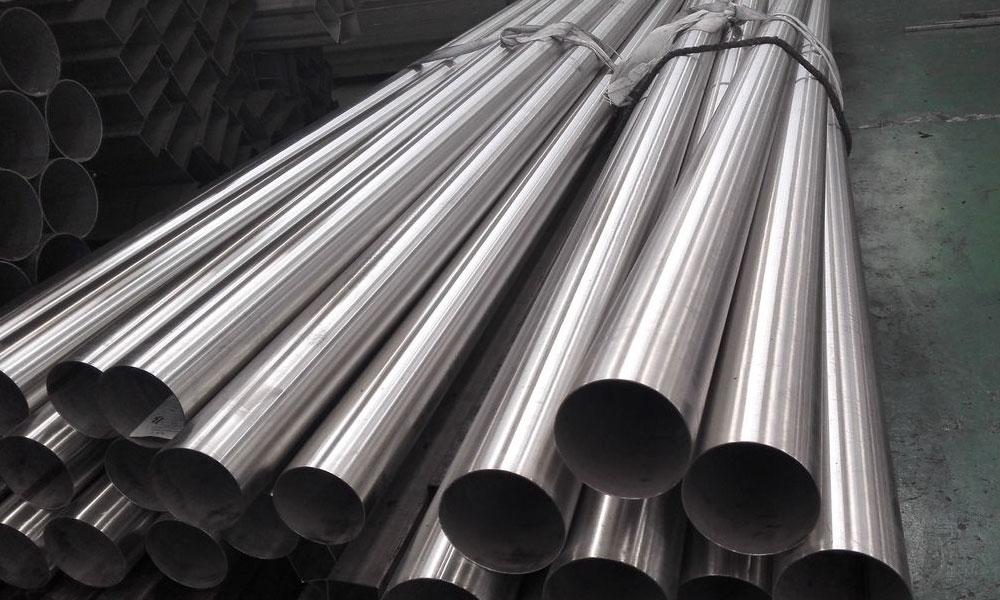
When Inconel Pipes Are the Right Choice

Inconel pipes usually come into the picture when other materials start creating problems. If your system runs hot for long hours, deals with aggressive media, or can’t afford frequent maintenance, that’s often when clients reach out to us. At Mcneil Alloys, we see Inconel specified when reliability matters more than initial material cost and long service life becomes the priority.

You don’t always need Inconel everywhere. But when sections of a system are exposed to high heat, pressure, or corrosion, choosing the right Inconel grade can prevent repeated failures and unplanned shutdowns. We help you look at those critical areas and decide where Inconel actually makes sense.

Why Projects Move to Inconel Pipes

  • Carbon steel or low-alloy pipes start failing under continuous heat or corrosive conditions

  • Maintenance intervals become too frequent and downtime starts affecting operations

  • Corrosion, scaling, or deformation shows up earlier than expected in critical sections

  • Systems are upgraded for higher temperature, pressure, or longer service life

  • Engineers want a long-term solution instead of repeated material replacement

Some Of Our Inconel Pipes

Inconel 600 Pipes

Inconel 600 pipes are used in high-temperature and corrosive environments where resistance to oxidation and chemical attack is critical, commonly found in heat treatment, chemical processing, and furnace-related systems.

Inconel 625 Pipes

Inconel 625 pipes are selected for applications involving severe corrosion and high pressure, especially in offshore, marine, and chemical systems where strength and corrosion resistance must work together.

Inconel 718 Pipes

Inconel 718 pipes are applied where very high strength and temperature resistance are required, typically in aerospace, power generation, and demanding industrial systems operating under extreme mechanical and thermal stress.

Inconel 725 Pipes

Inconel 725 pipes are commonly used in oil and gas applications requiring high strength and corrosion resistance, particularly in sour service and subsea environments exposed to aggressive operating conditions.

Inconel 800 Pipes

Inconel 800 pipes are used in applications involving prolonged exposure to high temperatures, such as heat exchangers and process piping, where material stability and resistance to carburization are important.

Inconel 800H Pipes

Inconel 800H pipes are designed for elevated-temperature service requiring improved creep resistance, making them suitable for power plants, petrochemical units, and systems operating under sustained thermal load.

Inconel 600 Pipes

Inconel 600 is often chosen when the main concern is resisting oxidation and chemical attack rather than extreme strength. We usually see this grade used in environments where heat is constant and materials are exposed to corrosive gases or chemicals over long periods. It performs reliably without becoming brittle under temperature fluctuations.

Highlights:

  • Excellent resistance to oxidation and corrosion

  • Performs well in continuous high-temperature service

Technical Specification
Property Typical Value
Density 8.47 g/cm³
Melting Point 1370–1425 °C
Tensile Strength 550 MPa
Yield Strength (0.2% Offset) 240 MPa
Elongation 30%

Inconel 625 Pipes

Inconel 625 stands out when corrosion becomes more aggressive and pressure levels increase. This grade is frequently specified in offshore and chemical applications where materials face chloride exposure, seawater, or harsh process media. Its strength and corrosion resistance work together, making it a preferred upgrade from lower nickel alloys.

Highlights:

  • Strong resistance to pitting and crevice corrosion

  • Handles high pressure and corrosive environments

  • Widely used in offshore and marine systems

Technical Specification
Property Typical Value
Density 8.44 g/cm³
Melting Point 1290–1350 °C
Tensile Strength 827 MPa
Yield Strength (0.2% Offset) 414 MPa
Elongation 30%

Inconel 718 Pipes

Inconel 718 is selected when mechanical strength is just as important as temperature resistance. We usually see this grade in applications where pipes are subjected to high stress in addition to heat. It’s not used everywhere, but when performance margins are tight, this grade offers confidence.

Highlights:

  • Very high strength at elevated temperatures

  • Good resistance to fatigue and thermal stress

Technical Specification
Property Typical Value
Density 8.19 g/cm³
Melting Point 1260–1336 °C
Tensile Strength 1030 MPa
Yield Strength (0.2% Offset) 862 MPa
Elongation 12%

Inconel 725 Pipes

Inconel 725 is typically specified for oil and gas environments where corrosion and strength are both critical. We see it used in sour service and subsea applications where failure is not an option. This grade combines corrosion resistance with high mechanical strength after proper heat treatment.

Highlights:

  • Excellent performance in sour and aggressive environments

  • High strength with good corrosion resistance

  • Common in oil and gas and subsea applications

  • Reliable for long-term service under harsh conditions

Technical Specification
Property Typical Value
Density 8.33 g/cm³
Melting Point 1290–1343 °C
Tensile Strength 860 MPa
Yield Strength (0.2% Offset) 517 MPa
Elongation 25%

Inconel 800 Pipes

Inconel 800 is often used when systems operate at high temperatures for extended periods and material stability becomes the priority. It’s commonly applied in heat exchangers and process piping where resistance to carburization and oxidation is required rather than extreme strength.

Highlights:

  • Designed for long-term high-temperature exposure

  • Good resistance to oxidation and carburization

  • Common in heat exchangers and thermal processing

Technical Specification
Property Typical Value
Density 7.94 g/cm³
Melting Point 1350–1400 °C
Tensile Strength 450 MPa
Yield Strength (0.2% Offset) 205 MPa
Elongation 30%

Inconel 800H Pipes

Inconel 800H is a modified version of Inconel 800, developed specifically to improve creep resistance at higher temperatures. We usually see this grade selected for power and petrochemical systems where pipes remain under thermal load for years without frequent shutdowns.

Highlights:

  • Improved creep resistance for sustained heat

  • Suitable for power plants and petrochemical units

  • Designed for long-duration high-temperature service

  • Better structural stability than standard 800 grade

Technical Specification
Property Typical Value
Density 7.94 g/cm³
Melting Point 1350–1400 °C
Tensile Strength 450 MPa
Yield Strength (0.2% Offset) 170 MPa
Elongation 30%

Why Choose Mcneil Alloys for Inconel Pipes

  • We help you select the right Inconel grade based on actual operating temperature, pressure, and service conditions

  • Grades are supplied only where they make technical sense — no unnecessary material upgrades

  • Pipes are supplied with proper heat treatment, testing, and full material traceability

  • Our operations follow approved safety and compliance practices, supported by valid safety licences where required

  • We support both UAE-based projects and export supply with clear communication throughout

Let’s Talk About Your Inconel Pipe Requirement

If you’re considering Inconel 600, 625, 718, 725, 800, or 800H pipes, share a few details about your application with us. Tell us what temperatures, pressures, or media you’re dealing with, and we’ll help you choose the grade that makes sense.

Get in touch with Mcneil Alloys today  and let’s make sure you get the right Inconel pipe, supplied the right way.

Talk to Mcneil Alloys today and let’s get it right from the start.  

Frequently Asked Questions – Inconel Pipes

How do I know which Inconel grade is right for my application? +
Grade selection depends on operating temperature, pressure, and the environment the pipe will be exposed to. Once these conditions are reviewed, it becomes clearer whether grades such as Inconel 600, 625, or 800H are most suitable for the application.
Are Inconel pipes necessary for all high-temperature applications? +
Not always. Inconel pipes are typically selected when carbon steel or lower alloy materials fail due to heat or corrosion. They are often recommended only for critical sections where long service life and reliability are essential.
Can Inconel pipes handle corrosive and chemical environments? +
Yes. Inconel pipes are widely used in corrosive and chemical environments. Grades such as 625 and 725 are especially suitable for resistance to chlorides, seawater, and aggressive process media.
What standards are Inconel pipes supplied to? +
Inconel pipes are typically supplied in accordance with ASTM and ASME standards. Where required, testing, heat treatment, and inspection scope can be aligned with specific project or EPC specifications.
What documentation will I receive with Inconel pipes? +
Pipes are supplied with material test certificates including chemical and mechanical test results. Additional inspections such as PMI or NDT can be arranged when required by the project or client.
Do you supply Inconel pipes for UAE and export projects? +
Yes. We support both UAE-based and export projects, ensuring packing, marking, and documentation meet site requirements as well as international shipping and inspection standards.