Manufacturer & Exporters of:
Instrumentation Pipe Fittings & Valves

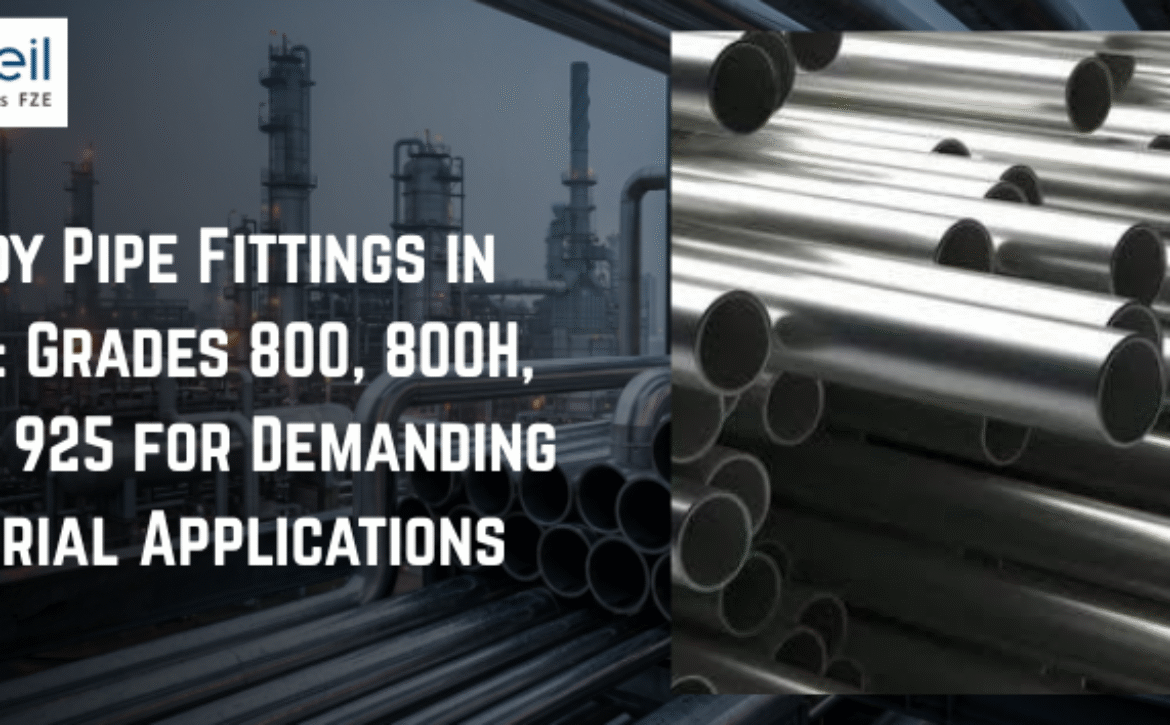
Inconel Pipes in UAE: P5, P9, P11, P22 & P91 Grades for High-Temperature Industrial Applications

The UAE’s oil and gas, petrochemical, power generation, refinery, and industrial sectors depend on piping systems capable of handling high temperatures, pressure, and demanding operating conditions. Selecting the right alloy steel pipe is therefore critical for maintaining system reliability and long-term performance.

ASTM A335 alloy steel pipes in grades P5, P9, P11, P22, and P91 are designed for elevated-temperature service and are widely considered for applications involving steam, boilers, power generation, refineries, and petrochemical processing.

Mcneil Alloys supplies alloy steel pipes in these grades for industrial requirements across the UAE and Gulf region. Its published UAE pipe information covers P5, P9, P11, P12, P21, P22 and P91 grades and identifies applications across oil & gas, petrochemical, chemical processing, power generation, marine, and infrastructure industries.

What Are P5, P9, P11, P22 and P91 Alloy Steel Pipes?

These grades are chromium-molybdenum alloy steels used where piping needs to maintain mechanical performance at elevated temperatures.

The addition of chromium and molybdenum helps improve properties such as high-temperature strength, oxidation resistance, and resistance to degradation during prolonged service.

The major grades covered by Mcneil Alloys include:

  • ASTM A335 P5
  • ASTM A335 P9
  • ASTM A335 P11
  • ASTM A335 P22
  • ASTM A335 P91

The correct grade depends on the application’s temperature, pressure, process medium, design requirements, and applicable specifications.

ASTM A335 P5 Pipes in UAE

P5 alloy steel pipe contains approximately 4–6% chromium and 0.45–0.65% molybdenum according to Mcneil Alloys’ published technical information.

Its chromium-molybdenum composition makes it suitable for selected elevated-temperature applications.

Typical applications

  • Refineries
  • Petrochemical plants
  • Heat exchangers
  • High-temperature process piping
  • Power-generation equipment

ASTM A335 P9 Pipes in UAE

P9 alloy steel pipe contains approximately 8–10% chromium and 0.90–1.10% molybdenum.

The higher chromium content provides increased resistance to oxidation and high-temperature degradation.

Applications include:

  • Power plants
  • Refineries
  • Petrochemical processing
  • Steam systems
  • High-temperature piping

ASTM A335 P11 Pipes in UAE

P11 alloy steel pipe contains approximately 1–1.5% chromium and 0.44–0.65% molybdenum.

P11 is used for various high-temperature piping applications where a chromium-molybdenum alloy is required.

Common applications include:

  • Boilers
  • Steam piping
  • Power plants
  • Heat exchangers
  • Petrochemical equipment

ASTM A335 P22 Pipes in UAE

P22 alloy steel pipe contains approximately 1.90–2.60% chromium and 0.87–1.13% molybdenum according to Mcneil Alloys’ published specifications.

It is used in applications where elevated-temperature strength and long-term performance are important.

Typical applications

  • Power-generation plants
  • Boiler systems
  • Steam pipelines
  • Petrochemical facilities
  • Heat recovery systems
  • High-temperature process lines

ASTM A335 P91 Pipes in UAE

P91 is a higher-performance chromium-molybdenum alloy steel grade used for demanding high-temperature service.

Mcneil Alloys lists approximately 8–9.5% chromium and 0.85–1.05% molybdenum for P91.

P91 can be considered for critical applications where high-temperature strength and creep resistance are required.

Applications

  • Power plants
  • High-pressure steam systems
  • Advanced energy systems
  • Boiler components
  • High-temperature process piping

P5 vs P9 vs P11 vs P22 vs P91

Grade Chromium Molybdenum Typical Application
P5 4–6% 0.45–0.65% Refineries, heat exchangers
P9 8–10% 0.90–1.10% Power and petrochemical systems
P11 1–1.5% 0.44–0.65% Boilers, steam piping
P22 1.90–2.60% 0.87–1.13% Power plants, high-temperature systems
P91 8–9.5% 0.85–1.05% Critical high-temperature applications

The alloy composition is only one part of material selection. The final grade should be selected according to the actual service conditions and project specification.

Alloy Steel Pipes for UAE Oil & Gas Applications

The UAE’s oil and gas industry operates extensive upstream, processing, refining, and supporting infrastructure.

High-temperature alloy steel pipes can be used in suitable applications involving:

  • Steam
  • Process fluids
  • High-temperature hydrocarbons
  • Refinery systems
  • Heat-transfer systems
  • Pressure piping

Mcneil Alloys identifies oil and gas among the industries served by its pipe range.

Alloy Steel Pipes for Petrochemical Plants

Petrochemical facilities require piping materials capable of maintaining performance under demanding thermal and chemical conditions.

Depending on the process, P5, P9, P11, P22, and P91 may be considered for:

  • Process piping
  • Steam lines
  • Boilers
  • Heat exchangers
  • Furnace systems
  • High-temperature equipment

Material selection should always be based on the actual process chemistry, pressure, temperature, and engineering specification.

Alloy Steel Pipes for UAE Power Plants

Power generation is one of the major applications for chromium-molybdenum alloy steel pipes.

Piping systems associated with boilers, steam generation, superheating, reheating, and other high-temperature services require materials that can withstand prolonged thermal exposure.

Grades such as P11, P22, and P91 can be used for different services depending on the plant design and operating conditions.

Why Chromium and Molybdenum Matter

The performance of these alloy steel grades is closely related to their alloying elements.

Chromium

Chromium contributes to:

  • Oxidation resistance
  • High-temperature stability
  • Resistance to scaling

Molybdenum

Molybdenum contributes to:

  • Elevated-temperature strength
  • Resistance to softening
  • Improved creep performance

The precise combination varies between grades, which is why P5, P9, P11, P22, and P91 are used for different operating conditions.

Choosing the Right Alloy Steel Pipe in UAE

Before purchasing an ASTM A335 pipe, consider the following:

Operating Temperature

Determine the normal and maximum service temperature.

Design Pressure

The pipe wall thickness and grade must satisfy the required design pressure.

Process Medium

Identify the fluid or gas being transported and its chemical characteristics.

Creep Requirements

For prolonged elevated-temperature service, creep and stress-rupture performance should be evaluated.

Pipe Dimensions

Specify:

  • Nominal bore
  • Outside diameter
  • Wall thickness
  • Schedule
  • Length
  • End preparation

Applicable Standards

Confirm the required ASTM, ASME, project, EPC, and end-user specifications.

Quality and Inspection

For critical industrial applications, quality verification is essential.

Depending on project requirements, inspection may include:

  • Chemical composition analysis
  • Mechanical testing
  • Dimensional inspection
  • Hydrostatic testing
  • Ultrasonic testing
  • Radiographic testing
  • Positive Material Identification
  • Visual inspection
  • Heat-treatment verification
  • Material traceability

Mcneil Alloys’ broader pipe information states that its products are subjected to inspection and testing according to applicable requirements, with quality documentation and material traceability available for relevant products.

Mcneil Alloys: Alloy Steel Pipe Supplier in UAE

Mcneil Alloys operates from SAIF-Zone, Sharjah, UAE, and supplies industrial pipes, tubes, flanges, fittings, instrumentation products, and specialty alloys. Its published UAE information highlights experience serving oil & gas, petrochemical, chemical, power-generation, marine, construction, and infrastructure applications.

The company also states that it provides custom sizes, materials, and designs for specialized projects, along with technical support and logistics across UAE and Gulf markets.

For UAE projects, buyers can specify the required ASTM A335 grade, pipe dimensions, schedule, quantity, testing requirements, documentation, and delivery requirements when requesting a quotation.

Conclusion

ASTM A335 P5, P9, P11, P22, and P91 alloy steel pipes are designed for demanding elevated-temperature applications where conventional carbon steel may not provide the required performance.

Across the UAE, these chromium-molybdenum grades can be considered for oil & gas, refineries, petrochemical plants, power generation, boilers, heat exchangers, steam systems, and other high-temperature industrial applications.

Choosing the right grade requires careful evaluation of temperature, pressure, process conditions, creep requirements, dimensions, applicable standards, and inspection requirements.

Mcneil Alloys provides alloy steel pipe solutions for UAE and Gulf industrial projects, with P5, P9, P11, P22, and P91 among its published alloy steel grades.

Frequently Asked Questions

What are ASTM A335 alloy steel pipes used for?

They are used primarily for high-temperature and pressure piping applications, including power plants, refineries, petrochemical facilities, boilers, and steam systems.

Which grades are available from Mcneil Alloys?

Mcneil Alloys’ published range includes P5, P9, P11, P22, and P91, along with additional grades such as P12 and P21.

What is the difference between P11 and P22?

Both are chromium-molybdenum alloy steels, but P22 has higher chromium and molybdenum content. The appropriate grade depends on the required service conditions and engineering specification.

Is P91 suitable for high-temperature applications?

Yes. P91 is a high-performance chromium-molybdenum alloy steel grade used for demanding elevated-temperature service where creep and high-temperature strength are important.

Which industries use alloy steel pipes in the UAE?

Major applications include oil & gas, petrochemical, chemical processing, power generation, marine, and industrial infrastructure.

How should I select an ASTM A335 grade?

Consider operating temperature, pressure, process medium, creep requirements, pipe dimensions, welding requirements, applicable standards, and project specifications before selecting the grade.

Read More
admin August 22, 2026 0 Comments

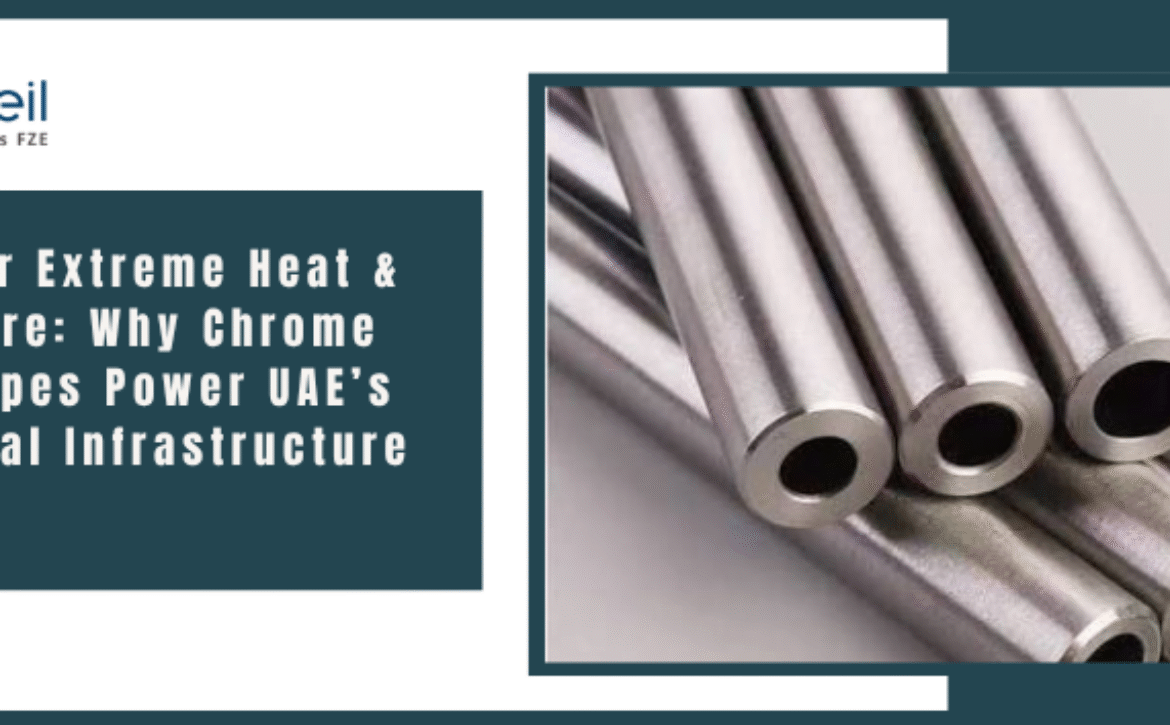
Built for Extreme Heat & Pressure: Why Chrome Moly Pipes Power UAE’s Industrial Infrastructure

Introduction: In the UAE, Performance Isn’t Optional—It’s Required

Let’s get straight to it—industries in the UAE operate under some of the toughest conditions globally. High ambient temperatures, aggressive processing environments, and continuous operations demand materials that won’t fail under pressure.

That’s exactly why chrome moly pipes (ASTM A335 grades P5, P9, P11, P22, P91) are widely used. A trusted manufacturer, supplier, and exporter ensures these pipes deliver strength, thermal stability, and long-term reliability across critical applications.

Across refineries, power plants, and petrochemical facilities, industries rely on experienced chrome moly pipe manufacturers, suppliers, and exporters in the UAE to maintain efficiency and safety.


What Are Chrome Moly Pipes?

Chrome moly pipes are alloy steel pipes made with chromium and molybdenum, designed specifically for high-temperature and high-pressure environments.

These pipes fall under ASTM A335 standards and are widely used in industries where durability and heat resistance are critical.

Why They Stand Out

  • Withstand temperatures up to ~540–750°C
    • Excellent strength under pressure
    • High resistance to oxidation and corrosion
    • Strong creep resistance (prevents deformation over time)

This makes them essential for industries sourcing from reliable manufacturers, suppliers, and exporters.


Technical Specifications Table

Parameter Specification
Standard ASTM A335 / ASME SA335
Pipe Type Seamless Alloy Steel Pipe
Grades P5, P9, P11, P22, P91
Size Range ½″ to 36″ NB
Thickness SCH 20 to SCH XXS
Temperature Range Up to 750°C
Manufacturing Hot Rolled / Cold Drawn
End Type Plain / Beveled / Threaded

These specifications ensure compatibility with demanding industrial systems.


Why Chromium & Molybdenum Matter

Here’s the real advantage—these elements define the performance:

  • Chromium improves oxidation and corrosion resistance
    • Molybdenum enhances strength and high-temperature stability
    • Prevents material softening under extreme heat
    • Improves creep resistance and durability

Molybdenum plays a key role in maintaining strength and preventing structural degradation at high temperatures.


Understanding Key Grades

Each grade is engineered for specific industrial needs:

P5

  • Strong oxidation resistance
    • Ideal for boilers and heat exchangers

P9

  • High creep strength
    • Performs well in high-pressure environments

P11

  • Balanced strength and weldability
    • Suitable for steam and process piping

P22

  • Excellent fatigue and creep resistance
    • Used in power plants and refineries

P91

  • Advanced alloy with superior strength
    • Ideal for turbines and critical high-pressure systems


Grade Comparison Table

Grade Strength Temperature Resistance Key Feature Best Application
P5 Medium High Oxidation resistance Refineries
P9 High Very High Creep strength Petrochemical
P11 Medium High Weldability Boilers
P22 High Very High Fatigue resistance Power plants
P91 Very High Extreme Advanced alloy strength Critical systems


Additional Performance Comparison Table

Factor P5 P9 P11 P22 P91
Corrosion Resistance Medium High Medium High Very High
Heat Resistance High Very High High Very High Extreme
Service Life Long Longer Long Longer Very Long
Cost Low Medium Medium Medium High

Higher grades like P91 are preferred in critical applications due to superior performance and longevity.


Why Chrome Moly Pipes Are Critical in the UAE

The UAE’s industrial environment creates unique challenges:

  • High ambient temperatures
    • Continuous refinery and petrochemical operations
    • Exposure to corrosive chemicals
    • High-pressure steam systems

Chrome moly pipes handle these conditions effectively, making them a preferred choice from experienced manufacturers, suppliers, and exporters.


Industrial Applications in the UAE

Chrome moly pipes are widely used across key sectors:

Oil & Gas Industry
Refineries, pipelines, offshore platforms

Power Generation
Boilers, superheaters, steam systems

Petrochemical Plants
Chemical processing systems

Desalination Plants
High-temperature water systems

Industrial Manufacturing
Thermal and pressure-based operations

These pipes are essential for industries operating under extreme heat and pressure.


Manufacturing Process

Top manufacturers, suppliers, and exporters follow strict production standards:

Process Flow

  • Alloy steel raw material selection
    • Hot rolling or cold drawing
    • Heat treatment for enhanced strength
    • Surface finishing
    • Inspection and testing

Seamless pipes are preferred for high-pressure systems due to their uniform strength and absence of weld joints.


Key Advantages of Chrome Moly Pipes

High Temperature Resistance
Performs in extreme heat conditions

Superior Strength
Handles high-pressure systems

Creep Resistance
Prevents deformation over time

Corrosion Resistance
Suitable for harsh environments

Long Service Life
Reduces maintenance costs

These benefits make them a preferred solution from leading manufacturers, suppliers, and exporters.


Quality Testing and Assurance

To ensure reliability, pipes undergo strict testing:

  • Hydrostatic testing
    • Ultrasonic inspection
    • Mechanical testing
    • Chemical composition analysis
    • Dimensional verification

A trusted manufacturer and exporter ensures every pipe meets industrial standards.


Conclusion

Chrome moly pipes are not just high-performance materials—they are essential for industries where heat, pressure, and reliability are non-negotiable.

In the UAE, where industrial systems operate under extreme conditions, working with a trusted manufacturer, supplier, and exporter ensures long-term performance and safety.

If your operations demand strength, durability, and high-temperature resistance, choosing the right chrome moly pipe supplier and exporter in the UAE is what keeps your systems running without failure.

Read More
admin May 5, 2026 0 Comments

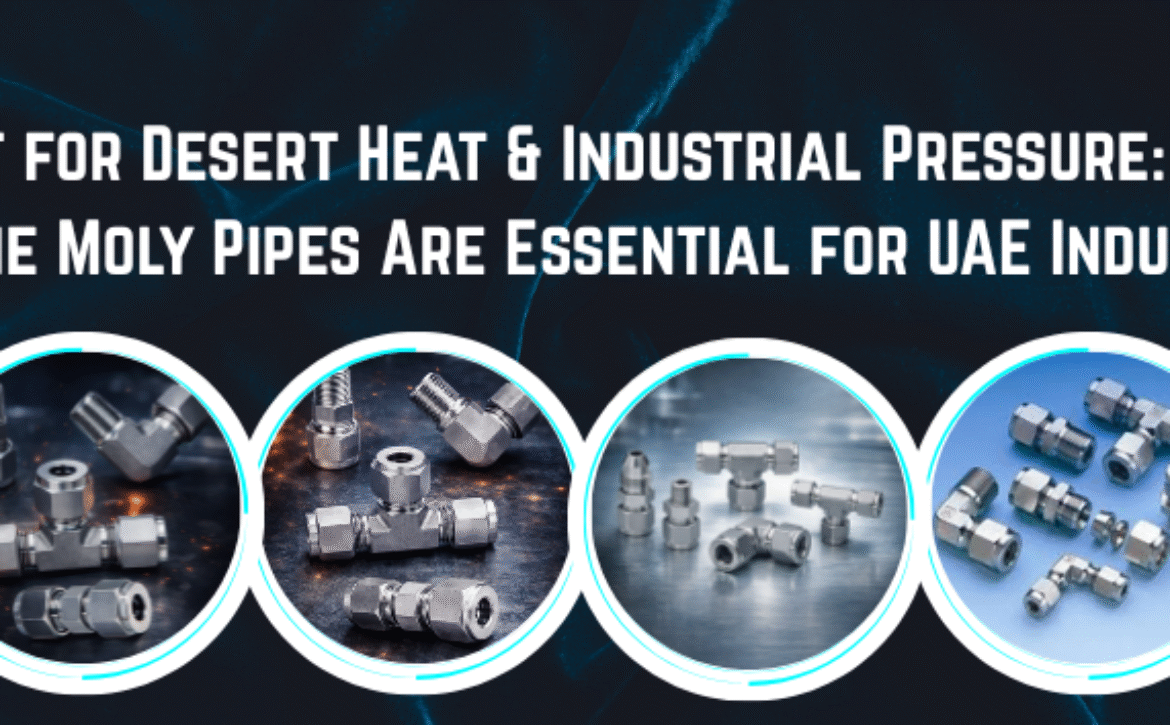
Built for Desert Heat & Industrial Pressure: Why Chrome Moly Pipes Are Essential for UAE Industries

Introduction: UAE Industries Need More Than Standard Pipes

Let’s get straight to it—operating in the UAE isn’t easy on materials. High ambient temperatures, aggressive industrial environments, and continuous production cycles demand piping systems that can handle extreme conditions without compromise.

That’s where chrome moly pipes (ASTM A335 P grades) come in. A trusted manufacturer, supplier, and exporter ensures these pipes deliver exceptional strength, thermal stability, and long-term reliability.

Across oil & gas, petrochemical, and power sectors in the UAE, industries rely on experienced chrome moly pipe manufacturers, suppliers, and exporters to maintain performance under pressure.


What Are Chrome Moly Pipes?

Chrome moly pipes are seamless alloy steel pipes made with chromium and molybdenum, designed specifically for high-temperature and high-pressure applications.

These pipes are widely used in environments where standard carbon steel fails due to heat and stress.

Why Chromium & Molybdenum Matter

  • Chromium improves oxidation and corrosion resistance
    • Molybdenum enhances strength at high temperatures
    • Provides excellent creep resistance under long-term heat exposure
    • Maintains structural integrity in extreme environments

This combination makes chrome moly pipes a preferred choice from reliable manufacturers, suppliers, and exporters.


Technical Specifications Table

Parameter Specification
Standard ASTM A335 / ASME SA335
Pipe Type Seamless Alloy Steel Pipe
Grades P5, P9, P11, P22, P91
Size Range ½″ to 36″ NB
Thickness SCH 20 to SCH XXS
Temperature Range Up to 540°C – 750°C
Manufacturing Hot Rolled / Cold Drawn
Application High-pressure & high-temperature systems

Leading manufacturers, suppliers, and exporters ensure these pipes meet international standards required in UAE industries.


Mechanical Properties Table

Property P5 / P9 / P11 / P22 P91
Tensile Strength ≥ 415 MPa ≥ 585 MPa
Yield Strength ≥ 205 MPa ≥ 415 MPa
Heat Resistance High Very High
Creep Resistance Good Excellent

P91 is especially suitable for advanced applications where extreme heat and pressure are involved.


Grade Comparison Table

Grade Key Feature Strength Temperature Resistance Best Application
P5 Oxidation resistance Medium High Refineries
P9 Higher alloy strength High Very High Petrochemical plants
P11 Balanced properties Medium High Boilers
P22 Strong creep resistance High Very High Power plants
P91 Advanced alloy (9Cr-1Mo) Very High Extreme Critical energy systems

A reliable manufacturer, supplier, and exporter helps industries select the right grade based on operational requirements.


Additional Performance Comparison Table

Factor P5 P9 P11 P22 P91
Corrosion Resistance Medium High Medium High Very High
Heat Resistance High Very High High Very High Extreme
Cost Low Medium Medium Medium High
Service Life Long Longer Long Longer Very Long

Higher-grade alloys like P91 are widely used in UAE’s advanced energy and petrochemical sectors due to their durability.


Why Chrome Moly Pipes Are Critical in UAE

The UAE’s industrial environment demands materials that can handle:

  • High ambient temperatures and thermal exposure
    • Continuous high-pressure operations
    • Corrosive chemicals and gases
    • Long operational cycles without failure

Chrome moly pipes meet these challenges, making them a preferred choice from experienced manufacturers, suppliers, and exporters.


Industrial Applications in UAE

Chrome moly pipes are widely used across key industries:

Oil & Gas Industry
Refineries, pipelines, and offshore systems

Petrochemical Plants
High-temperature chemical processing

Power Generation
Boilers, superheaters, and steam lines

Desalination Plants
Thermal systems and pressure pipelines

Heavy Manufacturing
Industrial heating and processing systems

Industries depend on consistent supply from trusted suppliers and exporters to maintain efficiency and safety.


Manufacturing Process

Top manufacturers, suppliers, and exporters follow strict production standards:

Process Flow

  • Alloy steel raw material selection
    • Hot rolling or cold drawing
    • Heat treatment for enhanced strength
    • Surface finishing
    • Dimensional inspection

This ensures durability, precision, and long service life.


Key Advantages of Chrome Moly Pipes

High Temperature Resistance
Performs in extreme heat conditions

Superior Strength
Maintains integrity under pressure

Creep Resistance
Prevents long-term deformation

Corrosion Resistance
Suitable for harsh industrial environments

Long Service Life
Reduces downtime and maintenance costs

These benefits make them a preferred solution from leading manufacturers, suppliers, and exporters.


Quality Testing and Assurance

To ensure performance, pipes undergo strict testing:

  • Hydrostatic testing
    • Ultrasonic inspection
    • Mechanical testing
    • Chemical composition analysis
    • Dimensional verification

A trusted manufacturer and exporter ensures every pipe meets industrial quality standards.


Conclusion

Chrome moly pipes are engineered for industries where heat, pressure, and reliability are non-negotiable.

In the UAE, where industrial conditions are demanding, working with a trusted manufacturer, supplier, and exporter ensures consistent quality and long-term performance.

If your operations involve high-temperature and high-pressure systems, choosing the right chrome moly pipe supplier and exporter in UAE is what keeps your processes running smoothly and efficiently.

Read More
admin April 17, 2026 0 Comments