Manufacturer & Exporters of:
Instrumentation Pipe Fittings & Valves

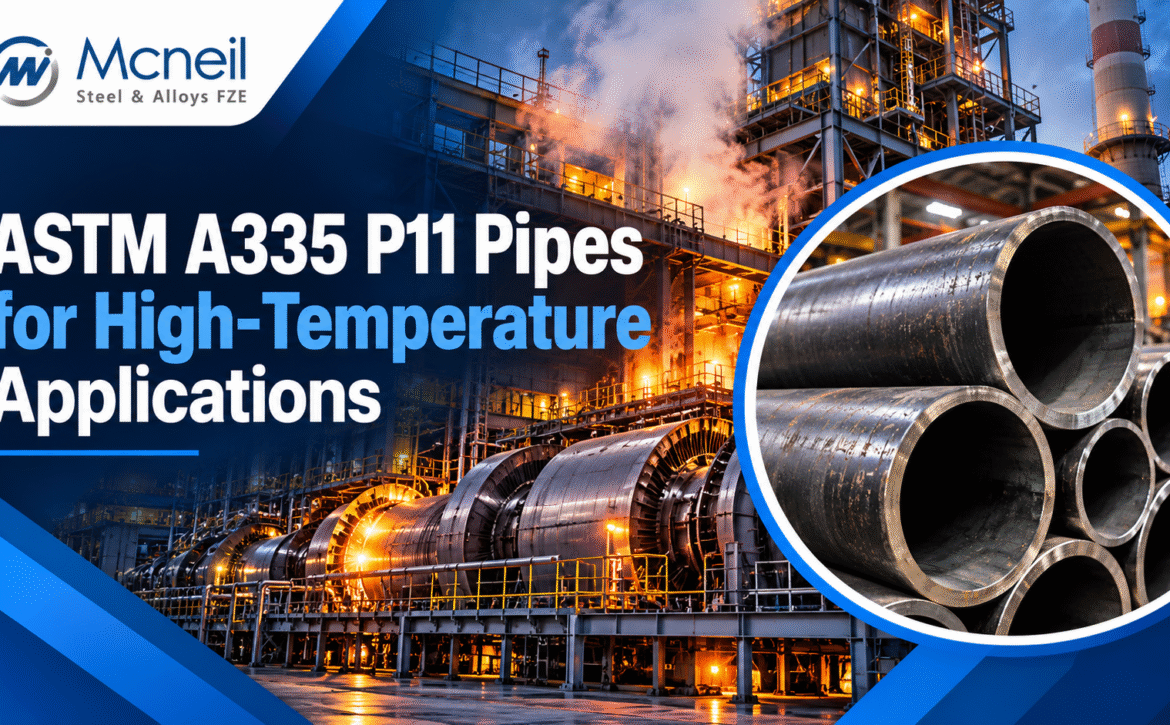
Built for Desert Heat & Industrial Pressure: Why Chrome Moly Pipes Are Essential for UAE Industries

Introduction: UAE Industries Need More Than Standard Pipes

Let’s get straight to it—operating in the UAE isn’t easy on materials. High ambient temperatures, aggressive industrial environments, and continuous production cycles demand piping systems that can handle extreme conditions without compromise.

That’s where chrome moly pipes (ASTM A335 P grades) come in. A trusted manufacturer, supplier, and exporter ensures these pipes deliver exceptional strength, thermal stability, and long-term reliability.

Across oil & gas, petrochemical, and power sectors in the UAE, industries rely on experienced chrome moly pipe manufacturers, suppliers, and exporters to maintain performance under pressure.


What Are Chrome Moly Pipes?

Chrome moly pipes are seamless alloy steel pipes made with chromium and molybdenum, designed specifically for high-temperature and high-pressure applications.

These pipes are widely used in environments where standard carbon steel fails due to heat and stress.

Why Chromium & Molybdenum Matter

  • Chromium improves oxidation and corrosion resistance
    • Molybdenum enhances strength at high temperatures
    • Provides excellent creep resistance under long-term heat exposure
    • Maintains structural integrity in extreme environments

This combination makes chrome moly pipes a preferred choice from reliable manufacturers, suppliers, and exporters.


Technical Specifications Table

Parameter Specification
Standard ASTM A335 / ASME SA335
Pipe Type Seamless Alloy Steel Pipe
Grades P5, P9, P11, P22, P91
Size Range ½″ to 36″ NB
Thickness SCH 20 to SCH XXS
Temperature Range Up to 540°C – 750°C
Manufacturing Hot Rolled / Cold Drawn
Application High-pressure & high-temperature systems

Leading manufacturers, suppliers, and exporters ensure these pipes meet international standards required in UAE industries.


Mechanical Properties Table

Property P5 / P9 / P11 / P22 P91
Tensile Strength ≥ 415 MPa ≥ 585 MPa
Yield Strength ≥ 205 MPa ≥ 415 MPa
Heat Resistance High Very High
Creep Resistance Good Excellent

P91 is especially suitable for advanced applications where extreme heat and pressure are involved.


Grade Comparison Table

Grade Key Feature Strength Temperature Resistance Best Application
P5 Oxidation resistance Medium High Refineries
P9 Higher alloy strength High Very High Petrochemical plants
P11 Balanced properties Medium High Boilers
P22 Strong creep resistance High Very High Power plants
P91 Advanced alloy (9Cr-1Mo) Very High Extreme Critical energy systems

A reliable manufacturer, supplier, and exporter helps industries select the right grade based on operational requirements.


Additional Performance Comparison Table

Factor P5 P9 P11 P22 P91
Corrosion Resistance Medium High Medium High Very High
Heat Resistance High Very High High Very High Extreme
Cost Low Medium Medium Medium High
Service Life Long Longer Long Longer Very Long

Higher-grade alloys like P91 are widely used in UAE’s advanced energy and petrochemical sectors due to their durability.


Why Chrome Moly Pipes Are Critical in UAE

The UAE’s industrial environment demands materials that can handle:

  • High ambient temperatures and thermal exposure
    • Continuous high-pressure operations
    • Corrosive chemicals and gases
    • Long operational cycles without failure

Chrome moly pipes meet these challenges, making them a preferred choice from experienced manufacturers, suppliers, and exporters.


Industrial Applications in UAE

Chrome moly pipes are widely used across key industries:

Oil & Gas Industry
Refineries, pipelines, and offshore systems

Petrochemical Plants
High-temperature chemical processing

Power Generation
Boilers, superheaters, and steam lines

Desalination Plants
Thermal systems and pressure pipelines

Heavy Manufacturing
Industrial heating and processing systems

Industries depend on consistent supply from trusted suppliers and exporters to maintain efficiency and safety.


Manufacturing Process

Top manufacturers, suppliers, and exporters follow strict production standards:

Process Flow

  • Alloy steel raw material selection
    • Hot rolling or cold drawing
    • Heat treatment for enhanced strength
    • Surface finishing
    • Dimensional inspection

This ensures durability, precision, and long service life.


Key Advantages of Chrome Moly Pipes

High Temperature Resistance
Performs in extreme heat conditions

Superior Strength
Maintains integrity under pressure

Creep Resistance
Prevents long-term deformation

Corrosion Resistance
Suitable for harsh industrial environments

Long Service Life
Reduces downtime and maintenance costs

These benefits make them a preferred solution from leading manufacturers, suppliers, and exporters.


Quality Testing and Assurance

To ensure performance, pipes undergo strict testing:

  • Hydrostatic testing
    • Ultrasonic inspection
    • Mechanical testing
    • Chemical composition analysis
    • Dimensional verification

A trusted manufacturer and exporter ensures every pipe meets industrial quality standards.


Conclusion

Chrome moly pipes are engineered for industries where heat, pressure, and reliability are non-negotiable.

In the UAE, where industrial conditions are demanding, working with a trusted manufacturer, supplier, and exporter ensures consistent quality and long-term performance.

If your operations involve high-temperature and high-pressure systems, choosing the right chrome moly pipe supplier and exporter in UAE is what keeps your processes running smoothly and efficiently.

Read More
admin April 17, 2026 0 Comments

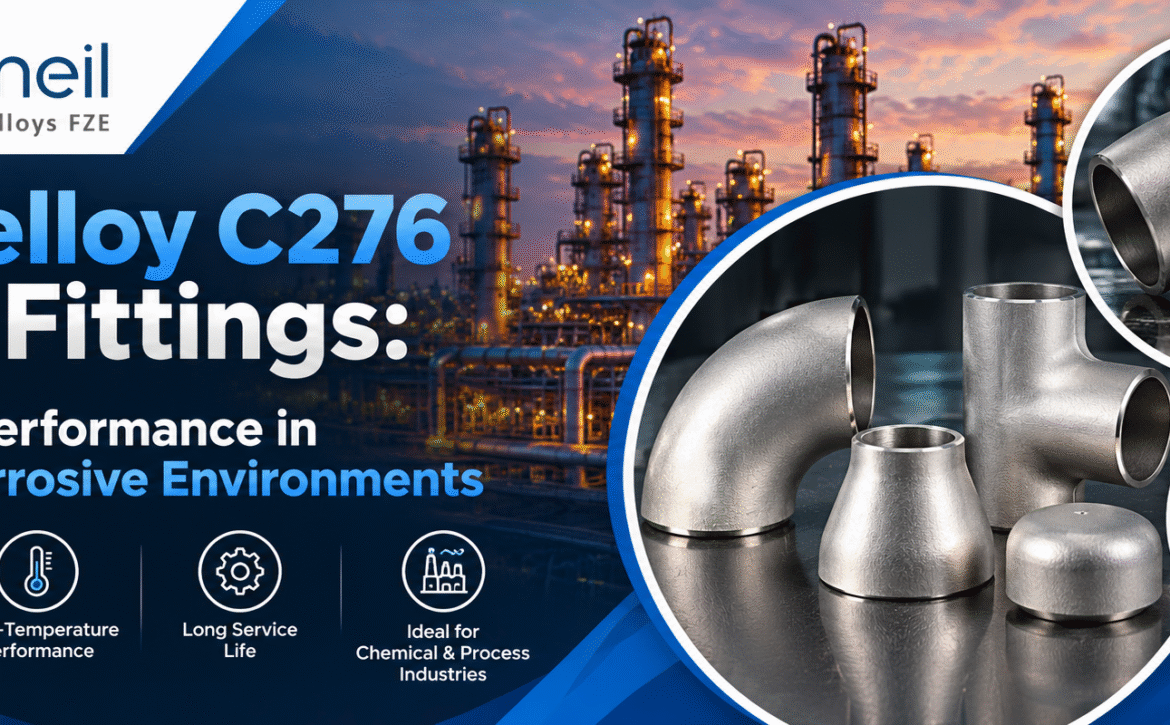
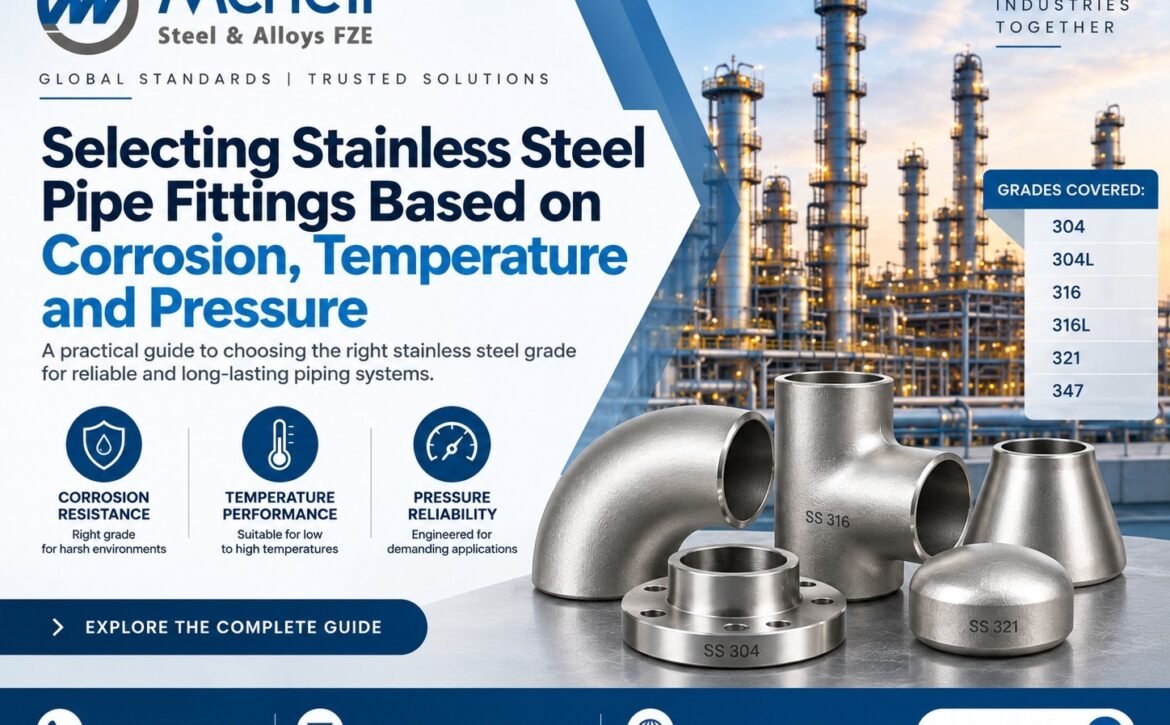
Stainless Steel Pipe Fittings Manufacturer & Supplier – Premium 304, 304L, 316, 316L, 321, 347 by Mcneil Alloys

Introduction

In today’s high-performance industrial environment, selecting the right pipe fittings is essential for ensuring strength, corrosion resistance, and long-term operational efficiency. Industries such as oil & gas, petrochemical, construction, and power generation demand materials that can withstand extreme pressure, temperature, and corrosive conditions.

If you are searching for a trusted stainless steel pipe fittings manufacturer and supplier, Mcneil Alloys is a leading name offering premium-quality stainless steel pipe fittings in grades 304, 304L, 316, 316L, 321, and 347.

These fittings are engineered to deliver exceptional durability, precision, and performance, making them ideal for critical industrial applications.

Why Choose Mcneil Alloys for Stainless Steel Pipe Fittings?

Choosing the right manufacturer ensures reliability and efficiency. Mcneil Alloys is trusted globally for delivering high-quality stainless steel pipe fittings with superior performance.

Key Highlights

✔ Wide range of stainless steel pipe fittings
✔ Premium-grade raw materials
✔ Advanced manufacturing technology
✔ Strict quality testing and inspection
✔ Competitive pricing and timely delivery
✔ Custom sizes and specifications available

Their focus is on delivering precision-engineered fittings that meet international standards.

What are Stainless Steel Pipe Fittings?

Stainless steel pipe fittings are essential components used to connect, control, and direct the flow of fluids in piping systems.

Key Benefits

  • High corrosion resistance
  • Excellent strength and durability
  • Heat and pressure resistance
  • Long service life
  • Low maintenance

These properties make stainless steel fittings ideal for industrial and commercial applications.

Stainless Steel Pipe Fittings Grades Offered

Mcneil Alloys manufactures a comprehensive range of grades:

1. Stainless Steel 304 Pipe Fittings

  • General-purpose stainless steel
  • Good corrosion resistance
  • Widely used in industrial piping systems

2. Stainless Steel 304L Pipe Fittings

  • Low carbon content
  • Improved weldability
  • Reduced risk of corrosion after welding

3. Stainless Steel 316 Pipe Fittings

  • Enhanced corrosion resistance
  • Suitable for marine and chemical environments
  • Contains molybdenum for better performance

4. Stainless Steel 316L Pipe Fittings

  • Low carbon version of 316
  • Excellent resistance to corrosion
  • Ideal for high-temperature applications

5. Stainless Steel 321 Pipe Fittings

  • Stabilized with titanium
  • Excellent resistance to high temperatures
  • Suitable for heat exchangers

6. Stainless Steel 347 Pipe Fittings

  • Stabilized with niobium
  • Resistant to intergranular corrosion
  • Ideal for high-pressure applications

Applications of Stainless Steel Pipe Fittings

Stainless steel pipe fittings are widely used in:

  • Oil & Gas Industry
  • Petrochemical Plants
  • Chemical Processing Units
  • Power Generation Plants
  • Marine & Offshore Applications
  • Construction & Infrastructure

Their ability to perform in extreme and corrosive environments makes them highly reliable.

Features of Stainless Steel Pipe Fittings

1. Superior Corrosion Resistance

Designed to resist rust, oxidation, and chemical corrosion.

2. High Strength & Durability

Ensures long-term performance under high pressure and temperature.

3. Excellent Weldability

Easy to install and fabricate for complex piping systems.

4. Temperature Resistance

Performs efficiently in both high and low-temperature environments.

5. Cost-Effective Solution

Long lifespan reduces maintenance and replacement costs.

Manufacturing & Quality Standards

Mcneil Alloys follows strict quality control processes:

  • Use of certified raw materials
  • Advanced manufacturing techniques
  • Non-destructive testing (NDT)
  • Dimensional and pressure testing
  • Compliance with international standards

This ensures consistent quality and high performance in every product.

Custom Stainless Steel Fittings Solutions

Every industry has unique requirements. Mcneil Alloys offers:

  • Custom sizes and dimensions
  • Tailored specifications
  • Bulk supply capabilities
  • Export-quality packaging

This makes them a preferred stainless steel pipe fittings supplier globally.

Benefits of Choosing Mcneil Alloys Pipe Fittings

By choosing Mcneil Alloys, you get:

📊 High strength and durability
💰 Reduced maintenance costs
📉 Excellent corrosion resistance
⚙️ Reliable industrial performance
🌍 Long-lasting piping solutions

Why Mcneil Alloys is a Trusted Manufacturer

Industries worldwide rely on Mcneil Alloys for quality, precision, and reliability.

Key Reasons

  • Proven industry expertise
  • Advanced manufacturing infrastructure
  • Competitive pricing
  • Timely delivery
  • Strong customer support

Their commitment is to deliver high-performance stainless steel pipe fittings for critical applications.

Results You Can Expect

With premium stainless steel pipe fittings, your business can achieve:

📈 Improved operational efficiency
📊 Reduced downtime
💼 Enhanced system reliability
💰 Long-term cost savings

Get the Best Stainless Steel Pipe Fittings Today

Looking for a reliable stainless steel pipe fittings manufacturer and supplier?

Company Name: Mcneil Alloys
Website: https://mcneilalloys.ae/

👉 Partner with Mcneil Alloys for high-quality, durable, and performance-driven piping solutions.

FAQs – Stainless Steel Pipe Fittings

1. What are stainless steel pipe fittings used for?

They are used to connect and control flow in piping systems across industries.

2. Which grade is best for corrosion resistance?

316 and 316L offer superior corrosion resistance.

3. Do you provide customized fittings?

Yes, Mcneil Alloys offers custom sizes and specifications.

4. Are these fittings suitable for high-temperature use?

Yes, grades like 321 and 347 are ideal for high-temperature environments.

5. What industries use these fittings?

Oil & gas, chemical, marine, power, and construction industries.

6. Do you supply internationally?

Yes, Mcneil Alloys exports globally with high-quality standards.

Read More
admin April 16, 2026 0 Comments

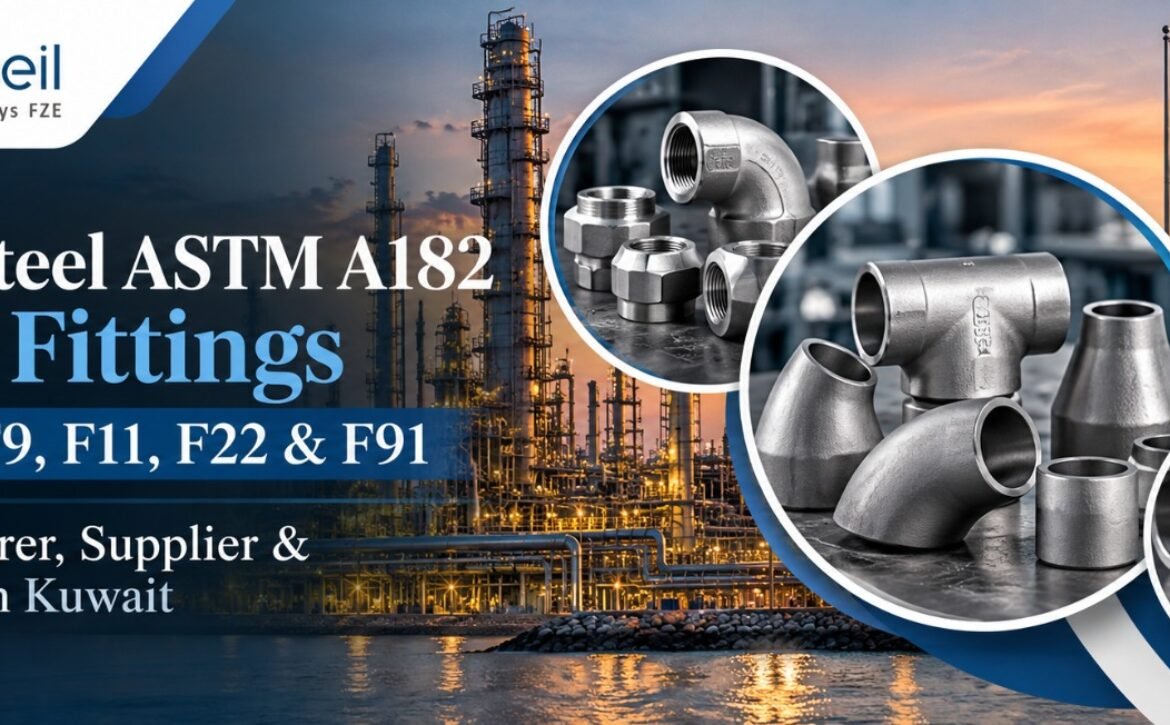
Pipe Fittings in UAE: Leading Supplier, Stockist & Exporter for Industrial Piping Solutions

Introduction: Built for UAE’s Industrial Demands

Let’s get straight to it—industries in the UAE operate in tough conditions. High temperatures, pressure-heavy systems, and corrosive environments demand materials that don’t fail under stress.

That’s where high-quality pipe fittings become critical. A reliable supplier, stockist, and exporter ensures consistent performance, durability, and uninterrupted supply for industrial operations.

Across oil & gas, petrochemical, power, and infrastructure sectors, companies rely on experienced pipe fittings suppliers, stockists, and exporters in UAE to maintain efficiency and safety.


What Are Pipe Fittings?

Pipe fittings are components used to connect pipes, control flow, change direction, and regulate pressure within a piping system.

Manufactured and supplied by trusted suppliers, stockists, and exporters, these fittings are essential for both small-scale and large industrial systems.

Common Types of Pipe Fittings

  • Elbows – Change flow direction (45°, 90°, 180°)
    Tees – Allow branching of pipelines
    Reducers – Connect pipes of different sizes
    Caps – Seal pipeline ends
    Couplings – Join two pipes

A dependable stockist and exporter ensures ready availability across all sizes and configurations.


Why Pipe Fittings Are Critical in Industrial Systems

Let’s be practical—without fittings, pipelines can’t function. They ensure proper flow control, leak-proof connections, and system efficiency.

Key Benefits

  • Enables smooth flow distribution
    • Maintains pressure balance
    • Ensures leak-proof connections
    • Supports system flexibility
    • Enhances overall safety

This is why industries prefer working with experienced suppliers, stockists, and exporters who can deliver consistent quality.


Detailed Technical Specifications Table

Parameter Specification
Product Type Industrial Pipe Fittings
Standards ASTM / ASME / API
Size Range ½″ to 48″ NB
Thickness SCH 10 to SCH XXS
Type Seamless / Welded / Forged
End Connections Threaded / Beveled / Flanged
Manufacturing Buttweld / Forged
Surface Finish Black / Pickled / Coated

Leading suppliers, stockists, and exporters ensure all fittings comply with international standards for industrial use.


Material Types Available

Pipe fittings are available in different materials depending on application needs.

Material Type Key Feature Application
Carbon Steel High strength General industrial use
Stainless Steel Corrosion resistance Chemical & marine
Alloy Steel High-temperature strength Power plants
Duplex Steel Strength + corrosion resistance Offshore
Nickel Alloys Extreme corrosion resistance Chemical processing

A trusted supplier and exporter helps industries select the right material based on operating conditions.


Mechanical Properties Overview

Property Typical Performance
Tensile Strength High
Yield Strength Moderate to High
Temperature Range Suitable for extreme conditions
Pressure Handling High
Durability Long service life

Reliable stockists and exporters ensure consistency across all supplied materials.


Manufacturing Process

Top suppliers, stockists, and exporters follow strict manufacturing practices:

Process Flow

  • Raw material inspection
    • Forging or forming
    • Heat treatment
    • Machining and finishing
    • Surface coating
    • Final inspection

This ensures durability, dimensional accuracy, and long-term performance.


Type Comparison Table

Fitting Type Function Strength Best Use
Elbow Direction change High Flow control
Tee Flow branching High Distribution systems
Reducer Size adjustment Medium Pipe transitions
Cap End closure High Termination
Coupling Pipe joining Medium Extensions

Every experienced supplier, stockist, and exporter ensures availability across all fitting types.


Additional Performance Comparison Table

Factor Carbon Steel Stainless Steel Alloy Steel
Cost Low Medium High
Strength High Medium Very High
Corrosion Resistance Medium High High
Temperature Handling Medium High Very High
Maintenance Moderate Low Low

This helps industries choose the right solution from trusted stockists and exporters.


Industrial Applications in UAE

Pipe fittings are widely used across industries:

Oil & Gas Industry
Pipelines, refineries, offshore systems

Petrochemical Plants
Handling high-temperature chemicals

Power Generation
Boilers and heat exchangers

Construction & Infrastructure
Water and structural systems

Water Treatment Plants
Fluid distribution networks

Industries rely on consistent supply from reliable suppliers, stockists, and exporters to ensure smooth operations.


Key Advantages of Pipe Fittings

Strength & Reliability
Handles pressure and stress

Versatility
Available in multiple types and materials

Durability
Long service life

Ease of Installation
Simple integration into systems

Cost Efficiency
Suitable for large-scale projects

These benefits make them a preferred choice from leading suppliers, stockists, and exporters.


Quality Testing and Assurance

Top suppliers, stockists, and exporters follow strict quality checks:

  • Hydrostatic testing
    • Ultrasonic testing
    • Radiographic inspection
    • Chemical analysis
    • Dimensional verification

This ensures reliability in critical industrial environments.


Conclusion

Pipe fittings are a crucial part of any piping system, ensuring safe and efficient flow control across industries.

Working with a trusted supplier, stockist, and exporter ensures consistent quality, availability, and long-term performance.

If your operations involve high pressure, temperature, and demanding conditions, choosing the right pipe fittings stockist and exporter in UAE is what keeps your sys

Read More
admin April 13, 2026 0 Comments

Carbon Steel Pipe Fittings: Leading Supplier, Stockist & Exporter for Reliable Industrial Piping Systems

Introduction: The Backbone of Industrial Piping

Let’s be honest—pipes alone don’t make a system work. It’s the fittings that control direction, flow, and pressure. If fittings fail, the entire pipeline becomes a risk.

That’s why carbon steel pipe fittings are a go-to solution across industries. A trusted supplier, stockist, and exporter ensures these fittings deliver strength, durability, and consistent performance even in demanding environments.

From oil & gas to infrastructure and power plants, industries rely on experienced carbon steel pipe fittings suppliers, stockists, and exporters to maintain efficiency and safety in their systems.


What Are Carbon Steel Pipe Fittings?

Carbon steel pipe fittings are mechanical components used to connect pipes, change direction, branch flow, or terminate pipelines. They are designed to withstand pressure, temperature, and mechanical stress.

Manufactured and distributed by leading suppliers, stockists, and exporters, these fittings are essential for both small-scale and large industrial piping systems.

Common Types of Pipe Fittings

  • Elbows – Used to change direction (45°, 90°, 180°)
    Tees – Allow branching of pipelines
    Reducers – Connect pipes of different diameters
    Caps – Close the end of a pipeline
    Couplings – Join two pipes together

A reliable stockist and exporter ensures all types are available in multiple sizes and grades for immediate supply.


Why Carbon Steel Is Widely Used

Material selection directly impacts system performance. Carbon steel offers a strong balance of strength, cost, and durability.

Key Benefits

  • High tensile strength for pressure applications
    • Good resistance to wear and mechanical stress
    • Suitable for moderate to high temperatures
    • Cost-effective for large industrial projects
    • Easy to weld and fabricate

This is why industries prefer sourcing from experienced suppliers, stockists, and exporters who ensure consistent quality.


Detailed Technical Specifications Table

Parameter Specification
Product Type Carbon Steel Pipe Fittings
Standards ASTM A234 / ASME SA234
Grades WPB, WP11, WP22
Size Range ½″ to 48″ NB
Wall Thickness SCH 10 to SCH XXS
Type Seamless / Welded
Manufacturing Forged / Buttweld
End Connections Plain / Beveled / Threaded
Surface Finish Black / Galvanized / Coated

Leading suppliers, stockists, and exporters ensure compliance with international standards and specifications.


Chemical Composition Table

Grade Carbon (%) Chromium (%) Molybdenum (%) Key Advantage
WPB ≤ 0.30 General-purpose strength
WP11 ≤ 0.15 1.0–1.5 0.44–0.65 Heat resistance
WP22 ≤ 0.15 2.0–2.5 0.87–1.13 High-temperature durability

These compositions are carefully controlled by top suppliers and exporters to ensure performance in critical environments.


Mechanical Properties Table

Property WPB WP11 WP22
Tensile Strength ≥ 415 MPa ≥ 415 MPa ≥ 415 MPa
Yield Strength ≥ 240 MPa ≥ 205 MPa ≥ 205 MPa
Elongation ≥ 20% ≥ 20% ≥ 20%
Temperature Range Moderate High Very High

A trusted stockist and exporter ensures consistent mechanical properties across all batches.


Manufacturing Process Explained

Leading suppliers, stockists, and exporters follow strict manufacturing steps to ensure quality:

Process Flow

  • Selection of high-quality raw materials
    • Heating and forging or forming
    • Machining and shaping
    • Heat treatment for strength and durability
    • Surface finishing and coating
    • Final inspection and testing

Each step ensures the fittings meet industrial performance standards.


Grade Comparison Table

Grade Strength Temperature Resistance Corrosion Resistance Ideal Use
WPB Medium Moderate Low General piping
WP11 Medium High Medium Boilers & thermal systems
WP22 High Very High Medium Power plants & refineries

Experienced suppliers, stockists, and exporters help industries select the right grade for their applications.


Additional Performance Comparison Table

Factor WPB WP11 WP22
Cost Low Medium High
Weldability Excellent Good Good
Heat Resistance Moderate High Very High
Pressure Handling Medium High Very High
Service Life Standard Long Very Long

This comparison helps buyers choose the right fittings from reliable stockists and exporters.


Industrial Applications

Carbon steel pipe fittings are widely used across industries:

Oil & Gas Industry
Pipelines, refineries, and processing units

Power Plants
Boilers, steam lines, and heat exchangers

Petrochemical Industry
High-temperature chemical handling

Construction & Infrastructure
Structural piping systems

Water Treatment Plants
Fluid distribution systems

Industries rely on consistent supply from trusted suppliers, stockists, and exporters to ensure uninterrupted operations.


Key Advantages of Carbon Steel Pipe Fittings

Strength & Durability
Handles pressure and heavy loads

Thermal Resistance
Suitable for high-temperature environments

Cost Efficiency
Ideal for large-scale industrial use

Versatility
Available in multiple sizes and configurations

Ease of Installation
Simple welding and fabrication

These benefits make them a preferred choice from leading suppliers, stockists, and exporters.


Quality Testing and Assurance

Top suppliers, stockists, and exporters follow strict quality testing procedures:

  • Hydrostatic pressure testing
    • Ultrasonic and radiographic testing
    • Chemical composition analysis
    • Mechanical strength testing
    • Dimensional inspection

This ensures reliability and performance in critical industrial systems.


Conclusion

Carbon steel pipe fittings play a crucial role in maintaining the strength and efficiency of industrial piping systems.

Working with a trusted supplier, stockist, and exporter ensures consistent quality, reliable supply, and long-term performance.

If your system involves high pressure, temperature, and continuous operation, choosing the right carbon steel pipe fittings stockist and exporter is what keeps everything running smoothly.

Read More
admin April 10, 2026 0 Comments

Tantalum Tube Fittings in UAE: Advanced Corrosion-Resistant Solutions for Extreme Chemical and High-Temperature Systems

Introduction: Built for UAE’s Most Demanding Industrial Environments

Let’s get straight to it—industries in the UAE don’t operate under easy conditions. Between high temperatures, aggressive chemicals, and continuous production cycles, materials are constantly pushed to their limits.

That’s why tantalum tube fittings (Ta-1, Ta-2, Ta-2.5W, Ta-10W) are gaining strong demand. These fittings are engineered for extreme corrosion resistance, high-temperature stability, and long-term performance, making them ideal for critical applications.

From petrochemical plants to advanced chemical processing units, tantalum fittings are used where failure is simply not acceptable.


What Are Tantalum Tube Fittings?

Tantalum tube fittings are precision components used to connect and control tubing systems in environments exposed to strong acids, high temperatures, and corrosive media.

They are typically manufactured as per:

  • ASTM B365 / ASTM B708 standards
    • Available in seamless and welded forms
    • Designed for high-performance and critical applications

Common Types

  • Compression fittings – leak-proof connections
    • Elbows, tees, reducers – flow control
    • Union fittings – easy maintenance
    • Ferrule fittings – strong grip and sealing

These fittings are widely used in industries where precision and corrosion resistance are critical.


Why Tantalum Is the Preferred Material

Tantalum is considered one of the most corrosion-resistant metals available today.

Key Characteristics

  • Exceptional resistance to strong acids and aggressive chemicals
    • Extremely high melting point (~3000°C)
    • Forms a stable oxide layer for protection
    • Excellent ductility and fabrication properties

What this really means is simple: tantalum fittings perform reliably even in the harshest industrial environments.


Chemical Composition & Alloying Advantage

Pure tantalum is highly resistant—but alloying improves its performance even further.

Key Elements

Element Role
Tantalum (Ta) Core corrosion-resistant metal
Tungsten (W) Enhances strength and creep resistance
Iron (Fe) Improves structural stability
Oxygen/Nitrogen Controlled for purity

Adding tungsten (as in Ta-2.5W and Ta-10W) increases strength while maintaining corrosion resistance


Mechanical Properties That Deliver Performance

Tantalum fittings are designed for extreme operating conditions.

Property Typical Range
Tensile Strength ~200–900 MPa
Yield Strength ~170–350 MPa
Elongation 25–40%
Operating Temperature Up to ~3000°C

These properties make tantalum ideal for high-pressure and high-temperature systems.


Key Advantages of Tantalum Tube Fittings

Extreme Corrosion Resistance

Handles acids like HCl, H₂SO₄, and HNO₃ effectively

High Temperature Stability

Maintains performance even under extreme heat

Strong Mechanical Properties

Improved strength with alloying elements

Excellent Fabrication

Easy to weld and machine

Long Service Life

Reduces maintenance and operational downtime


Technical Specifications Overview

Specification Details
Standards ASTM B365 / ASTM B708
Grades Ta-1, Ta-2, Ta-2.5W, Ta-10W
Type Seamless / Welded
Size Range ¼″ to 24″
Connection Compression / Welded / Threaded
Temperature Range Up to ~3000°C

These fittings are designed for precision and compatibility with advanced piping systems.


Understanding Tantalum Grades

Ta-1 (Pure Tantalum)

  • Highest purity (~99.9%)
    • Excellent corrosion resistance
    • Ideal for chemical processing


Ta-2

  • Slightly higher strength than Ta-1
    • Balanced performance
    • Used in industrial piping systems


Ta-2.5W (Tantalum + 2.5% Tungsten)

  • Improved strength and durability
    • Better resistance to heat and corrosion
    • Widely used in heat exchangers


Ta-10W (Tantalum + 10% Tungsten)

  • Highest strength among grades
    • Excellent creep resistance
    • Used in extreme industrial applications


Quick Grade Comparison

Grade Key Strength Best Application
Ta-1 Maximum corrosion resistance Chemical plants
Ta-2 Balanced performance Industrial piping
Ta-2.5W Strength + corrosion resistance Heat exchangers
Ta-10W Extreme strength Aerospace & high-temp systems


Industrial Applications in UAE

The UAE’s industries demand materials that can handle both corrosion and extreme conditions.

Oil & Gas Industry

Used in refineries, offshore systems, and pipelines

Petrochemical Plants

Handles high-temperature chemical reactions

Chemical Processing

Used in reactors, evaporators, and heat exchangers

Power Generation

Used in high-temperature systems and boilers

Aerospace & Advanced Manufacturing

Used in high-performance components

Tantalum is widely used in chemical processing and high-temperature equipment due to its durability


Types of Tantalum Tube Fittings

Compression Fittings

  • Leak-proof sealing
    • Ideal for instrumentation systems

Welded Fittings

  • Strong and permanent connections
    • Used in high-pressure systems

Threaded Fittings

  • Easy installation
    • Suitable for low-pressure systems

Custom Fabricated Fittings

  • Designed for specific industrial requirements


Quality Testing and Assurance

To ensure reliability, tantalum fittings undergo strict testing:

  • Chemical composition testing
    • Mechanical strength testing
    • Hydrostatic pressure testing
    • Ultrasonic and radiographic inspection
    • Positive Material Identification (PMI)
    • Dimensional inspection

These tests ensure consistent quality in critical applications.


Conclusion

Tantalum tube fittings (Ta-1, Ta-2, Ta-2.5W, Ta-10W) are engineered for industries where corrosion, heat, and reliability are constant challenges.

In the UAE, where industrial environments are among the most demanding globally, these fittings provide a high-performance, long-lasting solution for modern piping systems.

If your requirement is maximum corrosion resistance, high strength, and long-term durability, tantalum fittings are not just a premium option—they are the right investment.

Read More
admin April 9, 2026 0 Comments

Titanium Tube Fittings in UAE: High-Strength, Corrosion-Resistant Solutions for Critical Industrial Applications

Introduction: Built for UAE’s Demanding Industrial Conditions

In the UAE, industries operate under extreme heat, corrosive environments, and continuous load conditions. Whether it’s offshore oil rigs, chemical plants, or power facilities—materials need to perform without compromise.

That’s exactly why titanium tube fittings (Grades 1, 2, 3, and 4) are widely used. These fittings offer a unique combination of lightweight strength, corrosion resistance, and long service life, making them ideal for high-performance piping systems.

If the goal is reliability in harsh environments, titanium is one of the smartest material choices available.


What Are Titanium Tube Fittings?

Titanium tube fittings are precision-engineered components used to connect and control tubing systems in industries that require leak-proof, corrosion-resistant, and high-strength connections.

They are typically manufactured under:

  • ASTM B363 / ASTM B381 standards
    • Available in compression, ferrule, threaded, and welded types
    • Designed for high-pressure and high-temperature systems

Common Types

  • Compression fittings – leak-proof sealing
    • Ferrule fittings – strong grip and durability
    • Elbows, tees, reducers – flow control and direction
    • Bulkhead fittings – secure panel connections

These fittings are widely used in instrumentation and hydraulic systems.


Why Titanium Is the Preferred Material

Titanium stands out because it performs where other metals fail.

Key Characteristics

  • Excellent resistance to corrosion, seawater, and chemicals
    • High strength-to-weight ratio
    • Naturally forms a protective oxide layer
    • Performs well under high temperature and pressure conditions

What this really means is—less failure, less maintenance, and longer system life.


Understanding Titanium Grades (1, 2, 3, 4)

Grades 1 to 4 are known as commercially pure titanium, and their properties change based on oxygen content.

Titanium Grade 1

  • Highest ductility and softness
    • Excellent corrosion resistance
    • Ideal for chemical processing


Titanium Grade 2

  • Most widely used grade
    • Balanced strength and corrosion resistance
    • Excellent weldability


Titanium Grade 3

  • Higher strength than Grade 2
    • Moderate ductility
    • Used in industrial and aerospace applications


Titanium Grade 4

  • Highest strength among CP grades
    • Lower ductility
    • Suitable for high-stress applications

As the grade increases, strength increases while ductility decreases.


Mechanical Properties of Titanium Tube Fittings

Titanium fittings combine lightweight structure with strong mechanical performance.

Property Typical Value
Density ~4.5 g/cm³
Tensile Strength Up to ~950 MPa
Temperature Resistance Up to ~1000°C (application dependent)
Corrosion Resistance Excellent

These properties make titanium ideal for critical industrial applications.


Key Advantages of Titanium Tube Fittings

Superior Corrosion Resistance

Handles seawater, chemicals, and harsh environments with ease.

Lightweight with High Strength

Reduces load while maintaining durability.

Leak-Proof Connections

Ensures safe and reliable fluid transport.

High Temperature Performance

Maintains stability under heat.

Long Service Life

Reduces downtime and maintenance costs.


Technical Specifications Overview

Specification Details
Standards ASTM B363 / ASTM B381
Grades Gr 1, Gr 2, Gr 3, Gr 4
Type Compression / Ferrule / Welded
Size Range ¼″ to 2″ (typical for tube fittings)
Pressure Rating High-pressure compatible
Connection Threaded / Welded / Compression

These fittings are designed for precision and compatibility with instrumentation systems.


Industrial Applications in UAE

The UAE’s industrial sectors demand materials that can handle both corrosion and extreme conditions.

Oil & Gas Industry

Used in offshore rigs and high-pressure pipelines

Marine & Offshore

Excellent resistance to seawater corrosion

Chemical Processing

Handles aggressive chemicals safely

Power Generation

Used in turbines, condensers, and heat exchangers

Pharmaceutical Industry

Maintains purity and contamination-free flow

Titanium fittings are widely used in oil & gas, shipbuilding, and chemical industries due to their durability and performance.


Types of Titanium Tube Fittings

Compression Fittings

  • Leak-proof sealing
    • Easy installation

Ferrule Fittings

  • Strong grip and vibration resistance
    • Ideal for instrumentation

Hydraulic Fittings

  • Suitable for high-pressure systems

Flare and Threaded Fittings

  • Used in specialized industrial applications

Each type is selected based on pressure, temperature, and system design.


Quality Testing and Assurance

To ensure reliability, titanium fittings undergo strict testing:

  • Chemical composition testing
    • Mechanical strength testing
    • Hydrostatic pressure testing
    • Ultrasonic and radiographic inspection
    • Positive Material Identification (PMI)
    • Leak testing

These tests ensure consistent performance in critical applications.


Conclusion

Titanium tube fittings (Grades 1, 2, 3, 4) are designed for industries where corrosion, pressure, and reliability are constant challenges.

In the UAE, where industrial environments are demanding, these fittings provide a durable, high-performance solution for modern piping systems.

If your requirement is lightweight strength, corrosion resistance, and long-term reliability, titanium tube fittings are not just a good option—they’re the right investment.

Read More
admin April 8, 2026 0 Comments

Molybdenum Alloy Steel Pipes in UAE: High-Performance Piping for Oil, Gas & Energy Industries

Introduction: Built for UAE’s Extreme Industrial Conditions

Let’s be practical—industries in the UAE don’t operate under normal conditions. High temperatures, continuous operations, and demanding environments mean materials must perform without compromise.

That’s why molybdenum alloy steel pipes (ASTM A335 P5, P9, P11, P22, P91) are widely used across the region. These pipes are engineered to handle extreme heat, pressure, and long operational cycles, making them ideal for oil refineries, petrochemical plants, and power generation systems.


What Are Molybdenum Alloy Steel Pipes?

ASTM A335 alloy steel pipes are seamless ferritic pipes designed specifically for high-temperature and high-pressure applications. They are often referred to as chrome moly pipes due to their chromium and molybdenum composition.

These pipes are manufactured as per ASTM A335 / ASME SA335 standards, ensuring consistent performance in critical industrial systems.

Key Features

  • Seamless construction for higher strength and reliability
    • Designed for extreme temperature environments
    • Suitable for welding, bending, and fabrication
    • Available in grades like P5, P9, P11, P22, P91

These pipes are widely used in industries such as power plants, refineries, and petrochemical units.


Why Chromium and Molybdenum Matter

The performance of these pipes comes from a carefully balanced alloy composition.

Key Elements

Element Function
Chromium (Cr) Improves oxidation and corrosion resistance
Molybdenum (Mo) Enhances high-temperature strength
Carbon (C) Adds hardness and durability
Manganese (Mn) Improves toughness

Molybdenum plays a key role in improving creep strength and resistance to deformation, which is critical for long-term high-temperature service.


Mechanical Properties That Deliver Reliability

These pipes are designed to maintain performance even under extreme stress.

Property Typical Value
Tensile Strength ≥ 415 MPa
Yield Strength ≥ 205 MPa
Temperature Resistance Up to ~750°C
Creep Resistance Excellent

They maintain structural integrity even during prolonged exposure to heat and pressure, making them ideal for industrial use.

Key Advantages of Molybdenum Alloy Steel Pipes

High Temperature Resistance

Ideal for boilers, furnaces, and steam pipelines.

Strong Under Pressure

Maintains stability in high-pressure systems.

Excellent Creep Resistance

Prevents deformation over long-term operation.

Corrosion and Oxidation Resistance

Chromium enhances durability in harsh environments.

Long Service Life

Reduces downtime and maintenance costs.


Technical Specifications Overview

Specification Details
Standard ASTM A335 / ASME SA335
Grades P5, P9, P11, P22, P91
Type Seamless Alloy Steel Pipe
Size Range ½″ to 36″ NB
Wall Thickness SCH 40 to SCH XXS
Manufacturing Hot Rolled / Cold Drawn
End Type Plain / Beveled / Threaded

These specifications ensure compatibility with large-scale industrial systems.


Industrial Applications in UAE

The UAE’s industrial ecosystem is heavily focused on energy, oil, and infrastructure—exactly where these pipes perform best.

Oil & Gas Industry

Used in refineries, offshore pipelines, and hydrocarbon transport.

Petrochemical Plants

Handles high-temperature and corrosive chemical processes.

Power Generation

Critical for boilers, superheaters, and steam lines.

Refineries

Used in cracking units and heat exchangers.

Industrial Projects & Infrastructure

Supports large-scale piping systems in heavy industries.

Grades like P11, P22, and P91 are commonly used in power and petrochemical industries, while P5 and P9 are widely used in refineries.


Understanding the Different Grades

ASTM A335 P5

  • Good oxidation resistance
    • Used in refineries and moderate high-temperature systems


ASTM A335 P9

  • Higher chromium content
    • Better heat resistance
    • Suitable for petrochemical applications


ASTM A335 P11

  • Balanced strength and durability
    • Widely used in boilers and power plants


ASTM A335 P22

  • Strong creep resistance
    • Ideal for high-pressure steam systems


ASTM A335 P91

  • Advanced alloy composition
    • Exceptional performance in extreme temperature environments


Quick Grade Comparison

Grade Key Strength Best Application
P5 Oxidation resistance Refineries
P9 Heat resistance Petrochemical plants
P11 Balanced strength Boilers
P22 High pressure resistance Power plants
P91 Extreme performance Advanced energy systems


Quality Testing and Assurance

To ensure safety and performance, these pipes undergo strict quality checks:

  • Chemical composition testing
    • Mechanical strength testing
    • Hydrostatic pressure testing
    • Ultrasonic and radiographic inspection
    • Positive Material Identification (PMI)
    • Dimensional inspection

These tests ensure consistent quality in demanding industrial environments.


Conclusion

Molybdenum alloy steel pipes (ASTM A335 P5, P9, P11, P22, P91) are designed for industries where heat, pressure, and reliability are non-negotiable. Their chromium-molybdenum composition delivers strength, durability, and resistance to extreme conditions.

In the UAE, where industries operate under intense environmental and operational stress, these pipes are essential for maintaining safe, efficient, and long-lasting piping systems.

If the requirement is high performance under extreme conditions, these pipes remain one of the most trusted solutions in modern industrial infrastructure.

Read More
admin April 4, 2026 0 Comments

Why UAE Humidity is a Different Beast for 316L Stainless Steel

If you have spent any time on a project site in Jebel Ali, Ruwais, or Hamriyah during the peak of summer, you know the feeling. The air isn’t just hot; it is thick, heavy, and tastes like salt. In the UAE, humidity isn’t just a weather metric—it is a chemical delivery system.

At Mcneil Alloys, we often see procurement managers specify 316L Stainless Steel because it is labeled as “marine grade.” On paper, it should handle the coast just fine. But in the reality of the Arabian Gulf, 316L often starts showing “tea staining” or pitting corrosion within months of installation.

Understanding why this happens is the key to protecting your 2026 infrastructure from a very expensive premature failure.


The Passive Layer: 316L’s Only Line of Defense

To understand the problem, you have to understand how stainless steel works. It doesn’t stay shiny because it is “rust-proof.” It stays shiny because it creates a microscopic “passive layer” of chromium oxide on its surface. Think of it as a permanent, self-healing sunscreen.

As long as that layer is intact, the steel is safe. However, the UAE’s environment is specifically designed by nature to strip that sunscreen away.

Why the UAE Environment is a “Triple Threat”

  • High Chloride Concentration: The Arabian Gulf is one of the saltest bodies of water on Earth. The humidity carries these chloride ions deep inland. When the moisture evaporates off your pipes in the 45°C sun, it leaves behind a concentrated salt crust that eats through the passive layer.
  • The Heat Catalyst: Corrosion is a chemical reaction, and heat is the fuel. For every 10°C increase in temperature, the rate of corrosion can effectively double. In the UAE summer, your piping isn’t just sitting there; it is essentially “cooking” in a salt bath.
  • Micro-Condensation: Even when it doesn’t rain, the high humidity causes “dew” to form on the underside of pipes and valves every night. This moisture traps salt and dust, creating a stagnant, corrosive “puddle” that sits on the metal for hours.


The Pitting Trap: When “Marine Grade” Isn’t Enough

The most common failure we see in 316L across the UAE is Pitting Corrosion.

Unlike standard rust that spreads across the surface, pitting creates tiny, needle-like holes that drill deep into the metal. From a distance, the pipe looks perfect. But internally, the structural integrity is being hollowed out.

By the time you see a leak, the “marine grade” 316L has already failed. This is why many 2026 projects are moving toward materials with a higher PREN (Pitting Resistance Equivalent Number).

Strategic Alternatives for 2026 Projects

If your project is within 5 kilometers of the coast, or if it involves high-temperature processes, you may need to look beyond 316L:

  • Duplex Stainless Steel (2205): Offers nearly double the strength of 316L and significantly better resistance to chloride stress corrosion. It is becoming the new standard for UAE desalination and offshore projects.
  • Super Duplex (2507): Specifically designed for high-salinity brine and aggressive offshore environments. It is the “heavy hitter” for 2026 water security projects.
  • 6% Moly Alloys: For instrumentation and small-bore piping where zero failure is the only option, these high-molybdenum alloys provide the ultimate protection against pitting.


The Financial Reality: Buy Once or Repair Twice?

The “Middle East markup” on maintenance is real. Replacing a corroded section of 316L piping in the middle of a refinery shutdown is five times more expensive than the initial material cost.

In 2026, the most successful procurement managers are those who stop asking “What is the cheapest material that meets the spec?” and start asking “What material will actually survive the July humidity?”

At Mcneil Alloys, we don’t just supply the metal; we provide the regional expertise to help you choose the right grade for the right environment. We have seen what the UAE sun and salt can do, and we are here to make sure your project doesn’t become another “corrosion case study.”


Read More
admin March 30, 2026 0 Comments

Why Project Lead Times Fail: A Procurement Manager’s Guide to Managing Alloy Supply Chains

It’s 4:30 PM on a Thursday. You’re scanning your project tracker, and everything looks green. The welders are booked, the site prep in Ruwais or Jebel Ali is finishing up, and your high-pressure alloy pipes are supposedly “in transit.” Then the phone rings. It’s your supplier with that specific tone of voice that usually precedes a disaster.

Suddenly, your eight-week lead time has ballooned into fourteen. The “slight delay” just triggered a domino effect of liquidated damages (LDs), idle labor costs, and a very difficult conversation with your project director. At Mcneil Alloys, we’ve seen this script play out too many times. In 2026, the global alloy supply chain isn’t just a logistics challenge—it’s a high-stakes game of strategy.


  1. The “Specialty Melt” Bottleneck

One of the biggest misconceptions in procurement is treating high-performance alloys like standard carbon steel. Carbon steel is a commodity; it’s being produced somewhere in the world every second of every day. Super Duplex, Inconel, and Hastelloy are different.

These materials are produced in “campaigns” or “melts.” A mill might only melt a specific grade of Super Duplex once every three months.

  • The Trap: If your order misses the “window” for that specific melt by even a few days, you aren’t just delayed by a week—you are pushed to the next campaign.
  • The 2026 Reality: Many traders promise lead times based on historical data. They tell you eight weeks because that’s what it was last year, ignoring the fact that the mill’s current melt schedule is already overbooked with aerospace or green energy orders.
  1. The Documentation Trap: Why the Pipe is Ready but the Shipment Isn’t

In the modern UAE industrial landscape, a pipe is only as good as the paper behind it. We often see situations where fifty tons of high-grade seamless pipe are physically sitting on a warehouse floor, perfectly manufactured and ready to go. But they don’t move. Why?

  • Mill Test Certificate (MTC) Errors: A single typo in a heat number or a chemical composition percentage can stop a shipment at customs for weeks.
  • Third-Party Inspection (TPI) Delays: In 2026, ADNOC and Aramco standards have become even more rigorous. Coordinating an inspector to visit the mill, verify the pressure tests, and sign off on the release note can add 15% to your lead time if not managed aggressively.
  • The Lesson: When a supplier gives you a lead time, ask if that includes “Documentation and Release.” If it doesn’t, add two weeks to your internal calendar immediately.
  1. The “Ex-Works” vs. “DDP” Illusion

Procurement managers often focus on the price at the factory gate (Ex-Works). But in a world of shifting shipping lanes and port congestion, the “last mile” is where timelines go to die.

  • Port Congestion: Even a small backlog at a major hub can turn a three-day clearance into a ten-day ordeal.
  • Freight Volatility: In 2026, shipping containers for heavy industrial loads are in high demand. If your supplier hasn’t pre-booked space on a vessel, your “finished” pipes might sit on a dock in Europe or Asia waiting for a spot to open up.


How to Take Control of Your 2026 Timeline

You cannot control the global nickel market or the speed of a cargo ship, but you can change how you source.

  • Engage During the FEED Stage: Don’t wait for the final approved drawings to start talking to your material partner. At Mcneil Alloys, we can tell you which alloys are currently “tight” in the market six months before you need them.
  • The Strategic Pivot (Material Substitution): Sometimes, the exact grade specified by a junior engineer has a 20-week lead time, while a superior (but slightly more expensive) grade is available in stock. The extra $5,000 spent on material might save you $50,000 in project delay penalties.
  • Verify “Physical” Stock: Stop accepting “back-to-back” quotes where a trader is just calling a mill. Ask for a photo of the material with a current date stamp or a copy of the existing MTC. If they have the metal, they have the paper.


Conclusion:

In the end, the cheapest quote is often the one that costs you the most. A supplier who offers an “optimistic” lead time to win a contract is effectively gambling with your project’s reputation.

At Mcneil Alloys, we believe in radical transparency. We would rather lose a contract by telling you the truth about a 12-week lead time than win it by lying about an 8-week one. In the UAE’s high-pressure industrial environment, the most valuable asset you can have isn’t a low price—it’s a partner who respects your deadline as much as you do.


Read More
admin March 27, 2026 0 Comments

Pressure Rating Explained: What Class 150, 300, 600 Really Means?


In industrial piping systems, terms like Class 150, Class 300, and Class 600 frequently appear in specifications,
purchase orders, and technical discussions. While these numbers are widely used, they are often misunderstood.

At Mcneil Alloys, we work closely with clients across the UAE and GCC to ensure the correct
selection of pressure-rated components for critical applications.

What is Pressure Rating?

Pressure rating refers to the maximum pressure a flange or fitting can safely withstand at a given temperature.

  • As temperature increases, pressure tolerance decreases
  • Ratings are defined by standards such as ASME B16.5
  • Pressure classes represent ranges, not exact PSI values

This means that a Class 300 flange does not mean it can handle exactly 300 PSI.

Understanding Class 150, 300, and 600

Class 150 – Low to Moderate Pressure Applications

  • Approx. up to 285 PSI at ambient temperature
  • Lightweight and cost-effective
  • Used in water systems, HVAC, and low-pressure oil lines

Class 300 – Medium Pressure Applications

  • Approx. up to 740 PSI at ambient temperature
  • Stronger and more durable
  • Used in chemical plants, petrochemical industries, and steam systems

Class 600 – Ideal for critical high-pressure operations

  • Approx. up to 1480 PSI at ambient temperature
  • Heavy-duty construction
  • Used in oil & gas, steam lines, and power plants

Why Temperature Matters

Temperature plays a major role in pressure capacity.

  • A Class 300 flange at 38°C may handle around 740 PSI
  • At 400°C, its pressure capacity drops significantly

This happens because materials lose strength at higher temperatures.

Material Selection is Equally Important

Pressure rating is influenced not only by class but also by the material used.

  • Carbon Steel – Standard industrial applications
  • Stainless Steel – Corrosion resistance
  • Alloy / Duplex Steel – High strength and harsh environments

Common Mistakes to Avoid

  • Assuming Class 300 equals 300 PSI
  • Ignoring temperature effects
  • Choosing lower class only to reduce cost
  • Not matching ratings across components

How to Choose the Right Pressure Class

  • Operating pressure
  • Maximum temperature
  • Type of fluid
  • Industry standards
  • Application criticality

How Mcneil Alloys Supports Your Projects

  • Expert guidance based on ASME standards
  • Wide range from Class 150 to 2500
  • Materials: Carbon Steel, Stainless Steel, Duplex, Alloy
  • Fast delivery across UAE & GCC

Final Thoughts

Understanding pressure ratings is essential for safety, performance, and long-term reliability.

  • Efficient system operation
  • Reduced maintenance
  • Improved safety

If you’re unsure which pressure class is right for your application, expert guidance can make all the difference.


Read More
admin March 23, 2026 0 Comments