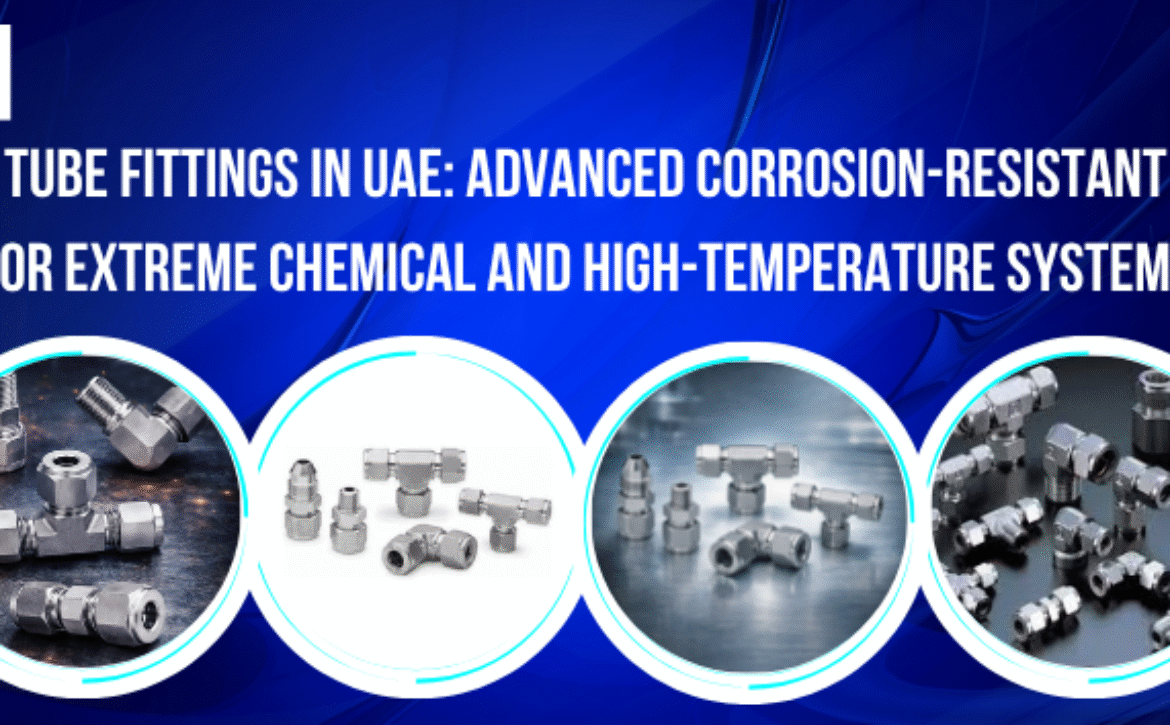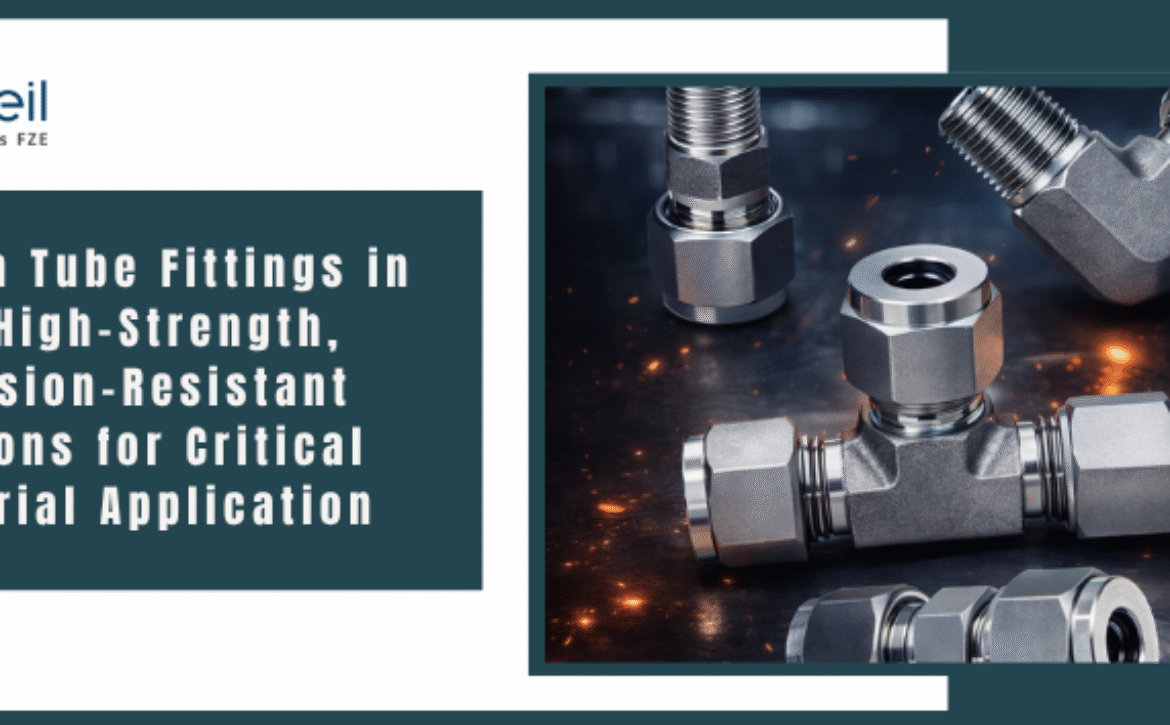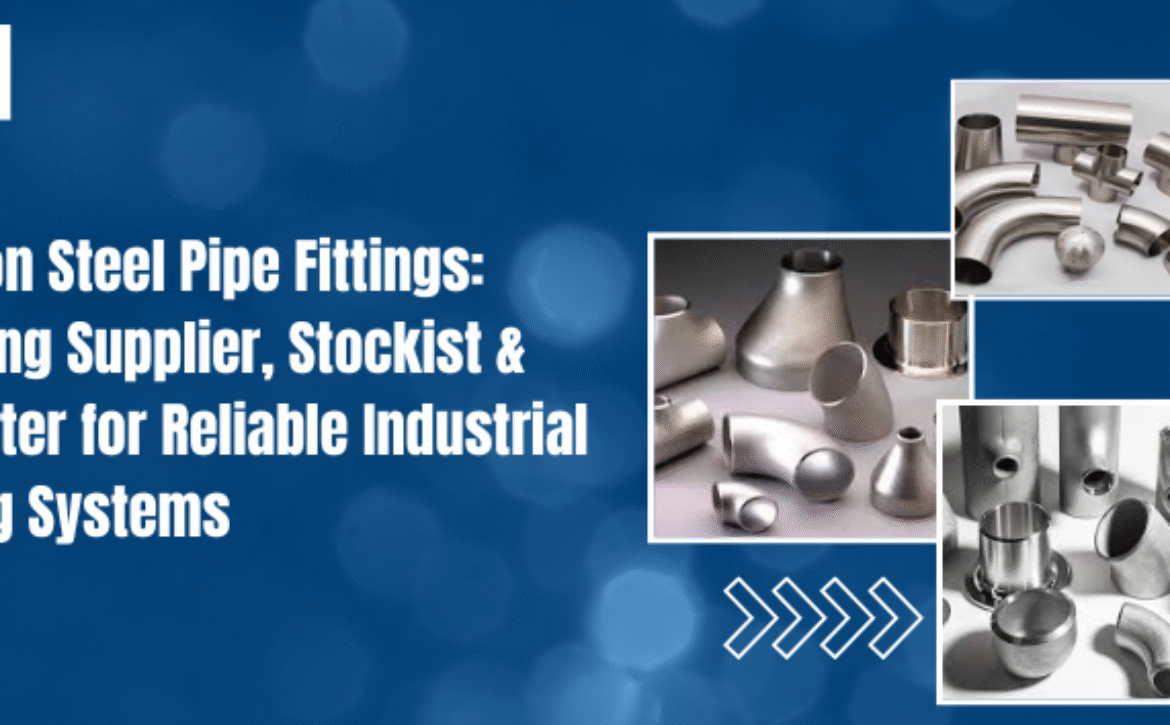
Carbon Steel Pipe Fittings: Leading Supplier, Stockist & Exporter for Reliable Industrial Piping Systems
Introduction: The Backbone of Industrial Piping
Let’s be honest—pipes alone don’t make a system work. It’s the fittings that control direction, flow, and pressure. If fittings fail, the entire pipeline becomes a risk.
That’s why carbon steel pipe fittings are a go-to solution across industries. A trusted supplier, stockist, and exporter ensures these fittings deliver strength, durability, and consistent performance even in demanding environments.
From oil & gas to infrastructure and power plants, industries rely on experienced carbon steel pipe fittings suppliers, stockists, and exporters to maintain efficiency and safety in their systems.
What Are Carbon Steel Pipe Fittings?
Carbon steel pipe fittings are mechanical components used to connect pipes, change direction, branch flow, or terminate pipelines. They are designed to withstand pressure, temperature, and mechanical stress.
Manufactured and distributed by leading suppliers, stockists, and exporters, these fittings are essential for both small-scale and large industrial piping systems.
Common Types of Pipe Fittings
- Elbows – Used to change direction (45°, 90°, 180°)
• Tees – Allow branching of pipelines
• Reducers – Connect pipes of different diameters
• Caps – Close the end of a pipeline
• Couplings – Join two pipes together
A reliable stockist and exporter ensures all types are available in multiple sizes and grades for immediate supply.
Why Carbon Steel Is Widely Used
Material selection directly impacts system performance. Carbon steel offers a strong balance of strength, cost, and durability.
Key Benefits
- High tensile strength for pressure applications
• Good resistance to wear and mechanical stress
• Suitable for moderate to high temperatures
• Cost-effective for large industrial projects
• Easy to weld and fabricate
This is why industries prefer sourcing from experienced suppliers, stockists, and exporters who ensure consistent quality.
Detailed Technical Specifications Table
| Parameter | Specification |
| Product Type | Carbon Steel Pipe Fittings |
| Standards | ASTM A234 / ASME SA234 |
| Grades | WPB, WP11, WP22 |
| Size Range | ½″ to 48″ NB |
| Wall Thickness | SCH 10 to SCH XXS |
| Type | Seamless / Welded |
| Manufacturing | Forged / Buttweld |
| End Connections | Plain / Beveled / Threaded |
| Surface Finish | Black / Galvanized / Coated |
Leading suppliers, stockists, and exporters ensure compliance with international standards and specifications.
Chemical Composition Table
| Grade | Carbon (%) | Chromium (%) | Molybdenum (%) | Key Advantage |
| WPB | ≤ 0.30 | — | — | General-purpose strength |
| WP11 | ≤ 0.15 | 1.0–1.5 | 0.44–0.65 | Heat resistance |
| WP22 | ≤ 0.15 | 2.0–2.5 | 0.87–1.13 | High-temperature durability |
These compositions are carefully controlled by top suppliers and exporters to ensure performance in critical environments.
Mechanical Properties Table
| Property | WPB | WP11 | WP22 |
| Tensile Strength | ≥ 415 MPa | ≥ 415 MPa | ≥ 415 MPa |
| Yield Strength | ≥ 240 MPa | ≥ 205 MPa | ≥ 205 MPa |
| Elongation | ≥ 20% | ≥ 20% | ≥ 20% |
| Temperature Range | Moderate | High | Very High |
A trusted stockist and exporter ensures consistent mechanical properties across all batches.
Manufacturing Process Explained
Leading suppliers, stockists, and exporters follow strict manufacturing steps to ensure quality:
Process Flow
- Selection of high-quality raw materials
• Heating and forging or forming
• Machining and shaping
• Heat treatment for strength and durability
• Surface finishing and coating
• Final inspection and testing
Each step ensures the fittings meet industrial performance standards.
Grade Comparison Table
| Grade | Strength | Temperature Resistance | Corrosion Resistance | Ideal Use |
| WPB | Medium | Moderate | Low | General piping |
| WP11 | Medium | High | Medium | Boilers & thermal systems |
| WP22 | High | Very High | Medium | Power plants & refineries |
Experienced suppliers, stockists, and exporters help industries select the right grade for their applications.
Additional Performance Comparison Table
| Factor | WPB | WP11 | WP22 |
| Cost | Low | Medium | High |
| Weldability | Excellent | Good | Good |
| Heat Resistance | Moderate | High | Very High |
| Pressure Handling | Medium | High | Very High |
| Service Life | Standard | Long | Very Long |
This comparison helps buyers choose the right fittings from reliable stockists and exporters.
Industrial Applications
Carbon steel pipe fittings are widely used across industries:
Oil & Gas Industry
Pipelines, refineries, and processing units
Power Plants
Boilers, steam lines, and heat exchangers
Petrochemical Industry
High-temperature chemical handling
Construction & Infrastructure
Structural piping systems
Water Treatment Plants
Fluid distribution systems
Industries rely on consistent supply from trusted suppliers, stockists, and exporters to ensure uninterrupted operations.
Key Advantages of Carbon Steel Pipe Fittings
Strength & Durability
Handles pressure and heavy loads
Thermal Resistance
Suitable for high-temperature environments
Cost Efficiency
Ideal for large-scale industrial use
Versatility
Available in multiple sizes and configurations
Ease of Installation
Simple welding and fabrication
These benefits make them a preferred choice from leading suppliers, stockists, and exporters.
Quality Testing and Assurance
Top suppliers, stockists, and exporters follow strict quality testing procedures:
- Hydrostatic pressure testing
• Ultrasonic and radiographic testing
• Chemical composition analysis
• Mechanical strength testing
• Dimensional inspection
This ensures reliability and performance in critical industrial systems.
Conclusion
Carbon steel pipe fittings play a crucial role in maintaining the strength and efficiency of industrial piping systems.
Working with a trusted supplier, stockist, and exporter ensures consistent quality, reliable supply, and long-term performance.
If your system involves high pressure, temperature, and continuous operation, choosing the right carbon steel pipe fittings stockist and exporter is what keeps everything running smoothly.