Manufacturer & Exporters of:
Instrumentation Pipe Fittings & Valves

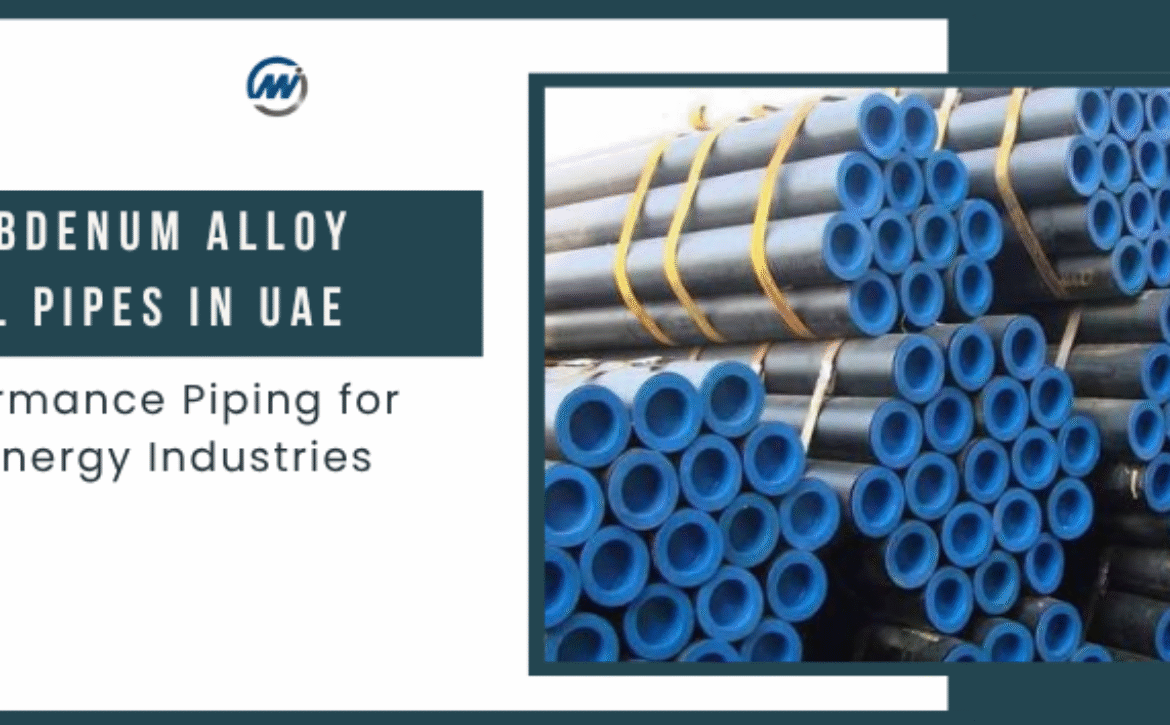
Molybdenum Alloy Steel Pipes in UAE: High-Performance Piping for Oil, Gas & Energy Industries

Introduction: Built for UAE’s Extreme Industrial Conditions

Let’s be practical—industries in the UAE don’t operate under normal conditions. High temperatures, continuous operations, and demanding environments mean materials must perform without compromise.

That’s why molybdenum alloy steel pipes (ASTM A335 P5, P9, P11, P22, P91) are widely used across the region. These pipes are engineered to handle extreme heat, pressure, and long operational cycles, making them ideal for oil refineries, petrochemical plants, and power generation systems.


What Are Molybdenum Alloy Steel Pipes?

ASTM A335 alloy steel pipes are seamless ferritic pipes designed specifically for high-temperature and high-pressure applications. They are often referred to as chrome moly pipes due to their chromium and molybdenum composition.

These pipes are manufactured as per ASTM A335 / ASME SA335 standards, ensuring consistent performance in critical industrial systems.

Key Features

  • Seamless construction for higher strength and reliability
    • Designed for extreme temperature environments
    • Suitable for welding, bending, and fabrication
    • Available in grades like P5, P9, P11, P22, P91

These pipes are widely used in industries such as power plants, refineries, and petrochemical units.


Why Chromium and Molybdenum Matter

The performance of these pipes comes from a carefully balanced alloy composition.

Key Elements

Element Function
Chromium (Cr) Improves oxidation and corrosion resistance
Molybdenum (Mo) Enhances high-temperature strength
Carbon (C) Adds hardness and durability
Manganese (Mn) Improves toughness

Molybdenum plays a key role in improving creep strength and resistance to deformation, which is critical for long-term high-temperature service.


Mechanical Properties That Deliver Reliability

These pipes are designed to maintain performance even under extreme stress.

Property Typical Value
Tensile Strength ≥ 415 MPa
Yield Strength ≥ 205 MPa
Temperature Resistance Up to ~750°C
Creep Resistance Excellent

They maintain structural integrity even during prolonged exposure to heat and pressure, making them ideal for industrial use.

Key Advantages of Molybdenum Alloy Steel Pipes

High Temperature Resistance

Ideal for boilers, furnaces, and steam pipelines.

Strong Under Pressure

Maintains stability in high-pressure systems.

Excellent Creep Resistance

Prevents deformation over long-term operation.

Corrosion and Oxidation Resistance

Chromium enhances durability in harsh environments.

Long Service Life

Reduces downtime and maintenance costs.


Technical Specifications Overview

Specification Details
Standard ASTM A335 / ASME SA335
Grades P5, P9, P11, P22, P91
Type Seamless Alloy Steel Pipe
Size Range ½″ to 36″ NB
Wall Thickness SCH 40 to SCH XXS
Manufacturing Hot Rolled / Cold Drawn
End Type Plain / Beveled / Threaded

These specifications ensure compatibility with large-scale industrial systems.


Industrial Applications in UAE

The UAE’s industrial ecosystem is heavily focused on energy, oil, and infrastructure—exactly where these pipes perform best.

Oil & Gas Industry

Used in refineries, offshore pipelines, and hydrocarbon transport.

Petrochemical Plants

Handles high-temperature and corrosive chemical processes.

Power Generation

Critical for boilers, superheaters, and steam lines.

Refineries

Used in cracking units and heat exchangers.

Industrial Projects & Infrastructure

Supports large-scale piping systems in heavy industries.

Grades like P11, P22, and P91 are commonly used in power and petrochemical industries, while P5 and P9 are widely used in refineries.


Understanding the Different Grades

ASTM A335 P5

  • Good oxidation resistance
    • Used in refineries and moderate high-temperature systems


ASTM A335 P9

  • Higher chromium content
    • Better heat resistance
    • Suitable for petrochemical applications


ASTM A335 P11

  • Balanced strength and durability
    • Widely used in boilers and power plants


ASTM A335 P22

  • Strong creep resistance
    • Ideal for high-pressure steam systems


ASTM A335 P91

  • Advanced alloy composition
    • Exceptional performance in extreme temperature environments


Quick Grade Comparison

Grade Key Strength Best Application
P5 Oxidation resistance Refineries
P9 Heat resistance Petrochemical plants
P11 Balanced strength Boilers
P22 High pressure resistance Power plants
P91 Extreme performance Advanced energy systems


Quality Testing and Assurance

To ensure safety and performance, these pipes undergo strict quality checks:

  • Chemical composition testing
    • Mechanical strength testing
    • Hydrostatic pressure testing
    • Ultrasonic and radiographic inspection
    • Positive Material Identification (PMI)
    • Dimensional inspection

These tests ensure consistent quality in demanding industrial environments.


Conclusion

Molybdenum alloy steel pipes (ASTM A335 P5, P9, P11, P22, P91) are designed for industries where heat, pressure, and reliability are non-negotiable. Their chromium-molybdenum composition delivers strength, durability, and resistance to extreme conditions.

In the UAE, where industries operate under intense environmental and operational stress, these pipes are essential for maintaining safe, efficient, and long-lasting piping systems.

If the requirement is high performance under extreme conditions, these pipes remain one of the most trusted solutions in modern industrial infrastructure.

Read More
admin April 4, 2026 0 Comments

Alloy Steel vs Stainless Steel Pipes: Key Differences and When to Use Each

In industrial projects, the choice of piping material directly affects performance, safety, and long-term cost. From high-temperature steam lines in power plants to corrosion-prone chemical processing units, every environment demands a material that can withstand its specific challenges. Alloy steel and stainless steel are two of the most widely used options because both offer superior properties compared to conventional carbon steel. However, their strengths are very different, and selecting the right one requires a clear understanding of how each material behaves in real operating conditions.

Why Does the Right Pipe Material Matter More Than You Think?

In industrial projects, piping is often seen as a standard component — until something goes wrong. A material that cannot handle the operating temperature, pressure, or surrounding environment can lead to unexpected shutdowns, rising maintenance costs, and serious safety risks.

That is why the debate between alloy steel and stainless steel pipes is not just a technical comparison. It is a decision that directly affects performance, durability, and the overall lifecycle cost of a project. Each material is designed for a different purpose, and understanding where it performs best is the key to building a reliable system.

What Makes Alloy Steel a Powerhouse for High-Temperature Applications?

Alloy steel is not just modified carbon steel — it is a material engineered for extreme service conditions. With the addition of elements such as chromium and molybdenum, it gains the strength required to operate under continuous high pressure and elevated temperatures.

This is the reason it is widely used in power plants, refineries, and petrochemical facilities. In these environments, pipes carry superheated steam or high-temperature process fluids for years without losing their structural stability. Ordinary materials would slowly deform under such conditions, but alloy steel maintains its strength and resists creep, making it a dependable solution for critical operations.

Why Is Stainless Steel the First Choice in Corrosive Environments?

While alloy steel is known for strength, stainless steel is known for survival in aggressive surroundings. Its chromium content forms a protective surface layer that shields it from rust, chemicals, and moisture. Even if the surface is scratched, the layer rebuilds itself, which is why stainless steel lasts so long in harsh environments.

This self-protecting property makes it the preferred material in desalination plants, marine pipelines, chemical processing units, and hygienic industries such as food and pharmaceuticals. In these sectors, corrosion resistance is not just an advantage — it is a necessity.

Stainless steel is selected when the environment itself is the biggest threat to the piping system.

Is Strength or Corrosion Resistance More Important for Your Application?

One of the most common mistakes in material selection is assuming that higher strength automatically means better performance. In reality, the operating environment decides what “better” actually means.

In high-temperature steam lines, alloy steel delivers unmatched reliability. In chemical transport pipelines exposed to corrosive media, stainless steel provides a longer and safer service life.

This is why these two materials are not competitors. They are solutions for completely different industrial challenges.

How Do They Perform in Real Industrial Conditions?

In power generation facilities, alloy steel proves its value every day. It operates for long periods under extreme heat without losing its shape or mechanical properties. This kind of performance is essential for maintaining efficiency and preventing costly downtime.

In contrast, stainless steel dominates in offshore and coastal installations where constant exposure to salt-laden air would quickly damage other materials. Its resistance to corrosion significantly reduces maintenance requirements and extends the life of the system.

Each material performs exceptionally — but only in the environment it was designed for.

What About Fabrication, Welding, and Installation?

From a fabrication perspective, stainless steel offers greater flexibility. It can be welded and formed into complex shapes with relative ease, which makes it suitable for projects with intricate piping layouts.

Alloy steel requires more controlled welding procedures, often involving preheating and post-weld heat treatment. While this adds time to the installation process, it ensures that the material retains its high-temperature strength and long-term reliability.

So the choice here is not about convenience — it is about ensuring performance in service.

Does the Higher Initial Cost Always Mean Higher Project Cost?

At first glance, stainless steel appears more expensive because of its alloying elements, particularly chromium and nickel. Alloy steel is often more economical for high-temperature applications where corrosion resistance is not the primary concern.

However, the real cost of a piping system is calculated over its entire life. In corrosive environments, stainless steel reduces maintenance, replacement, and downtime costs. In high-temperature service, alloy steel provides long-term durability and efficiency.

The smarter choice is the one that delivers the best lifecycle value, not just the lowest purchase price.

Where Is Each Material Commonly Used?

Alloy steel is the backbone of high-temperature and high-pressure systems. It is found in:

  • Thermal power plants
  • Refineries
  • Petrochemical processing units
  • High-pressure steam pipelines

Stainless steel, on the other hand, is essential in:

  • Chemical industries
  • Marine and offshore applications
  • Water treatment and desalination plants
  • Food and pharmaceutical processing

So, How Do You Make the Right Choice?

Selecting between alloy steel and stainless steel is not about choosing the stronger or more expensive option. It is about understanding the service conditions in detail — temperature, pressure, type of fluid, environmental exposure, and expected lifespan.

When these factors are evaluated correctly, the result is a piping system that performs efficiently, lasts longer, and requires less maintenance.

Conclusion: The Right Material Is the One That Matches the Environment

Alloy steel and stainless steel pipes are both engineered for performance, but their strengths lie in different areas. Alloy steel delivers unmatched reliability in high-temperature and high-pressure applications, while stainless steel provides exceptional durability in corrosive and moisture-rich environments.


Read More
admin February 13, 2026 0 Comments