Manufacturer & Exporters of:
Instrumentation Pipe Fittings & Valves

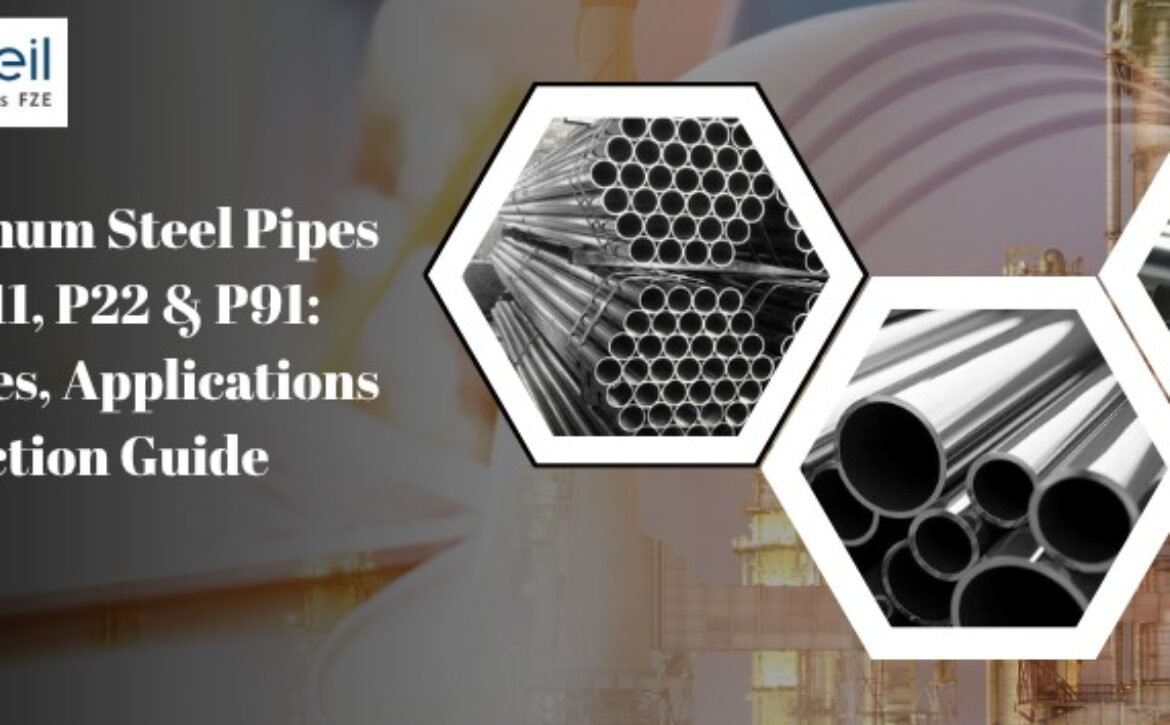
Molybdenum Steel Pipes P5, P9, P11, P22 & P91: Properties, Applications and Selection Guide


Molybdenum steel pipes are designed for industrial systems where conventional piping materials may not provide sufficient performance under sustained heat and pressure. The chromium-molybdenum P-series grades P5, P9, P11, P22, and P91 are commonly specified for high-temperature piping in power generation, refineries, boilers, steam systems, and other demanding process applications.
Mcneil Alloys manufactures and supplies these molybdenum-grade pipes from the UAE for local and export projects. Its product range covers ASTM A335 / ASME SA335 P5, P9, P11, P22, and P91 grades.

What Are Molybdenum Steel Pipes?

Molybdenum steel pipes are alloy steel pipes containing molybdenum, often alongside chromium and other alloying elements. These additions help the material retain strength when operating temperatures rise and the piping remains under load for extended periods.
The P-series grades are pressure-piping materials, with different grades intended for different levels of temperature, pressure, thermal stress, and long-term service requirements.
Mcneil Alloys supplies:
P5 Molybdenum Grade Pipes
P9 Molybdenum Grade Pipes
P11 Molybdenum Grade Pipes
P22 Molybdenum Grade Pipes
P91 Molybdenum Grade Pipes

Why Is Molybdenum Added to Alloy Steel Pipes?

Molybdenum helps alloy steel maintain its mechanical performance at elevated temperatures. This becomes particularly important when a piping system operates continuously under pressure and heat.
In practical terms, molybdenum-grade pipes are selected when the system needs:
High-temperature strength
Long-term structural stability
Resistance to deformation
Improved creep performance
Reliable operation under sustained thermal loads
The specific performance depends on the grade and its complete alloy chemistry.

Molybdenum Grade P5 Pipes

P5 is a chromium-molybdenum alloy steel pipe grade used for elevated-temperature service.
Mcneil Alloys lists P5 with approximately 4–6% chromium and 0.45–0.65% molybdenum. Its published technical information specifies a temperature range of up to 600°C, tensile strength of at least 415 MPa, yield strength of at least 205 MPa, and hardness up to 85 HRB.
Common Applications
P5 pipes are used in:
Refinery piping
Heat exchangers
Process systems
High-temperature industrial piping
P5 is generally considered where elevated temperature is present but operating conditions remain relatively steady.

Molybdenum Grade P9 Pipes

P9 contains a higher chromium and molybdenum content than P5.
Mcneil Alloys specifies approximately 8–10% chromium and 0.9–1.1% molybdenum, with a published temperature range up to 650°C. The listed minimum tensile strength is 415 MPa, minimum yield strength is 205 MPa, and maximum hardness is 90 HRB.
Applications
P9 pipes are commonly used in:
Hot process lines
Refinery units
Power-related installations
High-temperature piping systems
The grade is selected where prolonged high-temperature operation requires greater heat resistance than lower-alloy options.

Molybdenum Grade P11 Pipes

P11 is a widely used chromium-molybdenum grade for applications involving both elevated temperature and pressure.
Mcneil Alloys lists P11 with approximately 1–1.5% chromium and 0.44–0.65% molybdenum. Its published specifications give a temperature range up to 600°C, minimum tensile strength of 415 MPa, minimum yield strength of 205 MPa, and maximum hardness of 85 HRB.
Typical Applications
Boilers
Steam lines
Power plants
Industrial steam systems
High-temperature process piping
P11 is particularly useful where the piping system operates continuously under combined heat and pressure.

Molybdenum Grade P22 Pipes

P22 is a higher-alloy chromium-molybdenum pipe grade used for more demanding thermal and mechanical conditions.
Mcneil Alloys specifies approximately 1.9–2.6% chromium and 0.87–1.13% molybdenum for P22. The published technical data gives a temperature range up to 650°C, minimum tensile strength of 415 MPa, minimum yield strength of 205 MPa, and maximum hardness of 90 HRB.
Applications
P22 is commonly used for:
Main steam lines
Reheaters
Power systems
Refinery piping
High-load steam systems
The grade is particularly relevant where thermal cycling, stress, and long service life are major considerations.

Molybdenum Grade P91 Pipes

P91 is the highest-performance grade in Mcneil Alloys’ listed P-series range.
Its published composition includes approximately 8–9.5% chromium, 0.85–1.05% molybdenum, with vanadium and niobium. Mcneil Alloys lists a temperature range up to 700°C, minimum tensile strength of 620 MPa, minimum yield strength of 440 MPa, and maximum hardness of 100 HRB.
Applications
P91 pipes are used for severe service conditions, including:
Advanced power generation
Supercritical power plants
High-temperature steam systems
Critical power piping
Applications requiring long-term creep resistance
P91 is selected when temperature and pressure are particularly demanding and long-term structural stability is critical.

P5 vs P9 vs P11 vs P22 vs P91

Grade Chromium Molybdenum Mcneil Listed Temperature Range Typical Applications
P5 4–6% 0.45–0.65% Up to 600°C Refineries, heat exchangers
P9 8–10% 0.9–1.1% Up to 650°C Refineries, power systems
P11 1–1.5% 0.44–0.65% Up to 600°C Boilers, steam lines
P22 1.9–2.6% 0.87–1.13% Up to 650°C Main steam, reheaters
P91 8–9.5% 0.85–1.05% Up to 700°C Advanced power generation
The figures above follow Mcneil Alloys’ published product specifications. Actual allowable service conditions must be determined using the applicable design code, material specification, and project requirements.

Molybdenum Steel Pipes for Power Generation

Power plants are among the most important applications for P-series alloy steel pipes.
Steam systems can operate continuously at elevated temperatures and pressures, creating demanding conditions for piping materials.
Depending on the design requirements, molybdenum grades can be used in:
Boiler systems
Steam lines
Main steam piping
Reheaters
Superheaters
High-temperature power piping
Mcneil Alloys specifically identifies P11, P22, and P91 for increasingly demanding power-generation applications.

Molybdenum Pipes for Refineries

Refineries contain process lines that may remain hot for long periods.
Molybdenum-grade pipes can be used in suitable:
Hot process lines
Refinery units
Steam systems
Heat-transfer systems
High-temperature process piping
P5 and P9 are identified by Mcneil Alloys for refinery and hot-process applications, while P22 is listed for more demanding refinery services.

Molybdenum Pipes for Boilers and Steam Systems

Boiler and steam piping must maintain integrity while exposed to sustained temperature and pressure.
P11 is commonly used for boiler and steam-line applications, while P22 can be selected for more demanding steam systems involving higher stresses and thermal cycling.
The correct grade should always be established from the system’s design temperature, pressure, allowable stresses, code requirements, and service conditions.

Molybdenum Pipes for High-Temperature Process Systems

High-temperature industrial systems place continuous thermal loads on piping.
A suitable Cr-Mo grade can provide the required combination of:
Strength
Thermal stability
Resistance to deformation
Long-term service performance
This is why P-series pipes are generally specified for applications where standard piping materials are not sufficient for the operating conditions.

Benefits of Molybdenum Grade Pipes

High-Temperature Performance

Molybdenum alloying helps these pipes maintain useful mechanical performance at elevated temperatures.
Long-Term Strength
Grades such as P11, P22, and P91 are used where piping remains under heat and pressure for extended operating cycles.
Creep Resistance
Higher grades, particularly P91, are selected for applications where long-term creep resistance is a major design consideration.
Resistance to Thermal Stress
P22 and P91 can be considered for applications involving demanding temperature conditions and thermal cycling.
Industrial Versatility
The P-series range covers applications from refinery and heat-transfer systems through demanding power-generation applications.

ASTM A335 and ASME SA335 Standards

Mcneil Alloys lists ASTM A335 / ASME SA335 as the applicable standards for its P5, P9, P11, P22, and P91 molybdenum-grade pipes.
When specifying these pipes, buyers should confirm the complete project requirement, including:
Grade
Pipe size
Wall thickness
Schedule
Length
Heat-treatment condition
Testing requirements
Inspection requirements
Material certification
Traceability


How to Select the Right Molybdenum Pipe Grade


Grade selection should start with the actual operating conditions.
1. Operating Temperature
Determine normal and maximum operating temperature.
2. Operating Pressure
Confirm the design pressure and required wall thickness.
3. Service Duration
Continuous long-term service places different demands on the material than intermittent operation.
4. Thermal Cycling
Frequent heating and cooling should be considered when selecting the grade.
5. Process Medium
Review the chemical nature of the fluid and potential corrosion mechanisms.
6. Applicable Design Code
Confirm the relevant ASTM, ASME, project, EPC, or end-user requirements.
7. Inspection and Documentation
For critical applications, specify required:
Material test certificates
Chemical analysis
Mechanical testing
Heat-treatment records
NDE
PMI
Third-party inspection
Traceability documentation


Why Choose Mcneil Alloys for Molybdenum Steel Pipes?


Mcneil Alloys states that it manufactures and supplies P5, P9, P11, P22, and P91 molybdenum-grade pipes from the UAE for local and export projects. The company highlights grade selection, heat-treatment condition, testing, documentation, inspection coordination, and material traceability as part of its supply process.
The company is based in SAIF-Zone, Sharjah, UAE, and lists support for UAE projects as well as export orders.

Conclusion

Molybdenum steel pipes are an important choice for industrial piping systems that operate under sustained heat and pressure.
The P5, P9, P11, P22, and P91 grades provide different levels of chromium-molybdenum alloying and are used for different service requirements. P5 and P9 are used in refinery and high-temperature process applications, P11 is widely associated with boilers and steam systems, P22 is used for demanding steam and thermal applications, and P91 is intended for severe conditions such as advanced power-generation systems.
The right grade should never be selected based on temperature alone. Pressure, service duration, thermal cycling, process conditions, creep requirements, applicable codes, heat treatment, and inspection requirements all need to be considered.
Mcneil Alloys supplies ASTM A335 / ASME SA335 molybdenum-grade P5, P9, P11, P22, and P91 pipes in the UAE, supporting both local and export industrial projects.

Frequently Asked Questions


What are molybdenum steel pipes?
Molybdenum steel pipes are alloy steel pipes containing molybdenum and other alloying elements to improve performance in demanding temperature and pressure conditions.
Which molybdenum pipe grades does Mcneil Alloys supply?
Mcneil Alloys lists P5, P9, P11, P22, and P91 grades under its molybdenum steel pipe range.
What are P11 pipes commonly used for?
P11 pipes are commonly used in boilers, steam lines, power plants, and industrial steam systems where high temperature and pressure occur together.
What are P22 pipes used for?
P22 is used for demanding applications such as main steam lines, reheaters, power systems, and critical refinery piping where thermal cycling and durability are important.
What makes P91 different?
P91 is designed for more severe service conditions and is used in advanced power-generation systems where high temperature, pressure, and long-term creep resistance are critical.
What standards apply to these pipes?
Mcneil Alloys lists ASTM A335 / ASME SA335 for its P5, P9, P11, P22, and P91 molybdenum-grade pipes.
Are molybdenum pipes suitable for long-term operation?
Yes. The P-series grades are selected for long-term service in systems that remain under heat and pressure for extended operating cycles, provided the grade and design are appropriate for the actual conditions.
How do I choose between P5, P9, P11, P22 and P91?
Start with the operating temperature, pressure, service duration, thermal cycling, and application. Mcneil Alloys recommends discussing these operating conditions before finalizing the material grade.

Read More
admin August 26, 2026 0 Comments

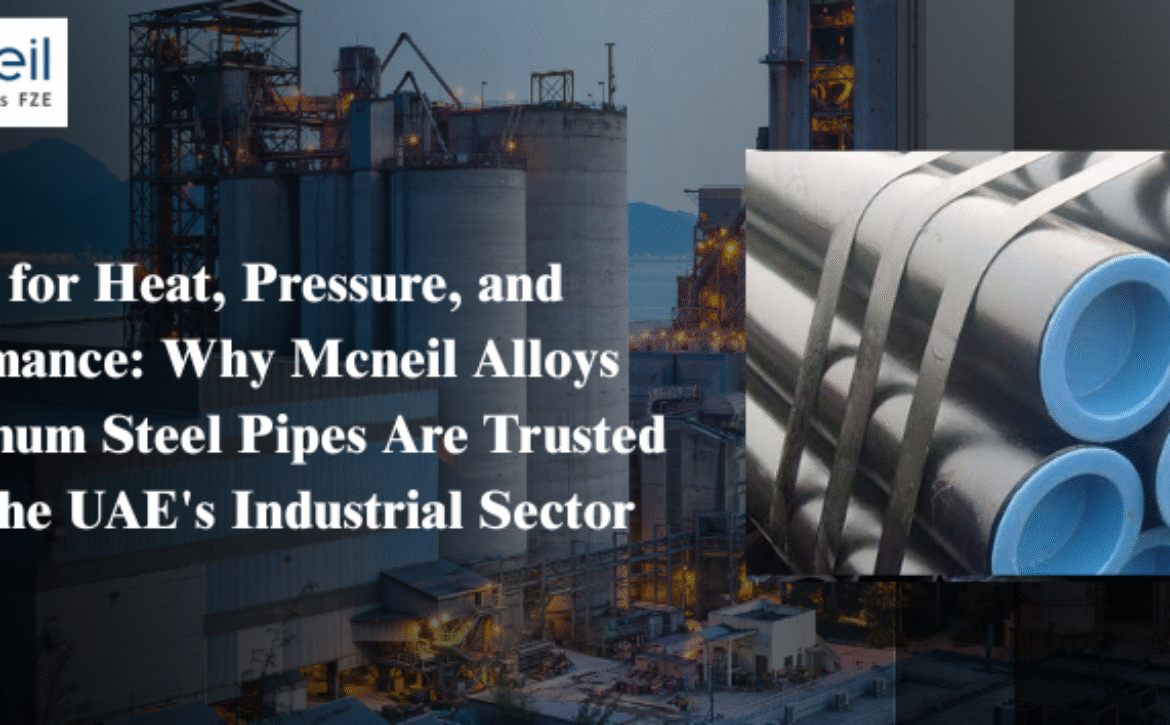
Built for Heat, Pressure, and Performance: Why Mcneil Alloys Molybdenum Steel Pipes Are Trusted Across the UAE’s Industrial Sector

Introduction

The UAE continues to be a global hub for oil & gas production, petrochemical processing, power generation, desalination projects, and industrial infrastructure development. As these industries expand, the demand for piping systems capable of withstanding extreme temperatures and high-pressure operating conditions continues to grow.

Standard piping materials often struggle in such environments, resulting in reduced efficiency, increased maintenance costs, and shorter service life.

This is where Mcneil Alloys Molybdenum Steel Pipes have become a preferred solution for critical industrial applications. Manufactured to meet ASTM A335 and ASME SA335 standards, these pipes are engineered to provide exceptional heat resistance, oxidation resistance, creep strength, and long-term reliability in demanding operating conditions.

The range includes:

  • P5 Molybdenum Steel Pipes
    • P9 Molybdenum Steel Pipes
    • P11 Molybdenum Steel Pipes
    • P22 Molybdenum Steel Pipes
    • P91 Molybdenum Steel Pipes

These grades are widely used across refineries, power plants, petrochemical facilities, and high-pressure steam systems throughout the UAE.


Why Molybdenum Steel Pipes Are Essential for Modern Industries

Industrial systems operating under elevated temperatures require materials that maintain their mechanical properties over long periods.

Molybdenum Steel Pipes provide:

  • Excellent creep resistance
    • Superior thermal stability
    • Outstanding oxidation resistance
    • High tensile strength
    • Excellent pressure handling capability
    • Long operational lifespan
    • Reduced maintenance requirements

The combination of chromium and molybdenum allows these pipes to perform efficiently in high-temperature and high-pressure environments where conventional carbon steel pipes may fail.


Mcneil Alloys: UAE Supplier of High-Performance Molybdenum Steel Pipes

Mcneil Alloys supplies a complete range of seamless alloy steel pipes manufactured for critical industrial applications.

The company’s product range includes:

  • ASTM A335 P5 Pipes
    • ASTM A335 P9 Pipes
    • ASTM A335 P11 Pipes
    • ASTM A335 P22 Pipes
    • ASTM A335 P91 Pipes
    • ASME SA335 Alloy Steel Pipes
    • Chrome Moly Pipes
    • Seamless Molybdenum Steel Pipes
    • High-Temperature Alloy Steel Pipes

These pipes are designed to comply with international quality standards and support demanding industrial projects across the UAE and global markets.


P5 Molybdenum Steel Pipes

Reliable Performance for Refinery and Process Applications

P5 Molybdenum Steel Pipes contain chromium and molybdenum that provide excellent resistance to oxidation and elevated temperatures.

Benefits

  • Superior oxidation resistance
    • Excellent thermal stability
    • Good corrosion resistance
    • Long service life

Applications

  • Refineries
    • Superheaters
    • Chemical Processing Plants
    • Heat Exchangers

P5 pipes are widely selected for moderate to high-temperature industrial environments.


P9 Molybdenum Steel Pipes

Enhanced Strength for High-Temperature Operations

P9 Molybdenum Steel Pipes offer increased chromium content, providing improved oxidation resistance and creep strength.

Advantages

  • Excellent heat resistance
    • Superior pressure capability
    • Enhanced creep resistance
    • Outstanding durability

Applications

  • Boilers
    • Petrochemical Plants
    • Thermal Power Stations
    • Steam Systems


P11 Molybdenum Steel Pipes

A Proven Solution for Power and Petrochemical Industries

Among the most widely used grades, P11 Pipes provide an ideal balance of strength, weldability, and temperature resistance.

Key Features

  • Good tensile strength
    • Excellent weldability
    • Reliable thermal performance
    • Superior mechanical properties

Applications

  • Power Plants
    • Industrial Pressure Vessels
    • Refineries
    • Process Piping Systems


P22 Molybdenum Steel Pipes

Engineered for Long-Term High-Pressure Service

P22 Molybdenum Steel Pipes are designed for environments where durability and thermal stability are critical.

Benefits

  • Excellent creep strength
    • Superior heat resistance
    • Outstanding pressure handling capability
    • Long operational life

Applications

  • Steam Pipelines
    • Power Generation Facilities
    • Heat Exchangers
    • Refinery Processing Units


P91 Molybdenum Steel Pipes

Advanced Alloy Steel Pipes for Extreme Conditions

P91 Molybdenum Steel Pipes represent one of the most advanced alloy steel grades available for high-temperature service.

Advantages

  • Exceptional high-temperature strength
    • Outstanding oxidation resistance
    • Superior creep rupture properties
    • Excellent fatigue resistance

Applications

  • Supercritical Power Plants
    • High-Pressure Steam Systems
    • Energy Infrastructure Projects
    • Petrochemical Facilities

P91 pipes are commonly used in applications requiring temperatures up to approximately 700°C and exceptional long-term reliability.


Why Seamless Molybdenum Steel Pipes Offer Superior Reliability

Mcneil Alloys supplies seamless alloy steel pipes designed for critical applications.

Benefits of Seamless Construction

  • Uniform wall thickness
    • Higher pressure capability
    • Better structural integrity
    • Improved safety performance
    • Reduced risk of leakage

Seamless pipes remain the preferred option for high-pressure and high-temperature systems throughout the energy and petrochemical sectors.


Industries Driving Demand in the UAE

Oil & Gas Industry

Used in:

  • Refineries
    • Gas Processing Facilities
    • Offshore Projects
    • Pipeline Systems


Petrochemical Industry

Supports:

  • Process Heaters
    • Chemical Processing Units
    • Reactor Systems
    • High-Temperature Applications


Power Generation Industry

Used in:

  • Boilers
    • Superheaters
    • Steam Pipelines
    • Turbine Systems


Desalination Plants

Provides reliable performance in high-temperature water treatment operations.


Energy Infrastructure Projects

Supports major industrial developments across the UAE.


Technical Specifications

Parameter Specification
Product Molybdenum Steel Pipes
Standards ASTM A335 / ASME SA335
Grades P5, P9, P11, P22, P91
Type Seamless Alloy Steel Pipes
Service High Temperature & High Pressure
Applications Power, Petrochemical, Oil & Gas


Quality Assurance at Mcneil Alloys

Every Molybdenum Steel Pipe undergoes rigorous inspection procedures including:

  • Hydrostatic Testing
    • Ultrasonic Testing
    • PMI Testing
    • Mechanical Testing
    • Hardness Testing
    • Dimensional Inspection
    • Material Traceability Verification

These testing procedures help ensure compliance with international quality standards and dependable field performance.


Conclusion

As the UAE continues investing in energy infrastructure, petrochemical expansion, refinery modernization, and power generation projects, the need for reliable high-temperature piping solutions continues to grow.

Whether it is P5 Molybdenum Steel Pipes, P9 Molybdenum Steel Pipes, P11 Molybdenum Steel Pipes, P22 Molybdenum Steel Pipes, or P91 Molybdenum Steel Pipes, Mcneil Alloys delivers advanced alloy steel piping solutions engineered to perform in the world’s most demanding industrial environments.

From steam systems and power plants to petrochemical facilities and refinery operations, Mcneil Alloys Molybdenum Steel Pipes continue to support critical infrastructure with exceptional strength, durability, and long-term reliability.

Read More
admin June 24, 2026 0 Comments

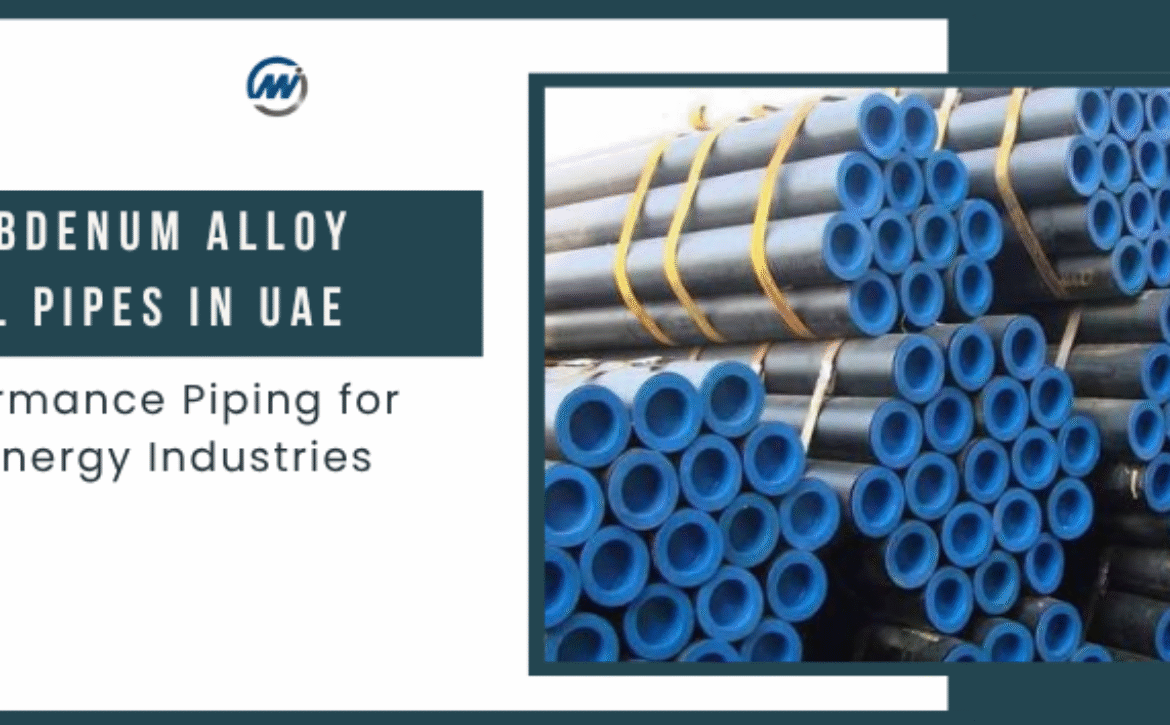
Molybdenum Alloy Steel Pipes in UAE: High-Performance Piping for Oil, Gas & Energy Industries

Introduction: Built for UAE’s Extreme Industrial Conditions

Let’s be practical—industries in the UAE don’t operate under normal conditions. High temperatures, continuous operations, and demanding environments mean materials must perform without compromise.

That’s why molybdenum alloy steel pipes (ASTM A335 P5, P9, P11, P22, P91) are widely used across the region. These pipes are engineered to handle extreme heat, pressure, and long operational cycles, making them ideal for oil refineries, petrochemical plants, and power generation systems.


What Are Molybdenum Alloy Steel Pipes?

ASTM A335 alloy steel pipes are seamless ferritic pipes designed specifically for high-temperature and high-pressure applications. They are often referred to as chrome moly pipes due to their chromium and molybdenum composition.

These pipes are manufactured as per ASTM A335 / ASME SA335 standards, ensuring consistent performance in critical industrial systems.

Key Features

  • Seamless construction for higher strength and reliability
    • Designed for extreme temperature environments
    • Suitable for welding, bending, and fabrication
    • Available in grades like P5, P9, P11, P22, P91

These pipes are widely used in industries such as power plants, refineries, and petrochemical units.


Why Chromium and Molybdenum Matter

The performance of these pipes comes from a carefully balanced alloy composition.

Key Elements

Element Function
Chromium (Cr) Improves oxidation and corrosion resistance
Molybdenum (Mo) Enhances high-temperature strength
Carbon (C) Adds hardness and durability
Manganese (Mn) Improves toughness

Molybdenum plays a key role in improving creep strength and resistance to deformation, which is critical for long-term high-temperature service.


Mechanical Properties That Deliver Reliability

These pipes are designed to maintain performance even under extreme stress.

Property Typical Value
Tensile Strength ≥ 415 MPa
Yield Strength ≥ 205 MPa
Temperature Resistance Up to ~750°C
Creep Resistance Excellent

They maintain structural integrity even during prolonged exposure to heat and pressure, making them ideal for industrial use.

Key Advantages of Molybdenum Alloy Steel Pipes

High Temperature Resistance

Ideal for boilers, furnaces, and steam pipelines.

Strong Under Pressure

Maintains stability in high-pressure systems.

Excellent Creep Resistance

Prevents deformation over long-term operation.

Corrosion and Oxidation Resistance

Chromium enhances durability in harsh environments.

Long Service Life

Reduces downtime and maintenance costs.


Technical Specifications Overview

Specification Details
Standard ASTM A335 / ASME SA335
Grades P5, P9, P11, P22, P91
Type Seamless Alloy Steel Pipe
Size Range ½″ to 36″ NB
Wall Thickness SCH 40 to SCH XXS
Manufacturing Hot Rolled / Cold Drawn
End Type Plain / Beveled / Threaded

These specifications ensure compatibility with large-scale industrial systems.


Industrial Applications in UAE

The UAE’s industrial ecosystem is heavily focused on energy, oil, and infrastructure—exactly where these pipes perform best.

Oil & Gas Industry

Used in refineries, offshore pipelines, and hydrocarbon transport.

Petrochemical Plants

Handles high-temperature and corrosive chemical processes.

Power Generation

Critical for boilers, superheaters, and steam lines.

Refineries

Used in cracking units and heat exchangers.

Industrial Projects & Infrastructure

Supports large-scale piping systems in heavy industries.

Grades like P11, P22, and P91 are commonly used in power and petrochemical industries, while P5 and P9 are widely used in refineries.


Understanding the Different Grades

ASTM A335 P5

  • Good oxidation resistance
    • Used in refineries and moderate high-temperature systems


ASTM A335 P9

  • Higher chromium content
    • Better heat resistance
    • Suitable for petrochemical applications


ASTM A335 P11

  • Balanced strength and durability
    • Widely used in boilers and power plants


ASTM A335 P22

  • Strong creep resistance
    • Ideal for high-pressure steam systems


ASTM A335 P91

  • Advanced alloy composition
    • Exceptional performance in extreme temperature environments


Quick Grade Comparison

Grade Key Strength Best Application
P5 Oxidation resistance Refineries
P9 Heat resistance Petrochemical plants
P11 Balanced strength Boilers
P22 High pressure resistance Power plants
P91 Extreme performance Advanced energy systems


Quality Testing and Assurance

To ensure safety and performance, these pipes undergo strict quality checks:

  • Chemical composition testing
    • Mechanical strength testing
    • Hydrostatic pressure testing
    • Ultrasonic and radiographic inspection
    • Positive Material Identification (PMI)
    • Dimensional inspection

These tests ensure consistent quality in demanding industrial environments.


Conclusion

Molybdenum alloy steel pipes (ASTM A335 P5, P9, P11, P22, P91) are designed for industries where heat, pressure, and reliability are non-negotiable. Their chromium-molybdenum composition delivers strength, durability, and resistance to extreme conditions.

In the UAE, where industries operate under intense environmental and operational stress, these pipes are essential for maintaining safe, efficient, and long-lasting piping systems.

If the requirement is high performance under extreme conditions, these pipes remain one of the most trusted solutions in modern industrial infrastructure.

Read More
admin April 4, 2026 0 Comments