Manufacturer & Exporters of:
Instrumentation Pipe Fittings & Valves

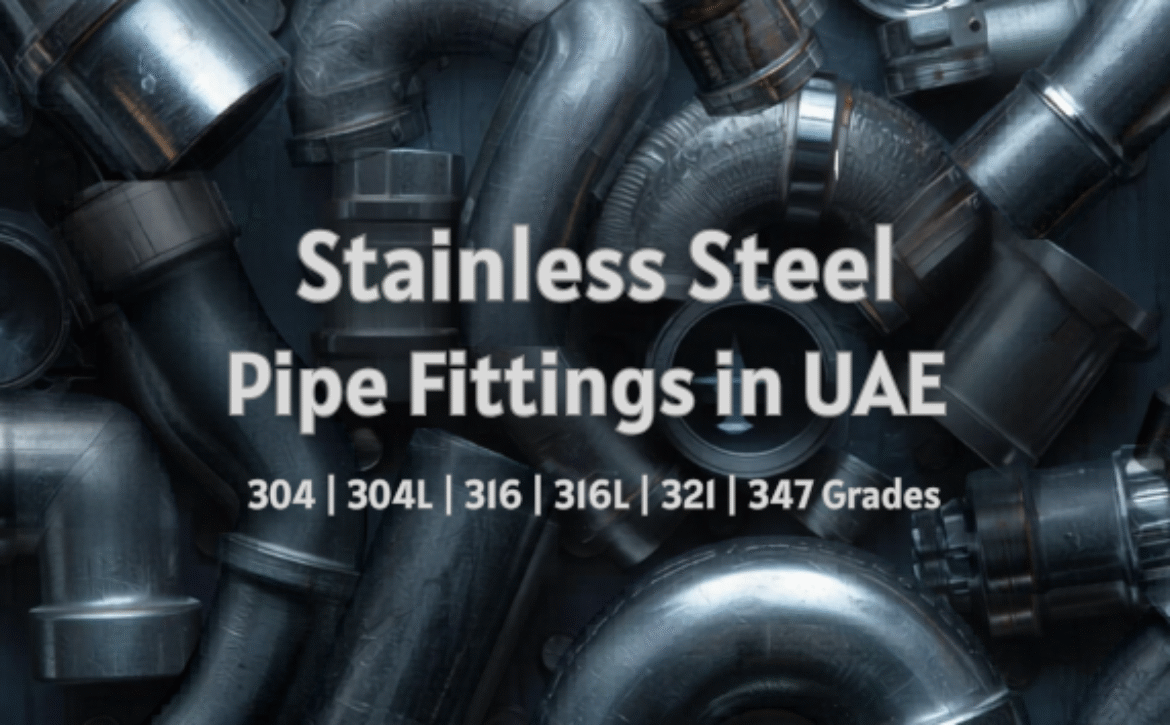
Stainless Steel Pipe Fittings Manufacturer & Supplier – Premium 304, 304L, 316, 316L, 321, 347 by Mcneil Alloys

Introduction

In today’s high-performance industrial environment, selecting the right pipe fittings is essential for ensuring strength, corrosion resistance, and long-term operational efficiency. Industries such as oil & gas, petrochemical, construction, and power generation demand materials that can withstand extreme pressure, temperature, and corrosive conditions.

If you are searching for a trusted stainless steel pipe fittings manufacturer and supplier, Mcneil Alloys is a leading name offering premium-quality stainless steel pipe fittings in grades 304, 304L, 316, 316L, 321, and 347.

These fittings are engineered to deliver exceptional durability, precision, and performance, making them ideal for critical industrial applications.

Why Choose Mcneil Alloys for Stainless Steel Pipe Fittings?

Choosing the right manufacturer ensures reliability and efficiency. Mcneil Alloys is trusted globally for delivering high-quality stainless steel pipe fittings with superior performance.

Key Highlights

✔ Wide range of stainless steel pipe fittings
✔ Premium-grade raw materials
✔ Advanced manufacturing technology
✔ Strict quality testing and inspection
✔ Competitive pricing and timely delivery
✔ Custom sizes and specifications available

Their focus is on delivering precision-engineered fittings that meet international standards.

What are Stainless Steel Pipe Fittings?

Stainless steel pipe fittings are essential components used to connect, control, and direct the flow of fluids in piping systems.

Key Benefits

  • High corrosion resistance
  • Excellent strength and durability
  • Heat and pressure resistance
  • Long service life
  • Low maintenance

These properties make stainless steel fittings ideal for industrial and commercial applications.

Stainless Steel Pipe Fittings Grades Offered

Mcneil Alloys manufactures a comprehensive range of grades:

1. Stainless Steel 304 Pipe Fittings

  • General-purpose stainless steel
  • Good corrosion resistance
  • Widely used in industrial piping systems

2. Stainless Steel 304L Pipe Fittings

  • Low carbon content
  • Improved weldability
  • Reduced risk of corrosion after welding

3. Stainless Steel 316 Pipe Fittings

  • Enhanced corrosion resistance
  • Suitable for marine and chemical environments
  • Contains molybdenum for better performance

4. Stainless Steel 316L Pipe Fittings

  • Low carbon version of 316
  • Excellent resistance to corrosion
  • Ideal for high-temperature applications

5. Stainless Steel 321 Pipe Fittings

  • Stabilized with titanium
  • Excellent resistance to high temperatures
  • Suitable for heat exchangers

6. Stainless Steel 347 Pipe Fittings

  • Stabilized with niobium
  • Resistant to intergranular corrosion
  • Ideal for high-pressure applications

Applications of Stainless Steel Pipe Fittings

Stainless steel pipe fittings are widely used in:

  • Oil & Gas Industry
  • Petrochemical Plants
  • Chemical Processing Units
  • Power Generation Plants
  • Marine & Offshore Applications
  • Construction & Infrastructure

Their ability to perform in extreme and corrosive environments makes them highly reliable.

Features of Stainless Steel Pipe Fittings

1. Superior Corrosion Resistance

Designed to resist rust, oxidation, and chemical corrosion.

2. High Strength & Durability

Ensures long-term performance under high pressure and temperature.

3. Excellent Weldability

Easy to install and fabricate for complex piping systems.

4. Temperature Resistance

Performs efficiently in both high and low-temperature environments.

5. Cost-Effective Solution

Long lifespan reduces maintenance and replacement costs.

Manufacturing & Quality Standards

Mcneil Alloys follows strict quality control processes:

  • Use of certified raw materials
  • Advanced manufacturing techniques
  • Non-destructive testing (NDT)
  • Dimensional and pressure testing
  • Compliance with international standards

This ensures consistent quality and high performance in every product.

Custom Stainless Steel Fittings Solutions

Every industry has unique requirements. Mcneil Alloys offers:

  • Custom sizes and dimensions
  • Tailored specifications
  • Bulk supply capabilities
  • Export-quality packaging

This makes them a preferred stainless steel pipe fittings supplier globally.

Benefits of Choosing Mcneil Alloys Pipe Fittings

By choosing Mcneil Alloys, you get:

📊 High strength and durability
💰 Reduced maintenance costs
📉 Excellent corrosion resistance
⚙️ Reliable industrial performance
🌍 Long-lasting piping solutions

Why Mcneil Alloys is a Trusted Manufacturer

Industries worldwide rely on Mcneil Alloys for quality, precision, and reliability.

Key Reasons

  • Proven industry expertise
  • Advanced manufacturing infrastructure
  • Competitive pricing
  • Timely delivery
  • Strong customer support

Their commitment is to deliver high-performance stainless steel pipe fittings for critical applications.

Results You Can Expect

With premium stainless steel pipe fittings, your business can achieve:

📈 Improved operational efficiency
📊 Reduced downtime
💼 Enhanced system reliability
💰 Long-term cost savings

Get the Best Stainless Steel Pipe Fittings Today

Looking for a reliable stainless steel pipe fittings manufacturer and supplier?

Company Name: Mcneil Alloys
Website: https://mcneilalloys.ae/

👉 Partner with Mcneil Alloys for high-quality, durable, and performance-driven piping solutions.

FAQs – Stainless Steel Pipe Fittings

1. What are stainless steel pipe fittings used for?

They are used to connect and control flow in piping systems across industries.

2. Which grade is best for corrosion resistance?

316 and 316L offer superior corrosion resistance.

3. Do you provide customized fittings?

Yes, Mcneil Alloys offers custom sizes and specifications.

4. Are these fittings suitable for high-temperature use?

Yes, grades like 321 and 347 are ideal for high-temperature environments.

5. What industries use these fittings?

Oil & gas, chemical, marine, power, and construction industries.

6. Do you supply internationally?

Yes, Mcneil Alloys exports globally with high-quality standards.

Read More
admin April 16, 2026 0 Comments

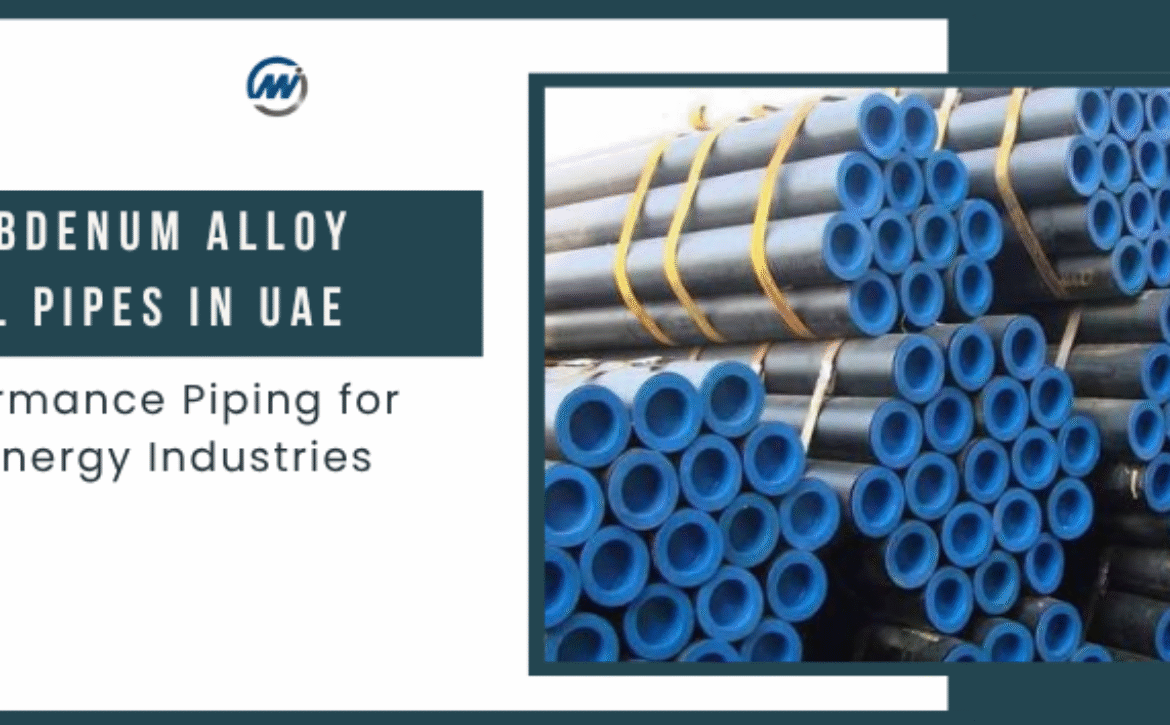
Molybdenum Alloy Steel Pipes in UAE: High-Performance Piping for Oil, Gas & Energy Industries

Introduction: Built for UAE’s Extreme Industrial Conditions

Let’s be practical—industries in the UAE don’t operate under normal conditions. High temperatures, continuous operations, and demanding environments mean materials must perform without compromise.

That’s why molybdenum alloy steel pipes (ASTM A335 P5, P9, P11, P22, P91) are widely used across the region. These pipes are engineered to handle extreme heat, pressure, and long operational cycles, making them ideal for oil refineries, petrochemical plants, and power generation systems.


What Are Molybdenum Alloy Steel Pipes?

ASTM A335 alloy steel pipes are seamless ferritic pipes designed specifically for high-temperature and high-pressure applications. They are often referred to as chrome moly pipes due to their chromium and molybdenum composition.

These pipes are manufactured as per ASTM A335 / ASME SA335 standards, ensuring consistent performance in critical industrial systems.

Key Features

  • Seamless construction for higher strength and reliability
    • Designed for extreme temperature environments
    • Suitable for welding, bending, and fabrication
    • Available in grades like P5, P9, P11, P22, P91

These pipes are widely used in industries such as power plants, refineries, and petrochemical units.


Why Chromium and Molybdenum Matter

The performance of these pipes comes from a carefully balanced alloy composition.

Key Elements

Element Function
Chromium (Cr) Improves oxidation and corrosion resistance
Molybdenum (Mo) Enhances high-temperature strength
Carbon (C) Adds hardness and durability
Manganese (Mn) Improves toughness

Molybdenum plays a key role in improving creep strength and resistance to deformation, which is critical for long-term high-temperature service.


Mechanical Properties That Deliver Reliability

These pipes are designed to maintain performance even under extreme stress.

Property Typical Value
Tensile Strength ≥ 415 MPa
Yield Strength ≥ 205 MPa
Temperature Resistance Up to ~750°C
Creep Resistance Excellent

They maintain structural integrity even during prolonged exposure to heat and pressure, making them ideal for industrial use.

Key Advantages of Molybdenum Alloy Steel Pipes

High Temperature Resistance

Ideal for boilers, furnaces, and steam pipelines.

Strong Under Pressure

Maintains stability in high-pressure systems.

Excellent Creep Resistance

Prevents deformation over long-term operation.

Corrosion and Oxidation Resistance

Chromium enhances durability in harsh environments.

Long Service Life

Reduces downtime and maintenance costs.


Technical Specifications Overview

Specification Details
Standard ASTM A335 / ASME SA335
Grades P5, P9, P11, P22, P91
Type Seamless Alloy Steel Pipe
Size Range ½″ to 36″ NB
Wall Thickness SCH 40 to SCH XXS
Manufacturing Hot Rolled / Cold Drawn
End Type Plain / Beveled / Threaded

These specifications ensure compatibility with large-scale industrial systems.


Industrial Applications in UAE

The UAE’s industrial ecosystem is heavily focused on energy, oil, and infrastructure—exactly where these pipes perform best.

Oil & Gas Industry

Used in refineries, offshore pipelines, and hydrocarbon transport.

Petrochemical Plants

Handles high-temperature and corrosive chemical processes.

Power Generation

Critical for boilers, superheaters, and steam lines.

Refineries

Used in cracking units and heat exchangers.

Industrial Projects & Infrastructure

Supports large-scale piping systems in heavy industries.

Grades like P11, P22, and P91 are commonly used in power and petrochemical industries, while P5 and P9 are widely used in refineries.


Understanding the Different Grades

ASTM A335 P5

  • Good oxidation resistance
    • Used in refineries and moderate high-temperature systems


ASTM A335 P9

  • Higher chromium content
    • Better heat resistance
    • Suitable for petrochemical applications


ASTM A335 P11

  • Balanced strength and durability
    • Widely used in boilers and power plants


ASTM A335 P22

  • Strong creep resistance
    • Ideal for high-pressure steam systems


ASTM A335 P91

  • Advanced alloy composition
    • Exceptional performance in extreme temperature environments


Quick Grade Comparison

Grade Key Strength Best Application
P5 Oxidation resistance Refineries
P9 Heat resistance Petrochemical plants
P11 Balanced strength Boilers
P22 High pressure resistance Power plants
P91 Extreme performance Advanced energy systems


Quality Testing and Assurance

To ensure safety and performance, these pipes undergo strict quality checks:

  • Chemical composition testing
    • Mechanical strength testing
    • Hydrostatic pressure testing
    • Ultrasonic and radiographic inspection
    • Positive Material Identification (PMI)
    • Dimensional inspection

These tests ensure consistent quality in demanding industrial environments.


Conclusion

Molybdenum alloy steel pipes (ASTM A335 P5, P9, P11, P22, P91) are designed for industries where heat, pressure, and reliability are non-negotiable. Their chromium-molybdenum composition delivers strength, durability, and resistance to extreme conditions.

In the UAE, where industries operate under intense environmental and operational stress, these pipes are essential for maintaining safe, efficient, and long-lasting piping systems.

If the requirement is high performance under extreme conditions, these pipes remain one of the most trusted solutions in modern industrial infrastructure.

Read More
admin April 4, 2026 0 Comments

Pressure Rating Explained: What Class 150, 300, 600 Really Means?


In industrial piping systems, terms like Class 150, Class 300, and Class 600 frequently appear in specifications,
purchase orders, and technical discussions. While these numbers are widely used, they are often misunderstood.

At Mcneil Alloys, we work closely with clients across the UAE and GCC to ensure the correct
selection of pressure-rated components for critical applications.

What is Pressure Rating?

Pressure rating refers to the maximum pressure a flange or fitting can safely withstand at a given temperature.

  • As temperature increases, pressure tolerance decreases
  • Ratings are defined by standards such as ASME B16.5
  • Pressure classes represent ranges, not exact PSI values

This means that a Class 300 flange does not mean it can handle exactly 300 PSI.

Understanding Class 150, 300, and 600

Class 150 – Low to Moderate Pressure Applications

  • Approx. up to 285 PSI at ambient temperature
  • Lightweight and cost-effective
  • Used in water systems, HVAC, and low-pressure oil lines

Class 300 – Medium Pressure Applications

  • Approx. up to 740 PSI at ambient temperature
  • Stronger and more durable
  • Used in chemical plants, petrochemical industries, and steam systems

Class 600 – Ideal for critical high-pressure operations

  • Approx. up to 1480 PSI at ambient temperature
  • Heavy-duty construction
  • Used in oil & gas, steam lines, and power plants

Why Temperature Matters

Temperature plays a major role in pressure capacity.

  • A Class 300 flange at 38°C may handle around 740 PSI
  • At 400°C, its pressure capacity drops significantly

This happens because materials lose strength at higher temperatures.

Material Selection is Equally Important

Pressure rating is influenced not only by class but also by the material used.

  • Carbon Steel – Standard industrial applications
  • Stainless Steel – Corrosion resistance
  • Alloy / Duplex Steel – High strength and harsh environments

Common Mistakes to Avoid

  • Assuming Class 300 equals 300 PSI
  • Ignoring temperature effects
  • Choosing lower class only to reduce cost
  • Not matching ratings across components

How to Choose the Right Pressure Class

  • Operating pressure
  • Maximum temperature
  • Type of fluid
  • Industry standards
  • Application criticality

How Mcneil Alloys Supports Your Projects

  • Expert guidance based on ASME standards
  • Wide range from Class 150 to 2500
  • Materials: Carbon Steel, Stainless Steel, Duplex, Alloy
  • Fast delivery across UAE & GCC

Final Thoughts

Understanding pressure ratings is essential for safety, performance, and long-term reliability.

  • Efficient system operation
  • Reduced maintenance
  • Improved safety

If you’re unsure which pressure class is right for your application, expert guidance can make all the difference.


Read More
admin March 23, 2026 0 Comments