Manufacturer & Exporters of:
Instrumentation Pipe Fittings & Valves

Category: Pipes

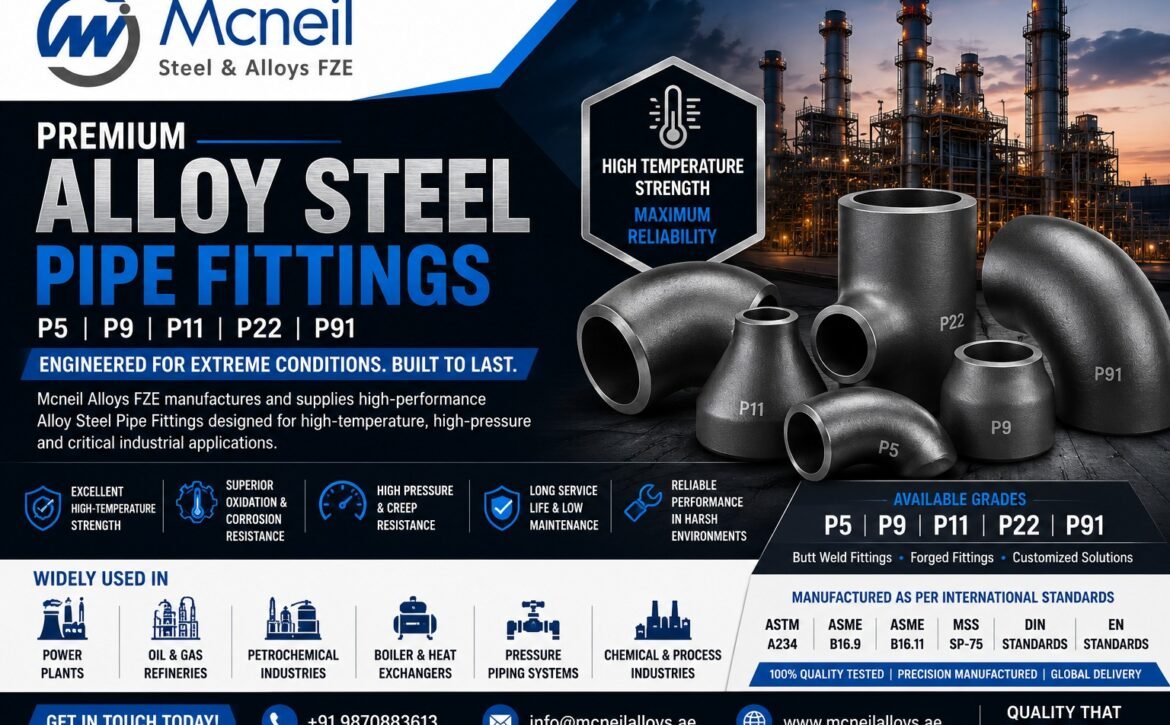
Built for Desert Heat & Industrial Pressure: Why Chrome Moly Pipes Are Essential for UAE Industries

Introduction: UAE Industries Need More Than Standard Pipes

Let’s get straight to it—operating in the UAE isn’t easy on materials. High ambient temperatures, aggressive industrial environments, and continuous production cycles demand piping systems that can handle extreme conditions without compromise.

That’s where chrome moly pipes (ASTM A335 P grades) come in. A trusted manufacturer, supplier, and exporter ensures these pipes deliver exceptional strength, thermal stability, and long-term reliability.

Across oil & gas, petrochemical, and power sectors in the UAE, industries rely on experienced chrome moly pipe manufacturers, suppliers, and exporters to maintain performance under pressure.


What Are Chrome Moly Pipes?

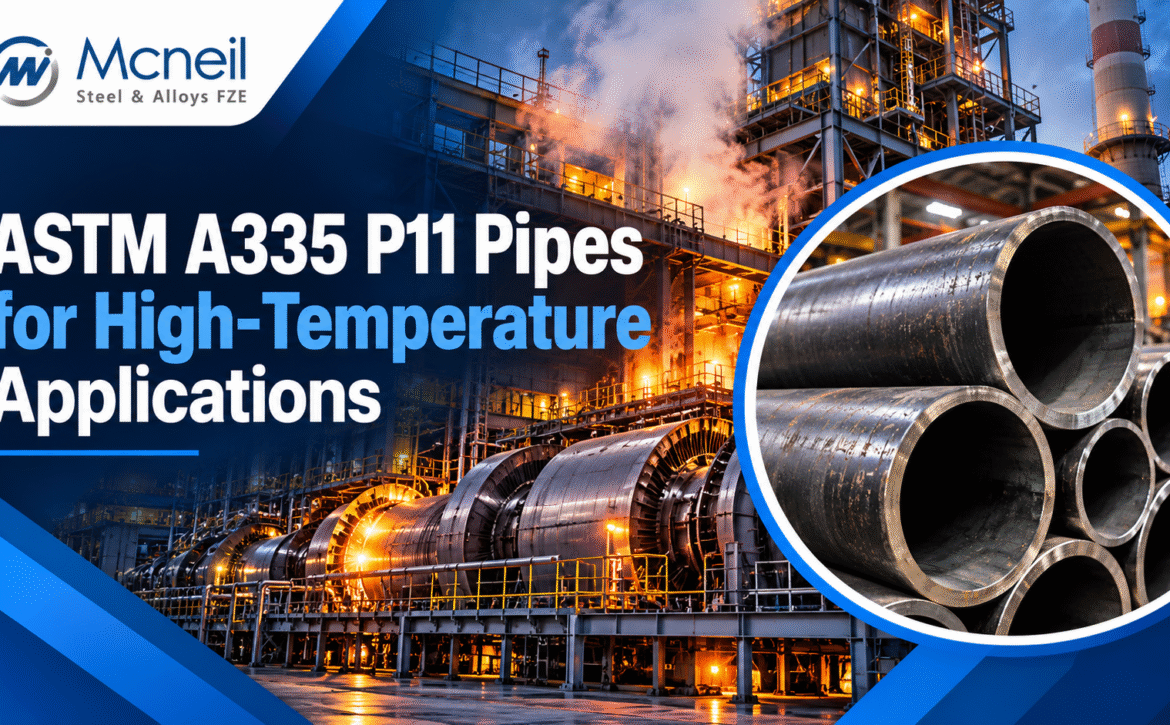
Chrome moly pipes are seamless alloy steel pipes made with chromium and molybdenum, designed specifically for high-temperature and high-pressure applications.

These pipes are widely used in environments where standard carbon steel fails due to heat and stress.

Why Chromium & Molybdenum Matter

  • Chromium improves oxidation and corrosion resistance
    • Molybdenum enhances strength at high temperatures
    • Provides excellent creep resistance under long-term heat exposure
    • Maintains structural integrity in extreme environments

This combination makes chrome moly pipes a preferred choice from reliable manufacturers, suppliers, and exporters.


Technical Specifications Table

Parameter Specification
Standard ASTM A335 / ASME SA335
Pipe Type Seamless Alloy Steel Pipe
Grades P5, P9, P11, P22, P91
Size Range ½″ to 36″ NB
Thickness SCH 20 to SCH XXS
Temperature Range Up to 540°C – 750°C
Manufacturing Hot Rolled / Cold Drawn
Application High-pressure & high-temperature systems

Leading manufacturers, suppliers, and exporters ensure these pipes meet international standards required in UAE industries.


Mechanical Properties Table

Property P5 / P9 / P11 / P22 P91
Tensile Strength ≥ 415 MPa ≥ 585 MPa
Yield Strength ≥ 205 MPa ≥ 415 MPa
Heat Resistance High Very High
Creep Resistance Good Excellent

P91 is especially suitable for advanced applications where extreme heat and pressure are involved.


Grade Comparison Table

Grade Key Feature Strength Temperature Resistance Best Application
P5 Oxidation resistance Medium High Refineries
P9 Higher alloy strength High Very High Petrochemical plants
P11 Balanced properties Medium High Boilers
P22 Strong creep resistance High Very High Power plants
P91 Advanced alloy (9Cr-1Mo) Very High Extreme Critical energy systems

A reliable manufacturer, supplier, and exporter helps industries select the right grade based on operational requirements.


Additional Performance Comparison Table

Factor P5 P9 P11 P22 P91
Corrosion Resistance Medium High Medium High Very High
Heat Resistance High Very High High Very High Extreme
Cost Low Medium Medium Medium High
Service Life Long Longer Long Longer Very Long

Higher-grade alloys like P91 are widely used in UAE’s advanced energy and petrochemical sectors due to their durability.


Why Chrome Moly Pipes Are Critical in UAE

The UAE’s industrial environment demands materials that can handle:

  • High ambient temperatures and thermal exposure
    • Continuous high-pressure operations
    • Corrosive chemicals and gases
    • Long operational cycles without failure

Chrome moly pipes meet these challenges, making them a preferred choice from experienced manufacturers, suppliers, and exporters.


Industrial Applications in UAE

Chrome moly pipes are widely used across key industries:

Oil & Gas Industry
Refineries, pipelines, and offshore systems

Petrochemical Plants
High-temperature chemical processing

Power Generation
Boilers, superheaters, and steam lines

Desalination Plants
Thermal systems and pressure pipelines

Heavy Manufacturing
Industrial heating and processing systems

Industries depend on consistent supply from trusted suppliers and exporters to maintain efficiency and safety.


Manufacturing Process

Top manufacturers, suppliers, and exporters follow strict production standards:

Process Flow

  • Alloy steel raw material selection
    • Hot rolling or cold drawing
    • Heat treatment for enhanced strength
    • Surface finishing
    • Dimensional inspection

This ensures durability, precision, and long service life.


Key Advantages of Chrome Moly Pipes

High Temperature Resistance
Performs in extreme heat conditions

Superior Strength
Maintains integrity under pressure

Creep Resistance
Prevents long-term deformation

Corrosion Resistance
Suitable for harsh industrial environments

Long Service Life
Reduces downtime and maintenance costs

These benefits make them a preferred solution from leading manufacturers, suppliers, and exporters.


Quality Testing and Assurance

To ensure performance, pipes undergo strict testing:

  • Hydrostatic testing
    • Ultrasonic inspection
    • Mechanical testing
    • Chemical composition analysis
    • Dimensional verification

A trusted manufacturer and exporter ensures every pipe meets industrial quality standards.


Conclusion

Chrome moly pipes are engineered for industries where heat, pressure, and reliability are non-negotiable.

In the UAE, where industrial conditions are demanding, working with a trusted manufacturer, supplier, and exporter ensures consistent quality and long-term performance.

If your operations involve high-temperature and high-pressure systems, choosing the right chrome moly pipe supplier and exporter in UAE is what keeps your processes running smoothly and efficiently.

Read More
admin April 17, 2026 0 Comments

Stainless Steel Pipe Fittings Manufacturer & Supplier – Premium 304, 304L, 316, 316L, 321, 347 by Mcneil Alloys

Introduction

In today’s high-performance industrial environment, selecting the right pipe fittings is essential for ensuring strength, corrosion resistance, and long-term operational efficiency. Industries such as oil & gas, petrochemical, construction, and power generation demand materials that can withstand extreme pressure, temperature, and corrosive conditions.

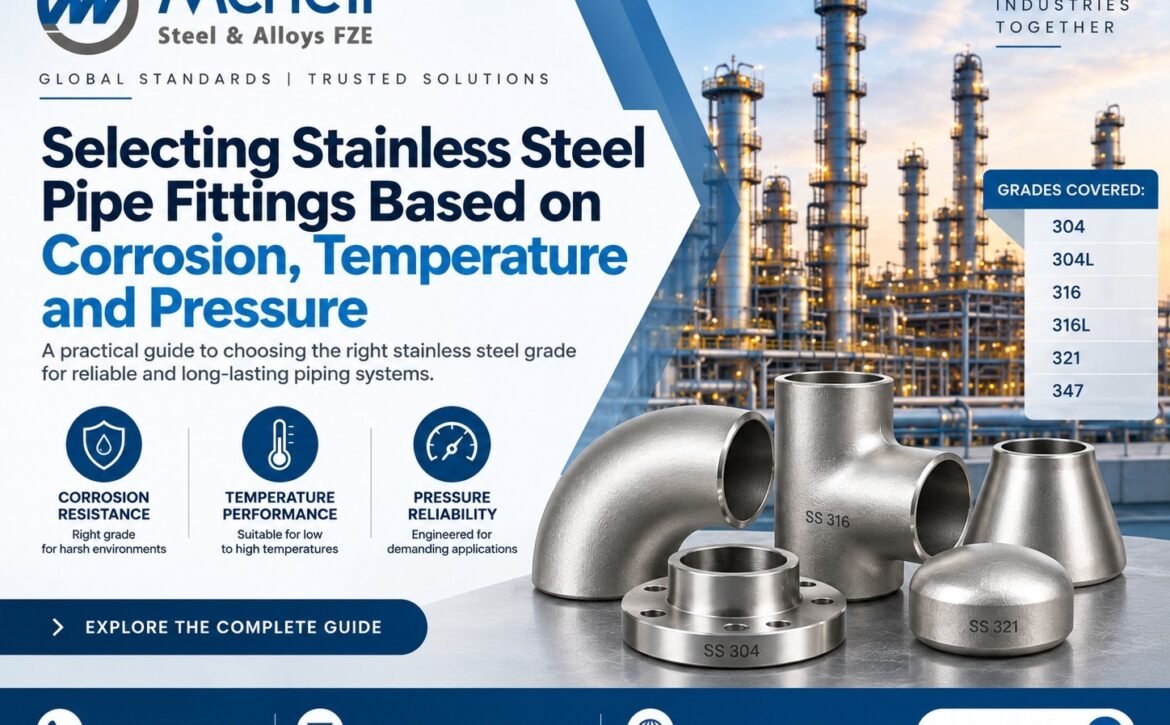
If you are searching for a trusted stainless steel pipe fittings manufacturer and supplier, Mcneil Alloys is a leading name offering premium-quality stainless steel pipe fittings in grades 304, 304L, 316, 316L, 321, and 347.

These fittings are engineered to deliver exceptional durability, precision, and performance, making them ideal for critical industrial applications.

Why Choose Mcneil Alloys for Stainless Steel Pipe Fittings?

Choosing the right manufacturer ensures reliability and efficiency. Mcneil Alloys is trusted globally for delivering high-quality stainless steel pipe fittings with superior performance.

Key Highlights

✔ Wide range of stainless steel pipe fittings
✔ Premium-grade raw materials
✔ Advanced manufacturing technology
✔ Strict quality testing and inspection
✔ Competitive pricing and timely delivery
✔ Custom sizes and specifications available

Their focus is on delivering precision-engineered fittings that meet international standards.

What are Stainless Steel Pipe Fittings?

Stainless steel pipe fittings are essential components used to connect, control, and direct the flow of fluids in piping systems.

Key Benefits

  • High corrosion resistance
  • Excellent strength and durability
  • Heat and pressure resistance
  • Long service life
  • Low maintenance

These properties make stainless steel fittings ideal for industrial and commercial applications.

Stainless Steel Pipe Fittings Grades Offered

Mcneil Alloys manufactures a comprehensive range of grades:

1. Stainless Steel 304 Pipe Fittings

  • General-purpose stainless steel
  • Good corrosion resistance
  • Widely used in industrial piping systems

2. Stainless Steel 304L Pipe Fittings

  • Low carbon content
  • Improved weldability
  • Reduced risk of corrosion after welding

3. Stainless Steel 316 Pipe Fittings

  • Enhanced corrosion resistance
  • Suitable for marine and chemical environments
  • Contains molybdenum for better performance

4. Stainless Steel 316L Pipe Fittings

  • Low carbon version of 316
  • Excellent resistance to corrosion
  • Ideal for high-temperature applications

5. Stainless Steel 321 Pipe Fittings

  • Stabilized with titanium
  • Excellent resistance to high temperatures
  • Suitable for heat exchangers

6. Stainless Steel 347 Pipe Fittings

  • Stabilized with niobium
  • Resistant to intergranular corrosion
  • Ideal for high-pressure applications

Applications of Stainless Steel Pipe Fittings

Stainless steel pipe fittings are widely used in:

  • Oil & Gas Industry
  • Petrochemical Plants
  • Chemical Processing Units
  • Power Generation Plants
  • Marine & Offshore Applications
  • Construction & Infrastructure

Their ability to perform in extreme and corrosive environments makes them highly reliable.

Features of Stainless Steel Pipe Fittings

1. Superior Corrosion Resistance

Designed to resist rust, oxidation, and chemical corrosion.

2. High Strength & Durability

Ensures long-term performance under high pressure and temperature.

3. Excellent Weldability

Easy to install and fabricate for complex piping systems.

4. Temperature Resistance

Performs efficiently in both high and low-temperature environments.

5. Cost-Effective Solution

Long lifespan reduces maintenance and replacement costs.

Manufacturing & Quality Standards

Mcneil Alloys follows strict quality control processes:

  • Use of certified raw materials
  • Advanced manufacturing techniques
  • Non-destructive testing (NDT)
  • Dimensional and pressure testing
  • Compliance with international standards

This ensures consistent quality and high performance in every product.

Custom Stainless Steel Fittings Solutions

Every industry has unique requirements. Mcneil Alloys offers:

  • Custom sizes and dimensions
  • Tailored specifications
  • Bulk supply capabilities
  • Export-quality packaging

This makes them a preferred stainless steel pipe fittings supplier globally.

Benefits of Choosing Mcneil Alloys Pipe Fittings

By choosing Mcneil Alloys, you get:

📊 High strength and durability
💰 Reduced maintenance costs
📉 Excellent corrosion resistance
⚙️ Reliable industrial performance
🌍 Long-lasting piping solutions

Why Mcneil Alloys is a Trusted Manufacturer

Industries worldwide rely on Mcneil Alloys for quality, precision, and reliability.

Key Reasons

  • Proven industry expertise
  • Advanced manufacturing infrastructure
  • Competitive pricing
  • Timely delivery
  • Strong customer support

Their commitment is to deliver high-performance stainless steel pipe fittings for critical applications.

Results You Can Expect

With premium stainless steel pipe fittings, your business can achieve:

📈 Improved operational efficiency
📊 Reduced downtime
💼 Enhanced system reliability
💰 Long-term cost savings

Get the Best Stainless Steel Pipe Fittings Today

Looking for a reliable stainless steel pipe fittings manufacturer and supplier?

Company Name: Mcneil Alloys
Website: https://mcneilalloys.ae/

👉 Partner with Mcneil Alloys for high-quality, durable, and performance-driven piping solutions.

FAQs – Stainless Steel Pipe Fittings

1. What are stainless steel pipe fittings used for?

They are used to connect and control flow in piping systems across industries.

2. Which grade is best for corrosion resistance?

316 and 316L offer superior corrosion resistance.

3. Do you provide customized fittings?

Yes, Mcneil Alloys offers custom sizes and specifications.

4. Are these fittings suitable for high-temperature use?

Yes, grades like 321 and 347 are ideal for high-temperature environments.

5. What industries use these fittings?

Oil & gas, chemical, marine, power, and construction industries.

6. Do you supply internationally?

Yes, Mcneil Alloys exports globally with high-quality standards.

Read More
admin April 16, 2026 0 Comments

Molybdenum Alloy Steel Pipes in UAE: High-Performance Piping for Oil, Gas & Energy Industries

Introduction: Built for UAE’s Extreme Industrial Conditions

Let’s be practical—industries in the UAE don’t operate under normal conditions. High temperatures, continuous operations, and demanding environments mean materials must perform without compromise.

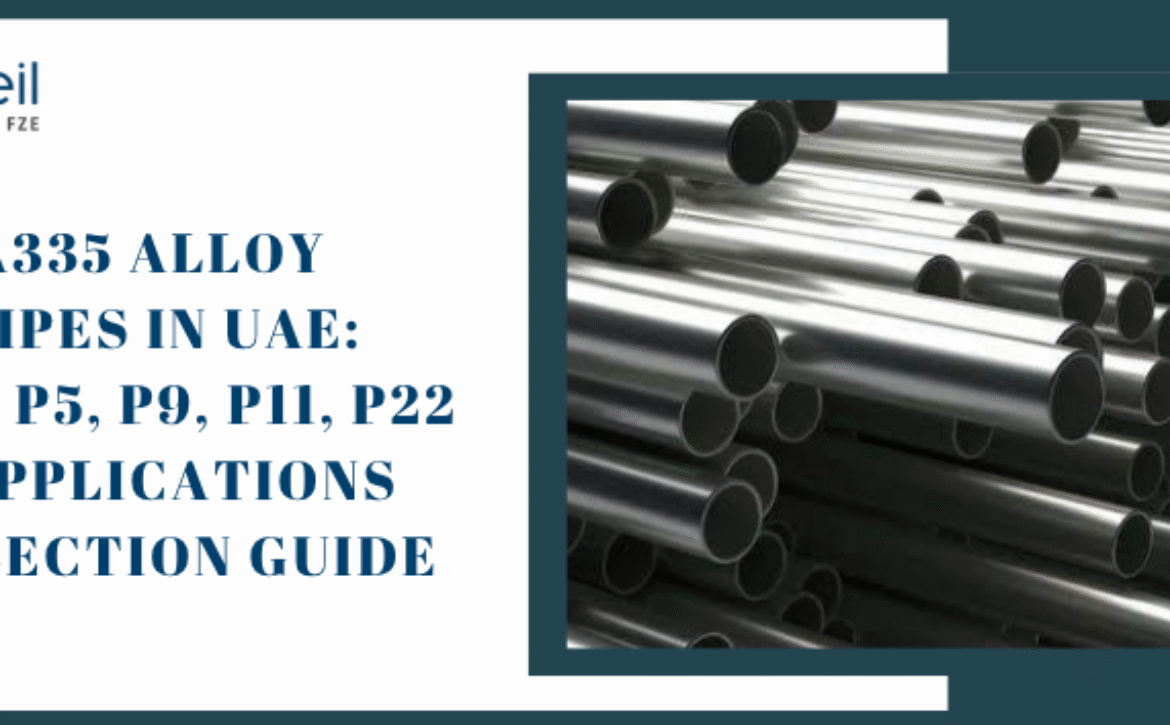
That’s why molybdenum alloy steel pipes (ASTM A335 P5, P9, P11, P22, P91) are widely used across the region. These pipes are engineered to handle extreme heat, pressure, and long operational cycles, making them ideal for oil refineries, petrochemical plants, and power generation systems.


What Are Molybdenum Alloy Steel Pipes?

ASTM A335 alloy steel pipes are seamless ferritic pipes designed specifically for high-temperature and high-pressure applications. They are often referred to as chrome moly pipes due to their chromium and molybdenum composition.

These pipes are manufactured as per ASTM A335 / ASME SA335 standards, ensuring consistent performance in critical industrial systems.

Key Features

  • Seamless construction for higher strength and reliability
    • Designed for extreme temperature environments
    • Suitable for welding, bending, and fabrication
    • Available in grades like P5, P9, P11, P22, P91

These pipes are widely used in industries such as power plants, refineries, and petrochemical units.


Why Chromium and Molybdenum Matter

The performance of these pipes comes from a carefully balanced alloy composition.

Key Elements

Element Function
Chromium (Cr) Improves oxidation and corrosion resistance
Molybdenum (Mo) Enhances high-temperature strength
Carbon (C) Adds hardness and durability
Manganese (Mn) Improves toughness

Molybdenum plays a key role in improving creep strength and resistance to deformation, which is critical for long-term high-temperature service.


Mechanical Properties That Deliver Reliability

These pipes are designed to maintain performance even under extreme stress.

Property Typical Value
Tensile Strength ≥ 415 MPa
Yield Strength ≥ 205 MPa
Temperature Resistance Up to ~750°C
Creep Resistance Excellent

They maintain structural integrity even during prolonged exposure to heat and pressure, making them ideal for industrial use.

Key Advantages of Molybdenum Alloy Steel Pipes

High Temperature Resistance

Ideal for boilers, furnaces, and steam pipelines.

Strong Under Pressure

Maintains stability in high-pressure systems.

Excellent Creep Resistance

Prevents deformation over long-term operation.

Corrosion and Oxidation Resistance

Chromium enhances durability in harsh environments.

Long Service Life

Reduces downtime and maintenance costs.


Technical Specifications Overview

Specification Details
Standard ASTM A335 / ASME SA335
Grades P5, P9, P11, P22, P91
Type Seamless Alloy Steel Pipe
Size Range ½″ to 36″ NB
Wall Thickness SCH 40 to SCH XXS
Manufacturing Hot Rolled / Cold Drawn
End Type Plain / Beveled / Threaded

These specifications ensure compatibility with large-scale industrial systems.


Industrial Applications in UAE

The UAE’s industrial ecosystem is heavily focused on energy, oil, and infrastructure—exactly where these pipes perform best.

Oil & Gas Industry

Used in refineries, offshore pipelines, and hydrocarbon transport.

Petrochemical Plants

Handles high-temperature and corrosive chemical processes.

Power Generation

Critical for boilers, superheaters, and steam lines.

Refineries

Used in cracking units and heat exchangers.

Industrial Projects & Infrastructure

Supports large-scale piping systems in heavy industries.

Grades like P11, P22, and P91 are commonly used in power and petrochemical industries, while P5 and P9 are widely used in refineries.


Understanding the Different Grades

ASTM A335 P5

  • Good oxidation resistance
    • Used in refineries and moderate high-temperature systems


ASTM A335 P9

  • Higher chromium content
    • Better heat resistance
    • Suitable for petrochemical applications


ASTM A335 P11

  • Balanced strength and durability
    • Widely used in boilers and power plants


ASTM A335 P22

  • Strong creep resistance
    • Ideal for high-pressure steam systems


ASTM A335 P91

  • Advanced alloy composition
    • Exceptional performance in extreme temperature environments


Quick Grade Comparison

Grade Key Strength Best Application
P5 Oxidation resistance Refineries
P9 Heat resistance Petrochemical plants
P11 Balanced strength Boilers
P22 High pressure resistance Power plants
P91 Extreme performance Advanced energy systems


Quality Testing and Assurance

To ensure safety and performance, these pipes undergo strict quality checks:

  • Chemical composition testing
    • Mechanical strength testing
    • Hydrostatic pressure testing
    • Ultrasonic and radiographic inspection
    • Positive Material Identification (PMI)
    • Dimensional inspection

These tests ensure consistent quality in demanding industrial environments.


Conclusion

Molybdenum alloy steel pipes (ASTM A335 P5, P9, P11, P22, P91) are designed for industries where heat, pressure, and reliability are non-negotiable. Their chromium-molybdenum composition delivers strength, durability, and resistance to extreme conditions.

In the UAE, where industries operate under intense environmental and operational stress, these pipes are essential for maintaining safe, efficient, and long-lasting piping systems.

If the requirement is high performance under extreme conditions, these pipes remain one of the most trusted solutions in modern industrial infrastructure.

Read More
admin April 4, 2026 0 Comments

Why UAE Humidity is a Different Beast for 316L Stainless Steel

If you have spent any time on a project site in Jebel Ali, Ruwais, or Hamriyah during the peak of summer, you know the feeling. The air isn’t just hot; it is thick, heavy, and tastes like salt. In the UAE, humidity isn’t just a weather metric—it is a chemical delivery system.

At Mcneil Alloys, we often see procurement managers specify 316L Stainless Steel because it is labeled as “marine grade.” On paper, it should handle the coast just fine. But in the reality of the Arabian Gulf, 316L often starts showing “tea staining” or pitting corrosion within months of installation.

Understanding why this happens is the key to protecting your 2026 infrastructure from a very expensive premature failure.


The Passive Layer: 316L’s Only Line of Defense

To understand the problem, you have to understand how stainless steel works. It doesn’t stay shiny because it is “rust-proof.” It stays shiny because it creates a microscopic “passive layer” of chromium oxide on its surface. Think of it as a permanent, self-healing sunscreen.

As long as that layer is intact, the steel is safe. However, the UAE’s environment is specifically designed by nature to strip that sunscreen away.

Why the UAE Environment is a “Triple Threat”

  • High Chloride Concentration: The Arabian Gulf is one of the saltest bodies of water on Earth. The humidity carries these chloride ions deep inland. When the moisture evaporates off your pipes in the 45°C sun, it leaves behind a concentrated salt crust that eats through the passive layer.
  • The Heat Catalyst: Corrosion is a chemical reaction, and heat is the fuel. For every 10°C increase in temperature, the rate of corrosion can effectively double. In the UAE summer, your piping isn’t just sitting there; it is essentially “cooking” in a salt bath.
  • Micro-Condensation: Even when it doesn’t rain, the high humidity causes “dew” to form on the underside of pipes and valves every night. This moisture traps salt and dust, creating a stagnant, corrosive “puddle” that sits on the metal for hours.


The Pitting Trap: When “Marine Grade” Isn’t Enough

The most common failure we see in 316L across the UAE is Pitting Corrosion.

Unlike standard rust that spreads across the surface, pitting creates tiny, needle-like holes that drill deep into the metal. From a distance, the pipe looks perfect. But internally, the structural integrity is being hollowed out.

By the time you see a leak, the “marine grade” 316L has already failed. This is why many 2026 projects are moving toward materials with a higher PREN (Pitting Resistance Equivalent Number).

Strategic Alternatives for 2026 Projects

If your project is within 5 kilometers of the coast, or if it involves high-temperature processes, you may need to look beyond 316L:

  • Duplex Stainless Steel (2205): Offers nearly double the strength of 316L and significantly better resistance to chloride stress corrosion. It is becoming the new standard for UAE desalination and offshore projects.
  • Super Duplex (2507): Specifically designed for high-salinity brine and aggressive offshore environments. It is the “heavy hitter” for 2026 water security projects.
  • 6% Moly Alloys: For instrumentation and small-bore piping where zero failure is the only option, these high-molybdenum alloys provide the ultimate protection against pitting.


The Financial Reality: Buy Once or Repair Twice?

The “Middle East markup” on maintenance is real. Replacing a corroded section of 316L piping in the middle of a refinery shutdown is five times more expensive than the initial material cost.

In 2026, the most successful procurement managers are those who stop asking “What is the cheapest material that meets the spec?” and start asking “What material will actually survive the July humidity?”

At Mcneil Alloys, we don’t just supply the metal; we provide the regional expertise to help you choose the right grade for the right environment. We have seen what the UAE sun and salt can do, and we are here to make sure your project doesn’t become another “corrosion case study.”


Read More
admin March 30, 2026 0 Comments

The Invisible Line Item: How New Carbon Taxes are Quietly Reshaping Your Flange Quotes

Imagine opening a quote for a standard batch of stainless steel flanges. The dimensions are exactly what you specified. The material grade is identical to what you ordered last year. But the final number at the bottom has climbed significantly.

It isn’t just the price of iron ore, and it isn’t a temporary spike in shipping. There is a new, quiet player at the table: the carbon tax.

At Mcneil Alloys, we are seeing a major shift in how piping projects are budgeted for 2026. For years, carbon emissions were something discussed in boardrooms or environmental reports. Today, they are a direct line item that dictates the landed cost of every imported flange.


The New Reality of “Dirty” vs. “Clean” Steel

In the world of industrial piping, we are used to talking about pressure ratings and chemical compositions. But as we move through 2026, a new metric has become just as important—the carbon intensity of the mill where your flange was forged.

This is largely due to the Carbon Border Adjustment Mechanism, often called CBAM.If a flange is produced in a region with lower environmental standards or using older, coal-heavy furnaces, it now carries a financial penalty when it enters certain markets.

The goal is simple: to level the playing field so that manufacturers using cleaner, more expensive technology aren’t undercut by those using high-pollution methods.

Why the “Cheapest” Flange is Often the Most Expensive

We have seen this play out in real-time. A procurement manager finds a supplier offering flanges at a significantly lower rate than the market average. However, because that mill uses outdated technology, the carbon tax applied at the border is massive.

By the time the shipment clears customs, that “cheap” flange costs more than a premium part sourced from a modern, low-emission mill. At Mcneil Alloys, we believe the 2026 market is finally forcing a change in perspective: Sustainability is no longer a luxury—it is a financial strategy.


The Documentation Burden: You Are Buying Data, Not Just Metal

One of the biggest hidden costs isn’t the tax itself, but the paperwork required to prove the carbon footprint.

  • Verified Reports: You aren’t just buying metal anymore; you are buying data. Each shipment now requires a detailed report of the emissions generated during its creation.
  • The Penalty of Silence: If your supplier cannot provide verified data, the authorities often apply a “default” tax rate, which is usually the highest possible penalty.
  • Compliance Delays: Missing carbon documentation can lead to weeks of delays at the port, which is a project killer for EPC contractors on a tight schedule.


How to Protect Your 2026 Piping Budget

You don’t have to be an environmental expert to navigate these changes, but you do need to be a strategic buyer.

  • Audit Your Mills: Start asking your suppliers about their furnace types. Electric arc furnaces generally carry a much lower carbon tax than traditional blast furnaces.
  • Request Carbon Data at the RFQ Stage: Do not wait until the goods are on the water to ask for emissions data. Make it a requirement of the quote.
  • Look for Regional Consistency: Sourcing from mills that already comply with high international standards ensures that your “total landed cost” remains predictable.

Conclusion

The 2026 market is teaching us that the cheapest flange on the spreadsheet is rarely the cheapest one in the warehouse. Carbon taxes are no longer a “future concern”—they are an active part of your project’s financial health.

At Mcneil Alloys, we help you look beyond the surface of the metal to ensure your supply chain is compliant, efficient, and protected from these hidden costs. We don’t just ship flanges; we provide the technical and regulatory certainty you need to keep your project in the green.


Read More
admin March 9, 2026 0 Comments

How Raw Material Fluctuations Will Shape 2026 Piping Project

In the industrial world, the price of a flange or a length of seamless pipe is never truly static. For procurement managers and EPC contractors planning for the 2026 fiscal year, the challenge isn’t just about finding the right technical specification—it is about navigating the shifting sands of global raw material costs.

At Mcneil Alloys, we recognize that a piping budget drafted today can look very different by the time the project reaches the installation stage. As a Pipe and flanges manufacturer and exporter in uae Understanding why these fluctuations happen and how to plan for them is the difference between a project that stays in the green and one that faces unexpected financial hurdles.

The Invisible Link: How Raw Material Shifts Can Stall Your Project

A pipe is more than just a shaped piece of metal. It is a complex combination of iron ore, nickel, chromium, and energy. When the global market for any of these components shifts, the ripple effect is felt immediately on the factory floor and eventually in your project’s bottom line.

For 2026, several factors are converging to create a unique pricing environment:

  • Market Volatility: Supply chain stability and energy costs in manufacturing hubs are playing a massive role in baseline pricing.
  • Specialized Demand: The rising need for high-performance alloys in green energy and deep-sea extraction is tightening availability.
  • The Reliability Factor: When a project budget is set, the team isn’t just looking at a quote; they are looking at the stability of the supply chain.
  • Hidden Costs of Delay: A lag in raw material availability doesn’t just raise the price—it extends the project timeline, which is often the most expensive outcome of all.

Why Your 2026 Budget Needs a Foundation, Not Just a Quote

Deciding when to buy is just as important as deciding what to buy. Depending on your project’s risk profile, you may choose to lock in costs early or maintain a flexible approach.

Early Material Securing (Locking in Costs)

This approach is valuable when project timelines leave no margin for inflationary surprises. The advantage lies in predictability:

  • Fixed-price contracts become much easier to manage.
  • Production slots at the mill are guaranteed well in advance.
  • Technical documentation is cleared before the first weld happens.
  • Shipping schedules remain predictable, avoiding last-minute air-freight costs.
  • Inventory risks are shifted away from the site and back to the supplier.

Flexible Procurement (Economical Sourcing)

Flexible sourcing works effectively when the application allows for a longer lead time and the operational risk is manageable:

  • Ideal for non-critical utility lines and water systems.
  • Useful for long-term phased infrastructure projects where sections can be delayed.
  • Most economical for standard carbon steel networks where supply is plentiful.
  • Practical for building up maintenance and repair stock over time.

The Estimation Stage: Where Hidden Costs Become Visible

Most budget comparisons happen during the tender review, but the real financial evaluation occurs when the material actually arrives. During the estimation phase, minor variations in the cost of nickel or molybdenum can significantly alter the price of stainless steel or Duplex pipes.

  • Inventory Buffers: Established manufacturers often have the inventory depth to absorb small market shocks, providing a buffer for the buyer.
  • Price at Time of Shipment: Sourcing from volatile markets often leads to clauses where the final price is determined only when the truck leaves the dock. On a large project, even small percentage shifts can lead to massive budget overruns.
  • Documentation Integrity: Modern industrial projects rely on mill test certificates and third-party inspections. Choosing the lowest possible price often means a drop in documentation quality, leading to rejected materials and doubling your actual costs.

Understanding the True Cost Beyond the Invoice

The budget for a 2026 piping project includes more than the purchase price. It includes indirect factors like inspection coordination, clearance time, and the potential for replacement.

High-quality piping and valves may carry a slightly higher initial value, but they reduce the uncertainty of the project. Many project managers now consider reliability as a financial metric that is just as important as the unit rate. Reliability over the years often outweighs a short-term procurement advantage, especially when you consider that plants are built to last thirty years or more.


Conclusion

A piping budget is a complex puzzle, but it is ultimately about predictability. The decision on how to handle 2026 raw material fluctuations is a choice between taking a gamble or building a foundation.

If your project demands certainty, immediate support, and long-term consistency, early collaboration with a trusted manufacturer offers the best budget insurance. If the system allows for flexibility and a larger planning buffer, a phased procurement approach can control costs effectively. The right choice is the one that keeps the project moving forward without the fear of a mid-year budget collapse.


Read More
admin March 3, 2026 0 Comments

Alloy Steel vs Stainless Steel Pipes: Key Differences and When to Use Each

In industrial projects, the choice of piping material directly affects performance, safety, and long-term cost. From high-temperature steam lines in power plants to corrosion-prone chemical processing units, every environment demands a material that can withstand its specific challenges. Alloy steel and stainless steel are two of the most widely used options because both offer superior properties compared to conventional carbon steel. However, their strengths are very different, and selecting the right one requires a clear understanding of how each material behaves in real operating conditions.

Why Does the Right Pipe Material Matter More Than You Think?

In industrial projects, piping is often seen as a standard component — until something goes wrong. A material that cannot handle the operating temperature, pressure, or surrounding environment can lead to unexpected shutdowns, rising maintenance costs, and serious safety risks.

That is why the debate between alloy steel and stainless steel pipes is not just a technical comparison. It is a decision that directly affects performance, durability, and the overall lifecycle cost of a project. Each material is designed for a different purpose, and understanding where it performs best is the key to building a reliable system.

What Makes Alloy Steel a Powerhouse for High-Temperature Applications?

Alloy steel is not just modified carbon steel — it is a material engineered for extreme service conditions. With the addition of elements such as chromium and molybdenum, it gains the strength required to operate under continuous high pressure and elevated temperatures.

This is the reason it is widely used in power plants, refineries, and petrochemical facilities. In these environments, pipes carry superheated steam or high-temperature process fluids for years without losing their structural stability. Ordinary materials would slowly deform under such conditions, but alloy steel maintains its strength and resists creep, making it a dependable solution for critical operations.

Why Is Stainless Steel the First Choice in Corrosive Environments?

While alloy steel is known for strength, stainless steel is known for survival in aggressive surroundings. Its chromium content forms a protective surface layer that shields it from rust, chemicals, and moisture. Even if the surface is scratched, the layer rebuilds itself, which is why stainless steel lasts so long in harsh environments.

This self-protecting property makes it the preferred material in desalination plants, marine pipelines, chemical processing units, and hygienic industries such as food and pharmaceuticals. In these sectors, corrosion resistance is not just an advantage — it is a necessity.

Stainless steel is selected when the environment itself is the biggest threat to the piping system.

Is Strength or Corrosion Resistance More Important for Your Application?

One of the most common mistakes in material selection is assuming that higher strength automatically means better performance. In reality, the operating environment decides what “better” actually means.

In high-temperature steam lines, alloy steel delivers unmatched reliability. In chemical transport pipelines exposed to corrosive media, stainless steel provides a longer and safer service life.

This is why these two materials are not competitors. They are solutions for completely different industrial challenges.

How Do They Perform in Real Industrial Conditions?

In power generation facilities, alloy steel proves its value every day. It operates for long periods under extreme heat without losing its shape or mechanical properties. This kind of performance is essential for maintaining efficiency and preventing costly downtime.

In contrast, stainless steel dominates in offshore and coastal installations where constant exposure to salt-laden air would quickly damage other materials. Its resistance to corrosion significantly reduces maintenance requirements and extends the life of the system.

Each material performs exceptionally — but only in the environment it was designed for.

What About Fabrication, Welding, and Installation?

From a fabrication perspective, stainless steel offers greater flexibility. It can be welded and formed into complex shapes with relative ease, which makes it suitable for projects with intricate piping layouts.

Alloy steel requires more controlled welding procedures, often involving preheating and post-weld heat treatment. While this adds time to the installation process, it ensures that the material retains its high-temperature strength and long-term reliability.

So the choice here is not about convenience — it is about ensuring performance in service.

Does the Higher Initial Cost Always Mean Higher Project Cost?

At first glance, stainless steel appears more expensive because of its alloying elements, particularly chromium and nickel. Alloy steel is often more economical for high-temperature applications where corrosion resistance is not the primary concern.

However, the real cost of a piping system is calculated over its entire life. In corrosive environments, stainless steel reduces maintenance, replacement, and downtime costs. In high-temperature service, alloy steel provides long-term durability and efficiency.

The smarter choice is the one that delivers the best lifecycle value, not just the lowest purchase price.

Where Is Each Material Commonly Used?

Alloy steel is the backbone of high-temperature and high-pressure systems. It is found in:

  • Thermal power plants
  • Refineries
  • Petrochemical processing units
  • High-pressure steam pipelines

Stainless steel, on the other hand, is essential in:

  • Chemical industries
  • Marine and offshore applications
  • Water treatment and desalination plants
  • Food and pharmaceutical processing

So, How Do You Make the Right Choice?

Selecting between alloy steel and stainless steel is not about choosing the stronger or more expensive option. It is about understanding the service conditions in detail — temperature, pressure, type of fluid, environmental exposure, and expected lifespan.

When these factors are evaluated correctly, the result is a piping system that performs efficiently, lasts longer, and requires less maintenance.

Conclusion: The Right Material Is the One That Matches the Environment

Alloy steel and stainless steel pipes are both engineered for performance, but their strengths lie in different areas. Alloy steel delivers unmatched reliability in high-temperature and high-pressure applications, while stainless steel provides exceptional durability in corrosive and moisture-rich environments.


Read More
admin February 13, 2026 0 Comments

Why 7 Out of 10 Alloy Purchases Fail — And How to Avoid Being One of Them

Alloy procurement is rarely a simple buying decision. It sits at the intersection of design intent, operating conditions, compliance requirements, and supplier capability. When any one of these elements is misunderstood or overlooked, the result is often material rejection, delayed commissioning, or premature failure in service.

Despite advancements in material science and global availability of alloy products, a significant percentage of alloy purchases still fail to meet project expectations. These failures are not random. They follow a predictable pattern rooted in technical misjudgment and process gaps.


When the Grade Is Selected Before the Application Is Fully Understood

One of the earliest mistakes occurs during grade selection. In many projects, an alloy grade is chosen based on familiarity or previous use rather than a detailed review of current operating conditions. While a material like ASTM A312 TP316L may perform adequately in moderate environments, it can fail rapidly in chloride-rich or high-temperature service where more resistant alloys are required.

This issue becomes more critical in high-pressure or high-temperature systems, where carbon steel grades such as ASTM A106 Gr.B are mistakenly used beyond their intended limits. In such cases, alloy steels like ASTM A335 P11 or P22 provide better creep resistance and long-term stability.

Failures at this stage are rarely immediate. They develop gradually, making them costly and difficult to correct once the system is operational.


How Correct Grades Still Fail Due to Wrong Product Standards

Even when the alloy grade itself is correct, failures often occur because the product form or manufacturing standard does not match the design requirement. Pipes, fittings, flanges, and forgings may share similar material designations, but they are governed by different standards with specific mechanical and dimensional requirements.

For example, using ASTM A312 pipes in applications that require ASTM A790 duplex pipes can result in insufficient strength and corrosion resistance. Similarly, specifying ASTM A182 F316 flanges instead of F51 or F53 can lead to mechanical inadequacy in high-stress systems.

These discrepancies typically surface during inspection, where non-compliance leads to rejection despite the material appearing acceptable on the surface.


The Hidden Risk Behind “Equivalent Grade” Substitutions

Equivalent grade substitution is often presented as a solution to cost or availability constraints. While some grades appear interchangeable, true equivalence requires matching chemical composition, mechanical properties, heat treatment, and code acceptance.

Problems arise when substitutions are made based solely on nominal composition or naming similarity. Minor variations in molybdenum, nickel, or nitrogen content can significantly affect corrosion resistance, toughness, and service life. In regulated industries, even small deviations can result in non-approval by inspectors or end users.

Once an equivalent grade is installed, reversing the decision is rarely simple, especially after welding or system integration.


Why Documentation and Traceability Decide Material Acceptance

In critical projects, alloy material is only as acceptable as its documentation. Many technically sound materials fail approval due to incomplete or incorrect paperwork. Mill Test Certificates that do not comply with EN 10204 3.1, missing heat numbers, or inconsistent markings are among the most common reasons for rejection.

Traceability ensures that the supplied material matches the tested and certified product. Without it, even premium alloys lose credibility during inspection. Documentation failures typically surface late in the procurement cycle, when corrective actions are expensive and time-consuming.


Where Duplex and Super Duplex Alloys Go Wrong

Duplex and super duplex stainless steels offer excellent strength and corrosion resistance, but they are sensitive to processing and heat treatment. Grades such as UNS S32205, S32750, and S32760 require precise control of ferrite-austenite balance to maintain performance.

Improper solution annealing, uncontrolled cooling, or unqualified welding procedures can degrade corrosion resistance and toughness. These failures often remain hidden until the material is exposed to aggressive service conditions, at which point replacement becomes unavoidable.


Nickel Alloy Failures Caused by Incomplete Corrosion Evaluation

Nickel alloys are selected for extreme environments, yet failures still occur when corrosion mechanisms are not fully evaluated. Choosing Inconel 600 instead of Inconel 625, or Hastelloy C276 instead of C22, can lead to inadequate resistance against localized corrosion or chemical attack.

Such errors are often driven by cost considerations or incomplete understanding of process media. Once installed, nickel alloy failures carry a high replacement cost, making upfront technical validation essential.


The One Section That Explains How to Avoid the 70 Percent

Most alloy purchase failures can be prevented by applying a structured technical approach before placing the order:

  • Define full operating conditions, including temperature, pressure, and chemical exposure
  • Select alloy grade and product standard together, not independently
  • Avoid undocumented equivalent grade substitutions
  • Ensure full material traceability with EN 10204 3.1 certification
  • Specify inspection and testing requirements at the purchase stage
  • Work with suppliers who provide technical support, not just material supply

These steps shift alloy procurement from a transactional activity to a controlled engineering process.


Final Thought: Alloy Purchasing Is a Technical Responsibility

Alloy failures rarely stem from defective materials. They result from decisions made early in the procurement process without full technical validation. When grade selection, standards, documentation, and inspection are aligned, alloy materials perform as intended throughout their service life.

In high-risk applications, alloy procurement is not just about availability or price. It is about engineering discipline, compliance, and long-term reliability.


Read More
admin February 10, 2026 0 Comments

IOCL Approved Pipes


McNeil Steel & Alloys FZE, based in the United Arab Emirates, specializes in manufacturing and exporting instrumentation pipe fittings and valves. Their product range includes tubes, pipes, pipe fittings, flanges, instrumentation tube fittings, instrumentation valves, and hardware. They are approved suppliers for major companies such as Total Energies, Shell, ONGC, GASCO, Exxon Mobil, EIL, Chevron Corp, Baker Hughes, and Bahrain Petroleum.

The company is committed to delivering high-quality products and services that meet or exceed customer expectations. Their quality policy emphasizes continuous improvement, adherence to international standards, and maintaining a skilled workforce to ensure product reliability and customer satisfaction.

McNeil Alloys serves a diverse range of industries, including oil and gas, petrochemicals, power generation, and more. Their extensive product line and industry approvals enable them to meet the specific requirements of these sectors, providing reliable solutions for various applications.


IOCL Approved Pipes: Ensuring Excellence in Industrial Applications

Indian Oil Corporation Limited (IOCL) stands as a beacon of industrial excellence and a pioneer in energy and petrochemical sectors in India. Its operations, which encompass refining, pipeline transportation, and distribution, demand the use of materials that meet the highest quality and safety standards. Among the critical components used in IOCL’s projects are IOCL-approved pipes, which are essential for the seamless and safe functioning of infrastructure.

Stainless steel pipes have emerged as a key material in the IOCL-approved category due to their exceptional durability, corrosion resistance, and versatility. Trusted suppliers like Mcneil Steel & Alloys FZE play an instrumental role in providing premium-quality stainless steel pipes that meet IOCL’s stringent standards. As a recognized Stainless Steel Pipe Manufacturer, Mcneil Steel & Alloys FZE ensures its products adhere to the highest specifications required by IOCL-approved projects.


Applications of IOCL Approved Pipes

The use of IOCL-approved pipes extends across multiple industries and operational areas:

  1. Oil and Gas Exploration
    IOCL-approved pipes are essential for onshore and offshore oil exploration activities. Stainless steel pipes, in particular, are well-suited for transporting crude oil and natural gas due to their strength and resistance to environmental wear.
  2. Petrochemical Processing
    In petrochemical facilities, the transportation of chemicals, fuels, and gases requires pipes that can handle extreme conditions. Stainless steel pipes provided by reliable Stainless Steel Pipe Exporters in the industry are a preferred choice for these demanding applications.
  3. Pipeline Infrastructure
    Pipeline networks form the backbone of IOCL’s distribution system. Stainless steel pipes, with their long lifespan and minimal maintenance requirements, ensure the smooth and efficient transportation of refined products across vast distances.
  4. Refinery Operations
    Refineries require materials that can endure high temperatures, pressure, and chemical exposure. IOCL-approved stainless steel pipes are integral to the functioning of these facilities, contributing to operational efficiency and safety.

Get In Touch

Name Mcneil Steel & Alloys FZE
Address SAIF-Zone, P.O. Box. 120345, Sharjah, UAE
Phone +91 987 088 3613
Email info@mcneilalloys.ae
Website https://mcneilalloys.ae


IOCL-approved pipes are integral to India’s industrial and energy sectors, ensuring the safe and efficient operation of critical infrastructure. Stainless steel pipes, with their exceptional properties, are the preferred choice for these demanding applications.

Mcneil Steel & Alloys FZE, as a leading Stainless Steel Pipe Manufacturer and supplier, plays a vital role in meeting the requirements of IOCL-approved projects. Their high-quality products and commitment to innovation make them a reliable partner for industries worldwide.

IOCL approved pipe manufacturers, Stainless Steel Pipe Manufacturers, Stainless Steel Pipe Exporters, Stainless Steel Pipe Supplier, seamless pipes, industrial pipe suppliers, oil and gas pipes


Manufacturing Types and Processes

Manufacturing Type Processes
Seamless Hot Rolling Processes Round Pipe Billet → Heating → Perforation → Three Roll Skew Rolling, Continuous Rolling or Extrusion → Off Pipe → Sizing (Or Reducing Diameter) → Cooling → Billet → Straightening → Water Pressure Test (Or Flaw Detection) → Marking → Storage
Seamless Cold Rolling (Cold Drawn) Processes Round Pipe Billet → Heating → Perforation → Head → Annealing → Pickling → Oil (Copper) → Multi Pass Drawing (Cold Rolling) → Billet → Heat Treatment → Straightening → Water Pressure Test → Marking → Storage
Longitudinal Welding (Straight Seam Welding) Processes Including ERW, EFW


Material of Construction

Material Specifications
Stainless Steel ASTM / ASME SA 312 GR, TP 304, 304L, 304H, 3095, 309H, 310S, 310H, 316, 316TI, 316H, 316LN, 317, 317L, 321, 321H, 347, 347H, 904L, ASTM / ASME SA 358 CL 1 % CL 3 GR. 304, 304L, 304H, 309S, 309H, 310S, 310H, 316, 316H, 321, 321H, 47.
Duplex Steel ASTM / ASME SA 790 UNS NO
Carbon Steel ASTM ASME A 53 GR. A & B, ASTM A 106 GR. A.B & C. API5L GR.B, M.S. & G.I ERW pipes API5L X 42, X46, X52, X60, X65 & X 70, ASTM / ASME A 691 GR A, B & C
Alloy Steel ASTM /ASME A 335 GR P1, P5, P9, P11, P12, P22, P23, P91, ASTM / ASME A 691 GR 1 CR, 11/4 CR, 21/4 CR
Nickel Alloy ASTM/ASME SB 163 UNS 2200 (NICKEL 200), ASTM/ASME SB 163 UNS 2201 (NICKEL 201), ASTM/ASME SB 163 165 UNS 4400 (MONEL 400),
ASTM/ASME SB 464 UNS 8020 (ALLOY 20/20 CB 3), ASTM/ASME SB 704/705 UNS 8825 INCONEL (825),
ASTM/ASME SB 167/517 UNS 6600 (INCONEL 600), ASTM/ASME SB 167 UNS 6601 (INCONEL 601),
ASTM/ASME SB 704/705 UNS 6625 (INCONEL 625), ASTM/ASME SB 619/622/626 UNS 10276 (HASTELLOY C276)
Copper Alloy ASTM / ASME SB 111 UNS NO. C 10100, 10200, 10300, 10800, 12000, 12200, 70600, 71500,
ASTM / ASME SB 466 UNS NO. C 70600 (CU-NI-90/10), C 71500 (CU-NI-70/30) BR & NON-IBR


Materials and Their Compositions

Material Composition and Properties
Stainless Steel Iron (Fe): Base metal, provides strength and formability.

Chromium (Cr): 10.5%-30%, enhances corrosion resistance and hardness.

Nickel (Ni): 8%-20%, improves toughness, ductility, and corrosion resistance.

Molybdenum (Mo): Present in grades like 316, increases resistance to pitting and crevice corrosion.

Carbon (C): 0.08%-1.2%, increases hardness and tensile strength.

Manganese (Mn): Adds strength and aids hardening.

Silicon (Si): Enhances strength and corrosion resistance.

Other Elements: Small amounts of nitrogen, sulfur, and phosphorus refine properties.

Stainless Steel Pipes 304 Stainless Steel Pipes: 18% chromium, 8% nickel. Offers excellent corrosion resistance; used across industries.

316 Stainless Steel Pipes: 16% chromium, 10% nickel, 2% molybdenum. Superior corrosion resistance, especially against chlorides.

321 Stainless Steel Pipes: 17% chromium, 9% nickel, 1% titanium. Stable against carbide precipitation; ideal for high-temperature applications.

Stainless Steel Tubes 304 Stainless Steel Tubes: 18% chromium, 8% nickel. Durable, oxidation-resistant.

316 Stainless Steel Tubes: 16% chromium, 10% nickel, 2% molybdenum. Suitable for corrosive environments.

309 Stainless Steel Tubes: 25% chromium, 20% nickel. High-temperature strength and oxidation resistance.

Other Materials Carbon Steel: Composed of iron and carbon with manganese, silicon, and other elements for strength and hardness.

Alloy Steel: Includes chromium, nickel, molybdenum, and vanadium for improved strength, toughness, and corrosion resistance.

Nickel Alloys: High nickel content with chromium and molybdenum for heat and corrosion resistance.


Stainless Steel Grades Chemical Composition Table

Grade Mark C (%) Cr (%) Ni (%) Mn (%) P (%) S (%) Mo (%) Si (%) Cu (%) N (%) Others
201 1Cr17Mn6Ni5N ≤0.15 16.00-18.00 3.50-5.50 5.50-7.50 ≤0.060 ≤0.03 ≤1.00 ≤0.25
201L 03Cr17Mn6Ni5N ≤0.03 16.00-18.00 3.50-5.50 5.50-7.50 ≤0.060 ≤0.03 ≤1.00 ≤0.25
202 1Cr18Mn8Ni5N ≤0.15 17.00-19.00 4.00-6.00 7.50-10.00 ≤0.060 ≤0.03 ≤1.00 ≤0.25
204 03Cr16Mn8Ni2N ≤0.03 15.00-17.00 1.50-3.50 7.00-9.00 0.15-0.30
China 1Cr18Mn10Ni5Mo3N ≤0.10 17.00-19.00 4.00-6.00 8.50-12.00 2.80-3.50 0.20-0.30
Russia 2Cr13Mn9Ni4 0.15-0.25 12.00-14.00 3.70-5.00 8.00-10.00
China 2Cr15Mn15Ni2N 0.15-0.25 14.00-16.00 1.50-3.00 14.00-16.00 0.15-0.30
301 1Cr17Ni7 ≤0.15 16.00-18.00 6.00-8.00 ≤2.00 ≤0.065 ≤0.03 ≤1.00
302 1Cr18Ni9 ≤0.15 17.00-19.00 8.00-10.00 ≤2.00 ≤0.035 ≤0.03 ≤1.00
303 Y1Cr18Ni9 ≤0.15 17.00-19.00 8.00-10.00 ≤2.00 ≤0.20 ≤0.03 ≤1.00
303Se Y1Cr18Ni9Se ≤0.15 17.00-19.00 8.00-10.00 ≤2.00 ≤0.20 ≤0.03 ≤1.00 Se ≥ 0.15
304 0Cr18Ni9 ≤0.07 17.00-19.00 8.00-10.00 ≤2.00 ≤0.035 ≤0.03 ≤1.00
304L 00Cr19Ni10 ≤0.03 18.00-20.00 8.00-10.00 ≤2.00 ≤0.035 ≤0.03 ≤1.00
316 0Cr17Ni12Mo2 ≤0.08 16.00-18.50 10.00-14.00 ≤2.00 ≤0.035 ≤0.03 2.00-3.00 ≤1.00
316L 00Cr17Ni14Mo2 ≤0.03 16.00-18.00 12.00-15.00 ≤2.00 ≤0.035 ≤0.03 2.00-3.00 ≤1.00
316N 0Cr17Ni12Mo2N ≤0.08 16.00-18.00 10.00-14.00 ≤2.00 ≤0.035 ≤0.03 2.00-3.00 ≤1.00
317 0Cr19Ni13Mo3 ≤0.12 18.00-20.00 11.00-15.00 ≤2.00 ≤0.035 ≤0.03 3.00-4.00 ≤1.00
321 1Cr18Ni9Ti ≤0.12 17.00-19.00 8.00-11.00 ≤2.00 ≤0.035 ≤0.03 ≤1.00 Ti5(C%-0.02)~0.08
347 0Cr18Ni11Nb ≤0.08 17.00-19.00 9.00-13.00 ≤2.00 ≤0.035 ≤0.03 ≤1.00 Nb ≥ 10*C%
XM7 0Cr18Ni9Cu3 ≤0.08 17.00-19.00 8.50-10.50 ≤2.00 ≤0.035 ≤0.03 ≤1.00 3.00-4.00
XM15J1 0Cr18Ni13Si4 ≤0.08 15.00-20.00 11.50-15.00 ≤2.00 ≤0.035 ≤0.03 3.00-5.00


Popular Searches

Stainless Steel Pipe Exporter in India Stainless Steel Pipe exporters in Oman Stainless Steel Pipe exporters in Iran Stainless Steel Pipe exporters in Kuwait
Stainless Steel Pipe exporters in Qatar Stainless Steel Pipe exporters in China Stainless Steel Pipe exporters in UAE Stainless Steel Pipe exporters in Africa
Stainless Steel Pipe exporters in Turkey Stainless Steel Pipe exporters in Mexico Stainless Steel Pipe exporters in Canada Stainless Steel Pipe exporters in Malaysia
Stainless Steel Pipe exporters in Saudi Arabia Stainless Steel Pipe exporters in Brazil Stainless Steel Pipe exporters in USA Stainless Steel Pipe exporters in Sri Lanka
Stainless Steel Pipe exporters in Australia Stainless Steel Pipe exporters in Nigeria


Manufacturer Exporter of Stainless Steel Pipe in the following countries:

Australia Canada Denmark Finland
France Germany Ireland Italy
Spain United Kingdom United States of America Argentina
Brazil Colombia Indonesia Kazakhstan
Malaysia Mexico Oman Philippines
Poland Portugal Qatar Saudi Arabia
Singapore South Africa Turkey United Arab Emirates
Bahrain Bangladesh Iraq Jamaica
Jordan Kenya Kuwait Laos
Lebanon Nigeria Sri Lanka Vietnam

Read More
admin January 24, 2025 0 Comments

EIL Approved Pipes


McNeil Steel & Alloys FZE, based in the United Arab Emirates, specializes in manufacturing and exporting instrumentation pipe fittings and valves. Their product range includes tubes, pipes, pipe fittings, flanges, instrumentation tube fittings, instrumentation valves, and hardware. They are approved suppliers for major companies such as Total Energies, Shell, ONGC, GASCO, Exxon Mobil, EIL, Chevron Corp, Baker Hughes, and Bahrain Petroleum.

The company is committed to delivering high-quality products and services that meet or exceed customer expectations. Their quality policy emphasizes continuous improvement, adherence to international standards, and maintaining a skilled workforce to ensure product reliability and customer satisfaction.

McNeil Alloys serves a diverse range of industries, including oil and gas, petrochemicals, power generation, and more. Their extensive product line and industry approvals enable them to meet the specific requirements of these sectors, providing reliable solutions for various applications.


EIL Approved Pipes: A Benchmark of Quality for Infrastructure Development

Engineers India Limited (EIL) is a prominent engineering consultancy and project management organization playing a pivotal role in India’s industrial development. One of the cornerstones of its operations is the use of certified materials that meet rigorous standards. EIL-approved pipes are a prime example of this commitment to quality and reliability, ensuring the successful execution of critical infrastructure projects.

Stainless steel pipes have gained recognition as a preferred material for EIL-approved applications due to their exceptional properties, including durability, corrosion resistance, and strength. Renowned suppliers like Mcneil Steel & Alloys FZE are instrumental in meeting the requirements of such projects. As a trusted Stainless Steel Pipe Manufacturer, Mcneil Steel & Alloys FZE provides high-quality pipes tailored to the stringent demands of EIL projects.


Applications of EIL Approved Pipes

EIL-approved pipes play a crucial role across various industries and applications. In the oil and gas sector, they are utilized for exploration, drilling, and transportation processes. Their high strength and corrosion resistance make them ideal for withstanding the harsh conditions of offshore and onshore environments.

In the petrochemical industry, these pipes are essential for transporting chemicals and gases safely. Their ability to handle high temperatures and exposure to aggressive chemicals ensures uninterrupted operations.

For power generation and other industrial applications, EIL-approved pipes contribute to the seamless functioning of plants and machinery. Mcneil Steel & Alloys FZE, a recognized Stainless Steel Pipe Exporter in international markets, supplies high-quality pipes that are trusted by industries worldwide for their durability and performance.


Why Choose Stainless Steel Pipes from Mcneil Steel & Alloys FZE?

Selecting the right supplier is a critical decision for ensuring the success of EIL projects. Mcneil Steel & Alloys FZE has established itself as a trusted name in the industry, offering a diverse portfolio of stainless steel pipes.

As a leading Stainless Steel Pipe Manufacturer, the company leverages advanced manufacturing techniques and strict quality control measures to produce pipes that meet and exceed industry standards. Their expertise and commitment to excellence make them a preferred partner for EIL-approved applications.

Additionally, Mcneil Steel & Alloys FZE’s role as a prominent Stainless Steel Pipe Exporter in global markets ensures that their products are available to clients worldwide, contributing to the success of international projects.


Get In Touch

Name Mcneil Steel & Alloys FZE
Address SAIF-Zone, P.O. Box. 120345, Sharjah, UAE
Phone +91 987 088 3613
Email info@mcneilalloys.ae
Website https://mcneilalloys.ae


EIL-approved pipes are a cornerstone of India’s industrial and infrastructure development. Their superior quality and performance enable the successful execution of critical projects across sectors such as oil and gas, petrochemicals, and power generation.

Stainless steel pipes, with their unmatched properties, have become the material of choice for EIL-approved applications. Mcneil Steel & Alloys FZE, as a leading Stainless Steel Pipe Manufacturer and exporter, plays a vital role in supporting these projects with high-quality products.

EIL approved pipe manufacturers, Stainless Steel Pipe Manufacturers, Stainless Steel Pipe Exporters, Stainless Steel Pipe Supplier, seamless pipes , industrial pipe suppliers, oil and gas pipes


Manufacturing Types and Processes

Manufacturing Type Processes
Seamless Hot Rolling Processes Round Pipe Billet → Heating → Perforation → Three Roll Skew Rolling, Continuous Rolling or Extrusion → Off Pipe → Sizing (Or Reducing Diameter) → Cooling → Billet → Straightening → Water Pressure Test (Or Flaw Detection) → Marking → Storage
Seamless Cold Rolling (Cold Drawn) Processes Round Pipe Billet → Heating → Perforation → Head → Annealing → Pickling → Oil (Copper) → Multi Pass Drawing (Cold Rolling) → Billet → Heat Treatment → Straightening → Water Pressure Test → Marking → Storage
Longitudinal Welding (Straight Seam Welding) Processes Including ERW, EFW


Material of Construction

Material Specifications
Stainless Steel ASTM / ASME SA 312 GR, TP 304, 304L, 304H, 3095, 309H, 310S, 310H, 316, 316TI, 316H, 316LN, 317, 317L, 321, 321H, 347, 347H, 904L, ASTM / ASME SA 358 CL 1 % CL 3 GR. 304, 304L, 304H, 309S, 309H, 310S, 310H, 316, 316H, 321, 321H, 47.
Duplex Steel ASTM / ASME SA 790 UNS NO
Carbon Steel ASTM ASME A 53 GR. A & B, ASTM A 106 GR. A.B & C. API5L GR.B, M.S. & G.I ERW pipes API5L X 42, X46, X52, X60, X65 & X 70, ASTM / ASME A 691 GR A, B & C
Alloy Steel ASTM /ASME A 335 GR P1, P5, P9, P11, P12, P22, P23, P91, ASTM / ASME A 691 GR 1 CR, 11/4 CR, 21/4 CR
Nickel Alloy ASTM/ASME SB 163 UNS 2200 (NICKEL 200), ASTM/ASME SB 163 UNS 2201 (NICKEL 201), ASTM/ASME SB 163 165 UNS 4400 (MONEL 400),
ASTM/ASME SB 464 UNS 8020 (ALLOY 20/20 CB 3), ASTM/ASME SB 704/705 UNS 8825 INCONEL (825),
ASTM/ASME SB 167/517 UNS 6600 (INCONEL 600), ASTM/ASME SB 167 UNS 6601 (INCONEL 601),
ASTM/ASME SB 704/705 UNS 6625 (INCONEL 625), ASTM/ASME SB 619/622/626 UNS 10276 (HASTELLOY C276)
Copper Alloy ASTM / ASME SB 111 UNS NO. C 10100, 10200, 10300, 10800, 12000, 12200, 70600, 71500,
ASTM / ASME SB 466 UNS NO. C 70600 (CU-NI-90/10), C 71500 (CU-NI-70/30) BR & NON-IBR


Materials and Their Compositions

Material Composition and Properties
Stainless Steel Iron (Fe): Base metal, provides strength and formability.

Chromium (Cr): 10.5%-30%, enhances corrosion resistance and hardness.

Nickel (Ni): 8%-20%, improves toughness, ductility, and corrosion resistance.

Molybdenum (Mo): Present in grades like 316, increases resistance to pitting and crevice corrosion.

Carbon (C): 0.08%-1.2%, increases hardness and tensile strength.

Manganese (Mn): Adds strength and aids hardening.

Silicon (Si): Enhances strength and corrosion resistance.

Other Elements: Small amounts of nitrogen, sulfur, and phosphorus refine properties.

Stainless Steel Pipes 304 Stainless Steel Pipes: 18% chromium, 8% nickel. Offers excellent corrosion resistance; used across industries.

316 Stainless Steel Pipes: 16% chromium, 10% nickel, 2% molybdenum. Superior corrosion resistance, especially against chlorides.

321 Stainless Steel Pipes: 17% chromium, 9% nickel, 1% titanium. Stable against carbide precipitation; ideal for high-temperature applications.

Stainless Steel Tubes 304 Stainless Steel Tubes: 18% chromium, 8% nickel. Durable, oxidation-resistant.

316 Stainless Steel Tubes: 16% chromium, 10% nickel, 2% molybdenum. Suitable for corrosive environments.

309 Stainless Steel Tubes: 25% chromium, 20% nickel. High-temperature strength and oxidation resistance.

Other Materials Carbon Steel: Composed of iron and carbon with manganese, silicon, and other elements for strength and hardness.

Alloy Steel: Includes chromium, nickel, molybdenum, and vanadium for improved strength, toughness, and corrosion resistance.

Nickel Alloys: High nickel content with chromium and molybdenum for heat and corrosion resistance.


Stainless Steel Grades Chemical Composition Table

Grade Mark C (%) Cr (%) Ni (%) Mn (%) P (%) S (%) Mo (%) Si (%) Cu (%) N (%) Others
201 1Cr17Mn6Ni5N ≤0.15 16.00-18.00 3.50-5.50 5.50-7.50 ≤0.060 ≤0.03 ≤1.00 ≤0.25
201L 03Cr17Mn6Ni5N ≤0.03 16.00-18.00 3.50-5.50 5.50-7.50 ≤0.060 ≤0.03 ≤1.00 ≤0.25
202 1Cr18Mn8Ni5N ≤0.15 17.00-19.00 4.00-6.00 7.50-10.00 ≤0.060 ≤0.03 ≤1.00 ≤0.25
204 03Cr16Mn8Ni2N ≤0.03 15.00-17.00 1.50-3.50 7.00-9.00 0.15-0.30
China 1Cr18Mn10Ni5Mo3N ≤0.10 17.00-19.00 4.00-6.00 8.50-12.00 2.80-3.50 0.20-0.30
Russia 2Cr13Mn9Ni4 0.15-0.25 12.00-14.00 3.70-5.00 8.00-10.00
China 2Cr15Mn15Ni2N 0.15-0.25 14.00-16.00 1.50-3.00 14.00-16.00 0.15-0.30
301 1Cr17Ni7 ≤0.15 16.00-18.00 6.00-8.00 ≤2.00 ≤0.065 ≤0.03 ≤1.00
302 1Cr18Ni9 ≤0.15 17.00-19.00 8.00-10.00 ≤2.00 ≤0.035 ≤0.03 ≤1.00
303 Y1Cr18Ni9 ≤0.15 17.00-19.00 8.00-10.00 ≤2.00 ≤0.20 ≤0.03 ≤1.00
303Se Y1Cr18Ni9Se ≤0.15 17.00-19.00 8.00-10.00 ≤2.00 ≤0.20 ≤0.03 ≤1.00 Se ≥ 0.15
304 0Cr18Ni9 ≤0.07 17.00-19.00 8.00-10.00 ≤2.00 ≤0.035 ≤0.03 ≤1.00
304L 00Cr19Ni10 ≤0.03 18.00-20.00 8.00-10.00 ≤2.00 ≤0.035 ≤0.03 ≤1.00
316 0Cr17Ni12Mo2 ≤0.08 16.00-18.50 10.00-14.00 ≤2.00 ≤0.035 ≤0.03 2.00-3.00 ≤1.00
316L 00Cr17Ni14Mo2 ≤0.03 16.00-18.00 12.00-15.00 ≤2.00 ≤0.035 ≤0.03 2.00-3.00 ≤1.00
316N 0Cr17Ni12Mo2N ≤0.08 16.00-18.00 10.00-14.00 ≤2.00 ≤0.035 ≤0.03 2.00-3.00 ≤1.00
317 0Cr19Ni13Mo3 ≤0.12 18.00-20.00 11.00-15.00 ≤2.00 ≤0.035 ≤0.03 3.00-4.00 ≤1.00
321 1Cr18Ni9Ti ≤0.12 17.00-19.00 8.00-11.00 ≤2.00 ≤0.035 ≤0.03 ≤1.00 Ti5(C%-0.02)~0.08
347 0Cr18Ni11Nb ≤0.08 17.00-19.00 9.00-13.00 ≤2.00 ≤0.035 ≤0.03 ≤1.00 Nb ≥ 10*C%
XM7 0Cr18Ni9Cu3 ≤0.08 17.00-19.00 8.50-10.50 ≤2.00 ≤0.035 ≤0.03 ≤1.00 3.00-4.00
XM15J1 0Cr18Ni13Si4 ≤0.08 15.00-20.00 11.50-15.00 ≤2.00 ≤0.035 ≤0.03 3.00-5.00


Popular Searches

Stainless Steel Pipe Exporter in India Stainless Steel Pipe exporters in Oman Stainless Steel Pipe exporters in Iran Stainless Steel Pipe exporters in Kuwait
Stainless Steel Pipe exporters in Qatar Stainless Steel Pipe exporters in China Stainless Steel Pipe exporters in UAE Stainless Steel Pipe exporters in Africa
Stainless Steel Pipe exporters in Turkey Stainless Steel Pipe exporters in Mexico Stainless Steel Pipe exporters in Canada Stainless Steel Pipe exporters in Malaysia
Stainless Steel Pipe exporters in Saudi Arabia Stainless Steel Pipe exporters in Brazil Stainless Steel Pipe exporters in USA Stainless Steel Pipe exporters in Sri Lanka
Stainless Steel Pipe exporters in Australia Stainless Steel Pipe exporters in Nigeria


Manufacturer Exporter of Stainless Steel Pipe in the following countries:

Australia Canada Denmark Finland
France Germany Ireland Italy
Spain United Kingdom United States of America Argentina
Brazil Colombia Indonesia Kazakhstan
Malaysia Mexico Oman Philippines
Poland Portugal Qatar Saudi Arabia
Singapore South Africa Turkey United Arab Emirates
Bahrain Bangladesh Iraq Jamaica
Jordan Kenya Kuwait Laos
Lebanon Nigeria Sri Lanka Vietnam

Read More
admin January 24, 2025 0 Comments