Low Carbon. Smart Material Selection: Stainless Steel 316L Pipe Fittings
Introduction
Choosing the right material for an industrial piping system is about more than strength alone. Corrosion resistance, weldability, operating conditions, and long-term maintenance requirements all influence the performance of a piping installation. This is why Stainless Steel 316L Pipe Fittings are widely considered for applications where dependable corrosion resistance and good fabrication characteristics are essential.
Stainless Steel 316L is a low-carbon version of grade 316 stainless steel. Its reduced carbon content helps minimize the risk of sensitization during welding, making it a practical option for fabricated piping systems. Combined with molybdenum, which improves resistance to corrosion in many environments, 316L offers a useful balance of durability, workability, and performance.
At Mcneil Alloys, we understand that smart material selection starts with understanding the demands of the application. Whether the requirement involves chemical processing, marine installations, pharmaceutical manufacturing, or general industrial piping, selecting the appropriate pipe fittings is an important step toward building a reliable system.
What Are Stainless Steel 316L Pipe Fittings?
Stainless Steel 316L Pipe Fittings are components used to connect, redirect, branch, or change the diameter of piping systems. Manufactured from low-carbon austenitic stainless steel, these fittings are suitable for a wide range of industrial applications requiring corrosion resistance and good weldability.
The letter “L” in 316L stands for “low carbon.” Compared with standard 316 stainless steel, 316L has a lower maximum carbon content, typically 0.03%. This helps reduce the likelihood of chromium carbide precipitation during welding and improves resistance to intergranular corrosion in appropriate service conditions.
Grade 316L also contains molybdenum, which improves its resistance to pitting and crevice corrosion in many chloride-containing environments compared with 304 stainless steel. However, it is not immune to every form of corrosion, and material selection should always account for the process medium, temperature, chloride concentration, and operating conditions.
Why Choose Stainless Steel 316L Pipe Fittings?
1. Low Carbon for Better Weldability
One of the key advantages of 316L is its low carbon content. During welding, this helps reduce the risk of sensitization, which can otherwise make stainless steel more vulnerable to intergranular corrosion. This makes 316L a suitable option for many welded piping installations, subject to the correct welding procedure and service requirements.
2. Improved Corrosion Resistance
The combination of chromium, nickel, and molybdenum provides 316L with useful corrosion resistance in many industrial environments. These properties make it a common choice for chemical processing equipment, water-handling applications, and selected marine and pharmaceutical installations.
The actual level of corrosion resistance depends on the environment. Highly concentrated chlorides, elevated temperatures, stagnant conditions, and certain chemicals may still cause pitting, crevice corrosion, or stress corrosion cracking.
3. Suitable for Hygienic Applications
Stainless Steel 316L is commonly used in pharmaceutical, food-processing, and biotechnology equipment where corrosion resistance and cleanability are important. For hygienic piping systems, the fitting’s surface finish, design, cleaning requirements, and applicable sanitary standards are just as important as the material grade.
4. Reliable Performance Across Industrial Applications
316L fittings are available in various configurations to meet different piping requirements. Depending on the product specification, these may include elbows, tees, reducers, caps, and other connection components. Selecting the correct fitting type and dimensions helps maintain proper flow direction, system compatibility, and installation integrity.
5. A Practical Choice for Long-Term Maintenance
Selecting a suitable corrosion-resistant material can help reduce premature fitting replacement and maintenance associated with material degradation. However, service life depends on correct material selection, installation quality, operating conditions, inspection, and maintenance practices.
Common Types of Stainless Steel 316L Pipe Fittings
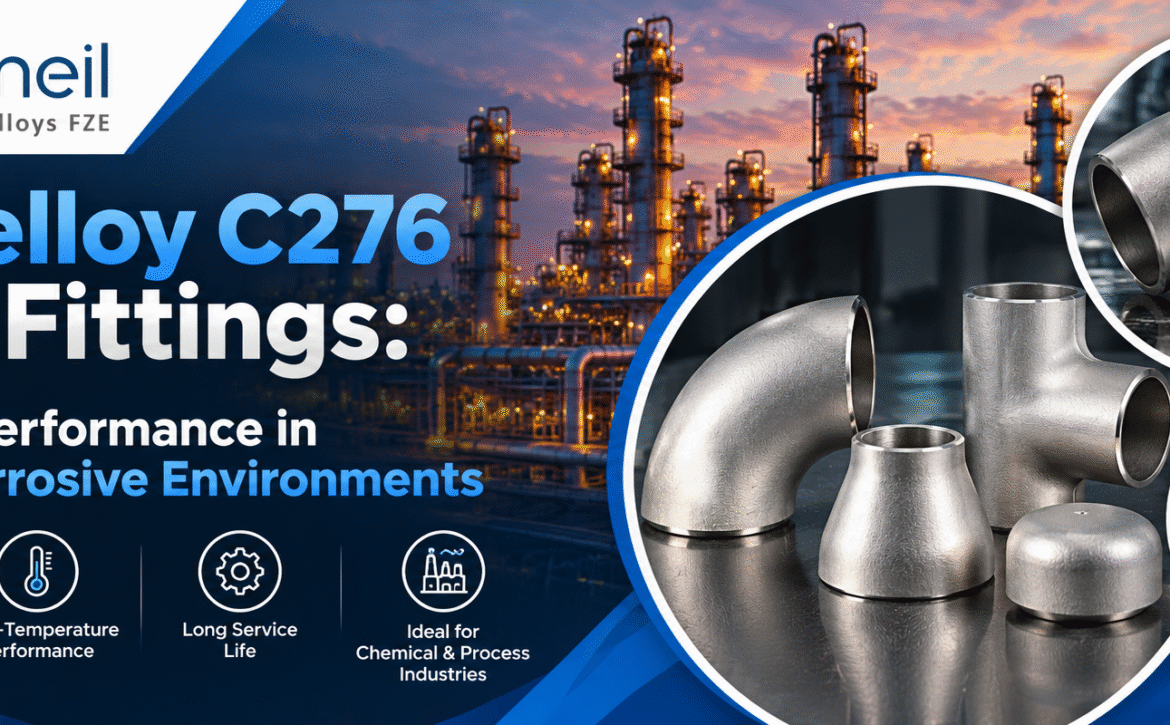
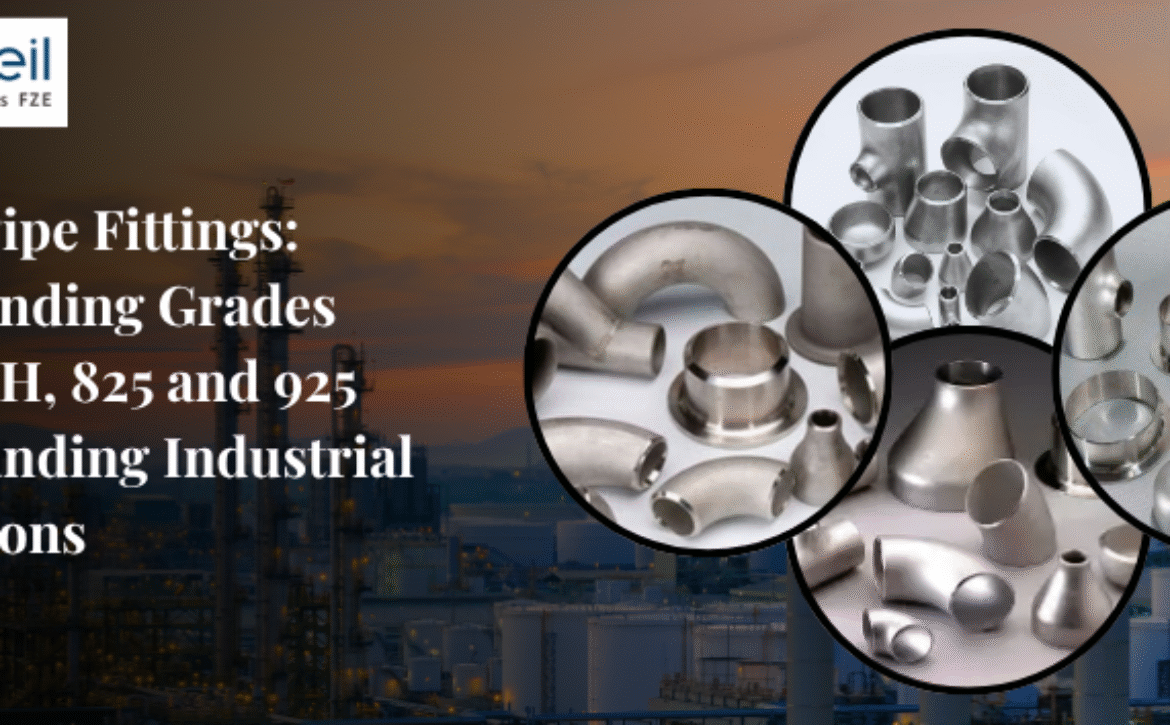
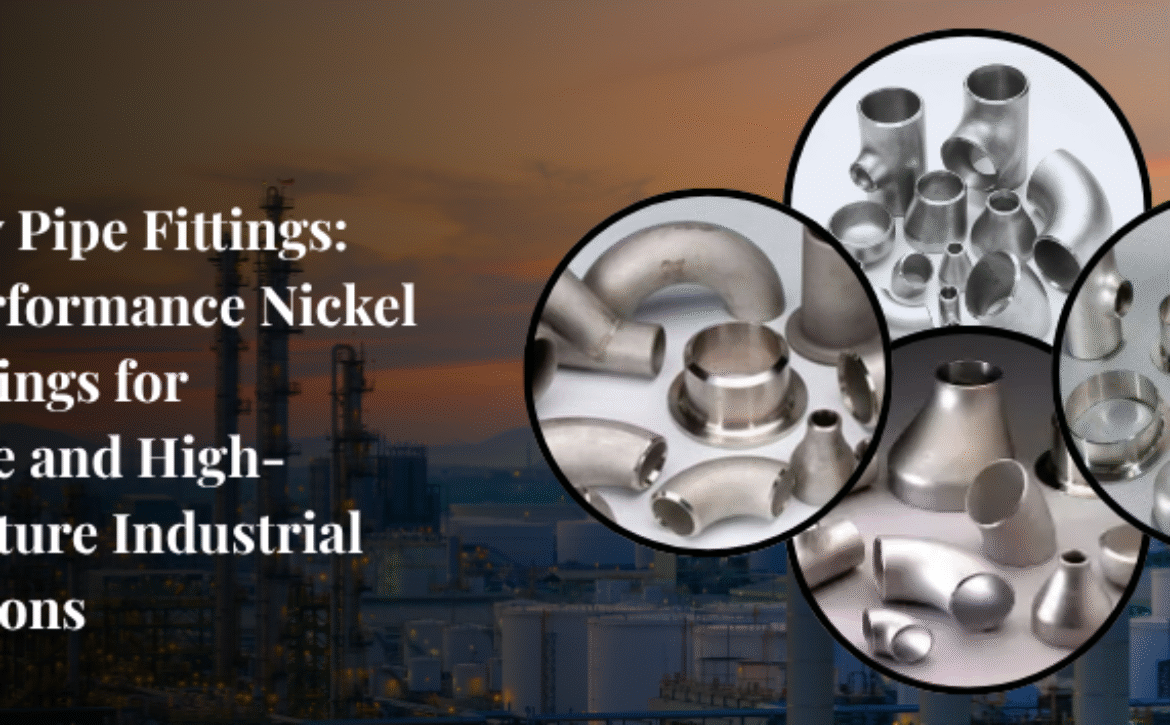
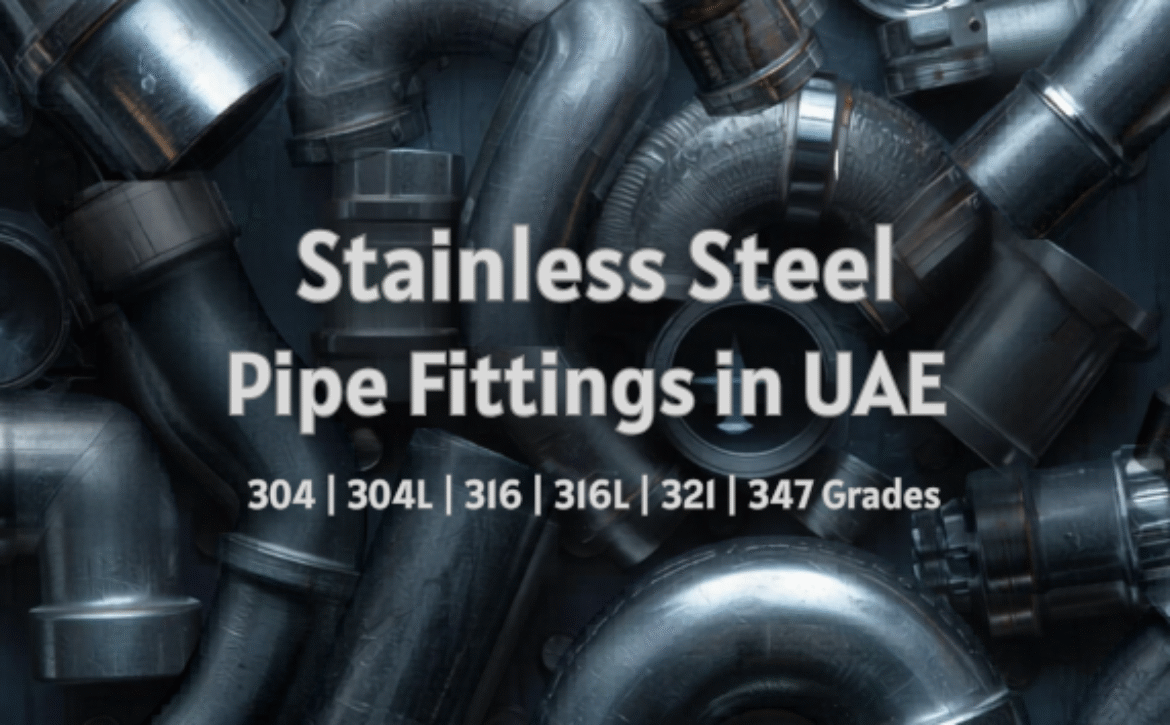
Different piping layouts require different fitting configurations. Stainless Steel 316L Pipe Fittings are available in several types, depending on the connection method, dimensions, and applicable manufacturing standards.
316L Stainless Steel Elbows: Used to change the direction of flow, commonly at 45-degree or 90-degree angles.
316L Stainless Steel Tees: Used to create a branch connection from a main pipeline.
316L Stainless Steel Reducers: Used to connect pipes of different diameters and support the required piping layout.
316L Stainless Steel Caps: Used to close the end of a compatible pipe connection.
316L Stainless Steel Crosses: Used where a four-way branch connection is required and permitted by the system design.
316L Stainless Steel Butt-Weld Fittings: Designed for welding directly to compatible pipes, providing a permanent connection when installed using an appropriate welding procedure.
Availability, dimensions, pressure ratings, and manufacturing requirements vary by fitting type and specification. Buyers should confirm these details before placing an order.
Applications of Stainless Steel 316L Pipe Fittings
Chemical and Petrochemical Industries
Chemical processing facilities often require materials capable of handling corrosive process media. Grade 316L is used in suitable piping applications where its corrosion resistance aligns with the chemical composition, concentration, and operating temperature of the process.
Pharmaceutical and Biotechnology Facilities
316L is commonly selected for process equipment and piping where corrosion resistance and cleanability are essential. Applications requiring sanitary compliance may also demand specific surface finishes, controlled fabrication, and documented material traceability.
Food and Beverage Processing
In food and beverage facilities, stainless steel fittings can support hygienic process layouts and routine cleaning. The appropriate grade and fitting design should be selected according to the product, cleaning chemicals, temperature, and relevant hygiene standards.
Marine and Coastal Installations
The molybdenum content of 316L can provide improved resistance to certain chloride-related corrosion mechanisms compared with 304 stainless steel. Nevertheless, continuous seawater exposure and severe chloride conditions require careful engineering assessment, as 316L is not universally suitable for such environments.
Water Treatment and Industrial Utilities
Stainless Steel 316L fittings are used in selected water-treatment, utility, and industrial piping systems where the fluid chemistry and operating conditions are compatible with the material.
Stainless Steel 316L vs 316: What Is the Difference?
Both grades belong to the same general family of molybdenum-containing austenitic stainless steels. The principal difference is their carbon limit. Standard grade 316 typically permits a maximum carbon content of 0.08%, while 316L has a maximum of 0.03%.
The lower carbon content of 316L reduces the risk of sensitization during welding and can be beneficial in welded fabrication. Both grades provide useful corrosion resistance, but neither should be selected without evaluating the actual operating environment.
For welded piping systems, 316L is often preferred when its specified mechanical properties and service characteristics meet the design requirements. The final choice should follow the applicable material standard, engineering specification, and operating conditions.
What to Consider Before Buying 316L Pipe Fittings
Smart material selection begins with a clear understanding of project requirements. Before purchasing Stainless Steel 316L Pipe Fittings, buyers should consider the following factors:
Material specification: Confirm the required grade and applicable ASTM, ASME, or other project standards.
Fitting dimensions: Specify nominal pipe size, wall thickness or schedule where applicable, fitting type, and connection method.
Operating conditions: Review design pressure, temperature, process fluid, chloride concentration, and potential exposure to corrosive chemicals.
Manufacturing and inspection: Confirm dimensional tolerances, required testing, material certification, and traceability requirements.
Welding and fabrication: Ensure that the selected fitting is compatible with the piping material and that fabrication follows approved procedures.
Documentation: Check that Material Test Certificates and inspection records meet the purchase order and project requirements.
Evaluating these factors helps reduce the risk of material mismatch and supports more dependable piping system performance.
Why Choose Mcneil Alloys for Stainless Steel 316L Pipe Fittings?
At Mcneil Alloys, we recognize the importance of matching industrial materials to real project requirements. Choosing pipe fittings involves understanding the required grade, dimensions, connection type, applicable standards, and intended service environment.
We support enquiries for stainless steel piping products for industrial applications, including chemical processing, oil and gas, water treatment, and other process industries. Our team can review your requirements and help identify suitable supply options based on your specifications, quantity, and documentation needs.
Whether you are sourcing fittings for a new installation, plant expansion, maintenance shutdown, or replacement project, clear technical specifications help make procurement more efficient. Product availability, certification, inspection requirements, and delivery schedules should be confirmed during the enquiry process.
Conclusion
Stainless Steel 316L Pipe Fittings offer a practical combination of low carbon content, useful corrosion resistance, and good weldability for many industrial piping applications. Their properties make them particularly relevant to welded systems and installations where material reliability and fabrication requirements are important.
However, the right material choice depends on the process environment, operating temperature, pressure, fitting design, and applicable engineering standards. By evaluating these factors before procurement, businesses can make more informed decisions and avoid unnecessary maintenance or material replacement.
At Mcneil Alloys, we are ready to assist with your Stainless Steel 316L Pipe Fittings enquiries and help you identify supply options aligned with your project specifications.
Make a smarter material choice with Stainless Steel 316L Pipe Fittings.
Looking for corrosion-resistant pipe fittings for your next industrial project? Contact Mcneil Alloys with your technical specifications and quantity requirements. Our team can help you review suitable supply options for your piping application.
Enquire with Mcneil Alloys today for Stainless Steel 316L Pipe Fittings.
Frequently Asked Questions
1. What are Stainless Steel 316L Pipe Fittings?
Stainless Steel 316L Pipe Fittings are low-carbon stainless steel components used to connect, redirect, branch, or change the diameter of piping systems. They are commonly selected for applications requiring corrosion resistance and good weldability.
2. What does the “L” mean in Stainless Steel 316L?
The “L” stands for low carbon. Grade 316L has a maximum carbon content of 0.03%, which helps reduce sensitization during welding and the associated risk of intergranular corrosion.
3. Is 316L better than 304 stainless steel?
316L generally offers better resistance to pitting and crevice corrosion in many chloride-containing environments because it contains molybdenum. However, the best grade depends on the process fluid, temperature, exposure conditions, and project requirements.
4. What is the difference between 316 and 316L pipe fittings?
The primary difference is the maximum carbon content. Grade 316L has a lower carbon limit, making it particularly useful for many welded applications where resistance to sensitization is important. The appropriate grade depends on the application and governing specifications.
5. Which industries use 316L stainless steel fittings?
Common applications include chemical processing, petrochemical plants, pharmaceutical manufacturing, food and beverage processing, water treatment, and selected marine installations.
6. Are Stainless Steel 316L Pipe Fittings suitable for welding?
Yes. Their low carbon content makes them suitable for many welded piping systems. Welding procedures, filler materials, heat input, and any required post-weld treatment should be determined according to the material specification and applicable code.
7. Are 316L fittings suitable for seawater applications?
Not universally. Although 316L offers better resistance to some chloride-related corrosion mechanisms than 304, seawater can cause pitting, crevice corrosion, and other forms of localized attack. More resistant materials may be required depending on exposure and design conditions.
8. What types of 316L pipe fittings are available?
Common types include elbows, tees, reducers, caps, and other fittings manufactured for specific connection methods. Available sizes and configurations depend on the product range and applicable standards.
9. What certificates should I request when buying 316L fittings?
Depending on project requirements, buyers may request Material Test Certificates, chemical composition and mechanical test results, heat-number traceability, dimensional inspection reports, and other specified quality documentation.
10. How can I order Stainless Steel 316L Pipe Fittings from Mcneil Alloys?
Share your required fitting type, material grade, size, schedule or wall thickness, quantity, applicable standard, delivery location, and certification requirements with Mcneil Alloys to discuss suitable supply options.